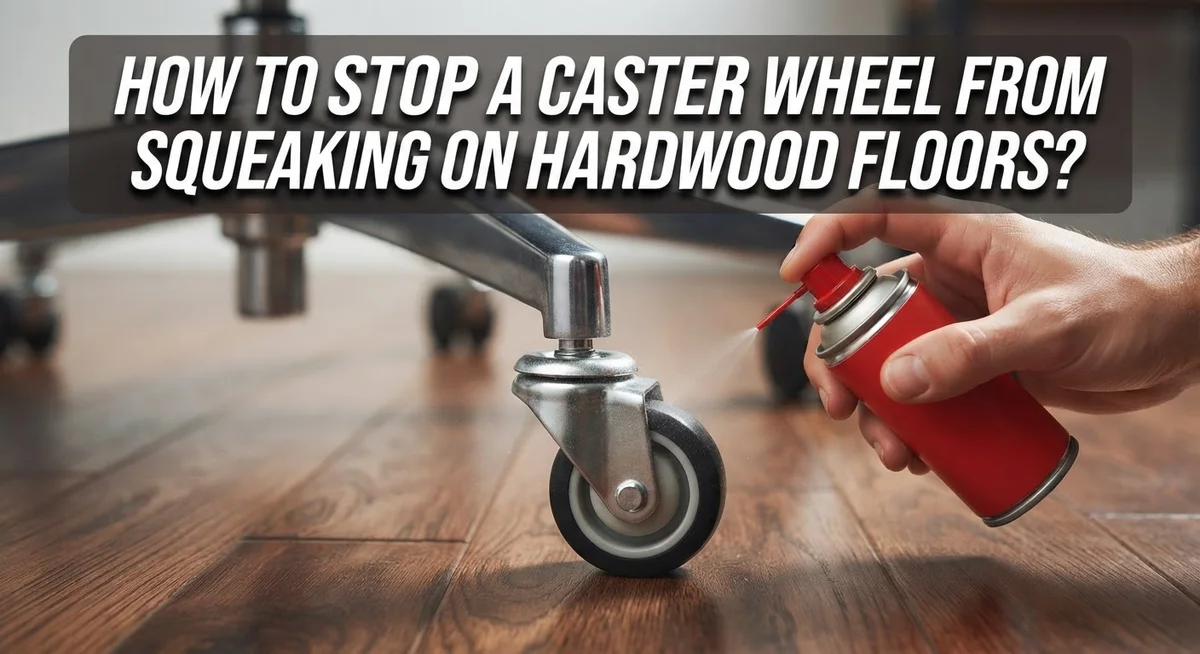
How to Stop a Caster Wheel From Squeaking on Hardwood Floors?
That annoying squeak from your office chair or cart caster wheel can drive anyone crazy. It happens every time you move across your hardwood floor. The sound comes from metal on metal friction between the wheel and its axle.
This friction creates vibration. That vibration turns into the squeaking noise you hear. Over time, this same friction can also damage your beautiful hardwood floors.
The good news is that you can fix this problem quickly. You don’t need to call a professional or replace your furniture. Simple household fixes can silence those noisy wheels for good.
In this guide, you will learn why caster wheels squeak in the first place. We will cover easy solutions like felt pads and rubber sleeves. You will also discover how anti vibration washers stop metal contact completely.
In a Nutshell
- Metal on metal contact causes most squeaking. Your caster wheel rubs against its axle or frame without enough cushion. This friction creates that annoying sound.
- Felt pads work wonders for quiet rolling. Stick them directly onto your caster wheels. They absorb friction and stop noise instantly.
- Rubber sleeves slide onto wheel axles easily. They create a soft barrier between metal parts. Your wheels will roll smoother and quieter.
- Anti vibration washers solve deeper mechanical issues. Place them between moving metal parts. They eliminate the harsh contact causing squeaks.
- Hard plastic or metal wheels damage hardwood floors over time. They also squeak more than soft material casters. Switching wheel types helps both problems at once.
- Regular maintenance keeps squeaks away long term. Clean your caster wheels often and check for wear. This simple habit protects your floors and your peace of mind.
Why Caster Wheels Squeak on Hardwood Floors
Caster wheels squeak on hardwood floors because of friction between the wheel material and the hard surface. When metal or hard plastic wheels roll across wood, they create vibrations that produce that annoying sound.
The primary cause is metal on metal contact. Most caster wheels have metal axles, bearings, and fasteners. When these metal parts rub against each other or against the hard floor, friction builds up and creates squeaking. This happens especially when the wheel moves at different angles or when weight shifts on the furniture.
Hard plastic wheels also contribute to the problem. Plastic wheels are rigid and don’t absorb shock well. When they roll on hardwood, they create constant vibration. This vibration travels through the wheel assembly and produces the squeaking noise you hear.
Moisture and dust play a role too. Hardwood floors can expand and contract slightly with humidity changes. This movement creates inconsistent contact between the wheel and floor. Dust particles trapped between the wheel and floor increase friction even more.
Weight distribution matters as well. When furniture sits unevenly on casters, some wheels bear more pressure than others. This uneven pressure causes certain wheels to squeak while others stay quiet. The heavier the furniture, the more friction develops.
Lack of protective barriers is another key factor. Without felt pads, rubber sleeves, or floor protection mats, the wheel material makes direct contact with your hardwood. This direct contact maximizes friction and vibration.
The age of the caster wheel affects squeaking too. Older wheels have worn bearings and loose components. These worn parts move more freely, creating more vibration and noise. New wheels with tight, smooth bearings squeak less.
Understanding these causes helps you choose the right solution. Different causes need different fixes. Metal on metal contact needs one approach, while hard wheel materials need another. Knowing what causes your specific squeak makes fixing it much easier and faster.
Tools and Materials You’ll Need
Before you start fixing that squeaky wheel, gather the right supplies. You don’t need much, but having everything ready makes the job faster and easier.
Lubricants and cleaners are essential first steps. You’ll want a general purpose lubricant to reduce friction between moving parts. A degreaser helps remove built up dust and grime that contribute to squeaking. Both products come in spray bottles for easy application.
Protective pads and covers prevent future damage. Felt pads stick directly to the bottom of caster wheels. Rubber sleeves slide over wheel axles to cushion metal parts. Anti vibration washers fit between the wheel and its mounting bracket.
Floor protection materials keep your hardwood safe. Caster cups sit under furniture legs and distribute weight evenly. Rubber floor mats create a barrier between wheels and wood. These items prevent marks and gouges while reducing noise.
Basic tools make installation simple. You’ll need a small wrench or socket set to remove wheels if necessary. A screwdriver helps with mounting brackets. A cloth or soft brush cleans wheel surfaces before applying pads.
Measuring supplies ensure proper fit. A ruler or tape measure helps you select the correct pad or sleeve size. Different caster wheels have varying diameters and mounting styles.
Optional items improve results. Rubber shims can be placed under caster cups for extra cushioning. A vacuum cleaner removes debris from wheel grooves before treatment.
Start by inspecting your current setup. Check wheel size, material type, and mounting style. This information guides your material selection. Having the right supplies on hand prevents frustration and delays. Most items cost very little and last a long time. Many homeowners keep these materials available for future furniture adjustments and maintenance tasks.
Step-by-Step: Fixing a Squeaky Caster Wheel
Start by cleaning the wheel thoroughly. Dust and debris trap moisture, which causes squeaking. Use a dry cloth to wipe the wheel surface and axle area. Remove any buildup you find. This simple step often reduces noise immediately.
Next, inspect the wheel for damage. Look for cracks, flat spots, or worn areas. Damaged wheels need replacement rather than repair. Check the axle bolt to see if it’s loose. Tighten it gently with the appropriate tool. A loose connection amplifies vibration and noise.
Apply lubricant to the axle and wheel bearing. Use a light machine oil or silicone based lubricant. Spin the wheel several times to distribute the oil evenly. Wipe away excess lubricant with a clean cloth. Too much oil attracts dirt and creates new problems.
Now add felt pads to the wheel bottom. These soft pads reduce friction between the hard wheel and your hardwood floor. Clean the wheel surface first so the pads stick properly. Press the felt pad firmly in place. Allow the adhesive to set before rolling the furniture.
For wheels with metal axles, slide rubber sleeves onto the axle shaft. These sleeves cushion the connection and eliminate metal on metal noise. They’re simple to install and very effective.
Install anti vibration washers between the wheel and the axle. These washers absorb vibration that causes squeaking. They fit easily during wheel installation or replacement.
Test your work by rolling the furniture slowly. Listen for any remaining noise. If squeaking continues, you may need to replace the entire caster wheel. Some wheels are worn beyond repair, and replacement becomes the best option.
Finally, place a protective mat under the furniture leg. This distributes weight evenly and keeps wheels from sinking into your floor. It also provides an extra noise barrier between the wheel and hardwood surface.
Choosing the Right Caster Materials for Hardwood
When you move furniture across hardwood floors, the wheel material makes a huge difference. Soft materials protect your floors and reduce noise.
Rubber wheels are an excellent choice for hardwood. They grip the floor gently and create less friction than hard alternatives. Rubber also absorbs vibration, which stops squeaking before it starts. The soft surface won’t leave marks or gouges on your wood.
Polyurethane wheels work well too. They’re slightly harder than rubber but still soft enough to be floor friendly. Polyurethane rolls smoothly and lasts a long time. Many people prefer this option because it balances durability with floor protection.
Felt or soft nylon wheels are ideal if you want maximum quiet operation. These materials have natural dampening properties. They reduce vibration significantly and create almost silent movement. The trade off is that they wear faster than rubber or polyurethane.
Avoid hard plastic or metal wheels completely. Hard plastic cracks easily and can scratch your hardwood badly. Metal wheels cause the squeaking you’re trying to eliminate. They also dent and damage floor surfaces over time.
Consider the wheel diameter too. Larger wheels distribute weight more evenly. This reduces pressure points on your floor and creates smoother rolling action. Smaller wheels concentrate weight in tiny areas, which increases friction.
The axle material matters as well. Steel axles are strong but can vibrate against hard wheels. Look for wheels with sealed bearings. Sealed bearings keep dust and moisture out, which prevents rust and squeaking.
Weight capacity is important for your safety. Choose wheels rated for your furniture weight plus extra load. Overloaded wheels wear faster and squeak more often.
Match your wheel choice to your floor type. Hardwood needs soft, gentle wheels. The right material combination stops squeaking, protects your investment, and keeps furniture rolling smoothly for years.
Preventing Future Squeaks and Floor Damage
Preventing squeaks from returning starts with smart choices about wheel materials and floor protection. Soft material casters work best on hardwood because they create less friction than hard plastic or metal wheels. When you replace old wheels, choose rubber, polyurethane, or felt options instead.
Protective barriers are your strongest defense against both squeaks and floor damage. Caster cups sit directly under furniture legs and distribute weight evenly across the floor surface. These cups catch debris and prevent wheels from marking your wood. Floor protection mats work similarly but cover a larger area under the entire piece of furniture.
Regular maintenance keeps squeaks from coming back. Check your caster wheels every few months for dirt, dust, and debris buildup. A quick cleaning with a dry cloth removes particles that cause friction and noise. If you notice moisture around the wheels, dry the area immediately since dampness can trigger squeaking again.
Anti vibration washers are worth installing during your initial fix. These small components sit between the wheel and axle to stop metal on metal contact. They’re inexpensive and prevent the vibration that creates that annoying squeak sound.
Consider your furniture movement patterns too. If you regularly move chairs or tables across your hardwood, soft wheels with felt pads are essential. For pieces that stay mostly stationary, protective mats alone may be enough.
Inspect your hardwood floor regularly for marks or gouges. Early damage is easier to address than deep scratches. If you spot marks appearing, that’s a sign your current wheel setup needs adjustment.
Finally, avoid moving furniture directly across hardwood without protection. Always use furniture sliders or place protective mats first. This simple habit prevents both squeaks and floor damage from starting in the first place.
Common Mistakes to Avoid
One of the biggest mistakes people make is ignoring the wheel material entirely. They assume all casters work the same on hardwood floors, but this is simply not true. Hard plastic and metal wheels create friction against wood surfaces. This friction produces squeaking and can leave marks or gouges over time.
Another common error is skipping protective barriers altogether. Many people place furniture with standard casters directly onto hardwood without any protection underneath. The wheels then vibrate against the hard floor surface, and metal axles contact metal wheel components. This metal-on-metal contact is a primary cause of squeaking.
People often make the mistake of applying the wrong type of lubricant. Using oil or grease on wheel bearings can attract dust and dirt. This buildup then causes more squeaking, not less. The lubricant should be appropriate for the specific wheel type you have.
Failing to inspect wheels for damage is another oversight. Cracked or worn wheels will squeak no matter what you do. You must check for damage before attempting any fixes. A damaged wheel often needs replacement rather than repair.
Many people also forget to use anti vibration washers during installation. These washers sit between the wheel and axle, reducing metal-on-metal contact. Without them, squeaking returns quickly even after other fixes are applied.
Finally, people often neglect regular maintenance after fixing the problem. Wheels need occasional cleaning to remove dust and debris. Felt pads wear down over time and may need replacement. Floor protection mats can shift out of position with regular movement.
The best approach is to avoid these mistakes from the start. Choose appropriate wheel materials, install protective barriers, use the right lubricants, inspect for damage, add anti vibration components, and maintain your setup regularly. These steps prevent squeaking and protect your hardwood floors.
Troubleshooting Persistent Squeaking Issues
When squeaking persists despite your initial efforts, you need a systematic approach to identify the root cause. Start by checking if the wheels themselves are damaged or cracked. Worn wheels create constant noise regardless of lubrication or pads. Roll the furniture slowly and listen carefully to pinpoint which wheel is causing the problem.
Next, inspect the axle connection point where the wheel attaches to the furniture leg. Metal on metal contact here is a common culprit. Even small gaps between components create vibration that produces squeaking. Tighten any loose bolts or fasteners you find. Sometimes a squeaking wheel simply needs better connection to stop moving independently.
Examine your floor protection setup underneath the furniture. If your protective mat has shifted or compressed unevenly, certain wheels may contact the hardwood directly. Reposition or replace the mat to ensure all wheels sit on the protective surface equally.
Test different lubricant approaches if squeaking continues. Some floor types respond better to specific products than others. Apply lubricant sparingly to avoid creating a slippery surface that damages your hardwood.
Check the floor itself for debris or buildup. Dust and dirt particles trapped between wheels and floor create friction sounds. Clean the wheels and floor area thoroughly with a soft cloth.
If squeaking returns after fixes, consider that wheel material incompatibility might be the issue. The wheels may simply be unsuitable for hardwood floors. In this case, upgrading to softer wheel materials becomes necessary.
Document which solutions worked best for your situation. This helps you prevent squeaking on other furniture pieces. Keep detailed notes about your wheel type, floor protection method, and maintenance schedule. Persistent squeaking usually indicates that multiple factors need addressing simultaneously rather than a single solution fixing everything.
Final Thoughts
Squeaky caster wheels don’t have to be a permanent problem. With the right fixes, you can enjoy quiet, smooth movement again.
Felt pads, rubber sleeves, and anti vibration washers all work well. They stop metal-on-metal contact and cut down on friction. Pick the solution that matches your furniture and floor type.
Remember that hardwood floors need extra care. Soft-material casters protect both your floor and your peace of mind. Hard plastic or metal wheels almost always cause damage over time.
Protective mats and caster cups add another layer of defense. They spread weight evenly and reduce pressure on any single point. This simple step prevents dents and scratches too.
Small efforts now save bigger headaches later. A quick fix today means fewer repairs down the road. Your floors and furniture will thank you.
Don’t forget that maintenance matters just as much as the initial fix. Check your wheels often for wear or damage. Replace parts before they cause new squeaks.
Every home is different, so test a few methods to see what works best for you. Some furniture pieces respond better to felt pads. Others need rubber sleeves or washers instead.
Stay patient during the process. Squeaks don’t always disappear overnight, but consistent care makes a real difference.
In the end, stopping squeaky casters comes down to three things: choosing the right materials, protecting your floor, and staying consistent with upkeep. These simple habits keep your home quiet and your hardwood floors looking great.
With a little attention, you can move furniture with ease and confidence. No more annoying squeaks, no more floor damage. Just smooth, quiet movement every time you need it.
Frequently Asked Questions
Why do caster wheels squeak on hardwood floors in the first place?
Squeaking happens when metal parts rub against each other and vibrate. Your wheel axle connects to the furniture frame with metal hardware. When the wheel rolls on hardwood, that metal touches metal, creating friction and noise. Hard plastic or metal wheel materials make this worse because they don’t absorb vibration like softer materials do.
Can squeaky casters actually damage my hardwood floors?
Yes, they can. Hard plastic and metal wheels leave marks and gouges on wood surfaces over time. Each roll creates tiny scratches that add up. The pressure from furniture weight concentrates on a small wheel contact point, which damages the finish and wood underneath.
What’s the fastest way to stop the squeaking?
Felt pads work quickly. You attach them to the bottom of each wheel. Felt absorbs vibration and reduces metal-on-metal contact instantly. Another fast option is adding anti-vibration washers where the wheel connects to your furniture. Both methods take just minutes to install.
Which wheel materials work best for hardwood?
Soft-material casters perform better than hard ones. Look for wheels made with rubber components or soft plastic. These materials grip the floor gently and don’t create the harsh vibrations that hard wheels do. Pair any wheel type with protective barriers like felt pads or rubber sleeves for extra protection.
Do I need to replace my casters or just fix the noise?
You don’t always need replacement. Most squeaking stops with simple additions like felt pads or rubber sleeves on existing wheels. Only replace casters if the wheels are cracked, worn flat, or damaged beyond repair.

Hi, I’m Clara! I started SitSmartGuide to help people find chairs that truly support their comfort and health — without the guesswork. After years of dealing with back pain from bad seating, I became obsessed with testing, researching, and reviewing chairs so you don’t have to learn the hard way.