How to Fix a Grinding Sound in an Ergonomic Chair Recliner?
That grinding sound in your ergonomic chair can feel alarming. You lean back and hear a harsh noise instead of smooth movement. It makes you wonder if your chair is falling apart.
The good news is that grinding sounds rarely mean disaster. In most cases, worn components or friction between moving parts cause the problem. Debris buildup and loose screws often play a role too.
Many people assume the tilt tension spring is broken. This is actually a common mistake. The real cause usually lies elsewhere in the chair mechanism.
If you have a power recliner, worn lift motors or stripped actuator gears might be behind the noise. These parts wear down with regular use over time.
This article walks you through simple steps to find and fix the source of the sound. You will learn how to inspect your chair, tighten loose parts, and clean out debris.
In a Nutshell
- Find the noise first. Sit in the chair and lean back slowly. Listen closely to locate where the sound comes from before you touch anything.
- Tighten loose screws. Loose bolts and screws often cause rattling and grinding. Check every joint and tighten them with the right tool.
- Clean out debris. Dust, hair, and small particles can build up in joints. Wipe these areas clean before you lubricate anything.
- Lubricate moving parts. A suitable lubricant reduces friction between metal parts. This step alone fixes many grinding issues.
- Inspect power recliner motors. Worn lift motors or stripped actuator gears need special attention. These parts may need replacement instead of lubrication.
- Act early. Squeaking and creaking are warning signs. Fix small noises now so they do not turn into bigger problems later.
What Causes Grinding Sounds in Recliner Chairs
Grinding sounds in your ergonomic recliner chair come from friction between moving parts. The main culprits are worn components, not the tilt tension spring as many people believe.
Worn mechanical parts create most grinding noises. Metal pieces rub against each other when components lose their smooth surfaces over time. This friction produces that gritty, grinding sound you hear when you recline. The noise gets worse as the wear increases, so addressing it early matters.
In power recliners, the lift motor and actuator gears are common problem areas. When the actuator gears strip or wear down, they cannot mesh smoothly together. The motor may also wear out from repeated use, causing grinding as it struggles to move. These mechanical failures create distinct grinding sounds that differ from simple squeaking.
Debris buildup is another frequent cause. Dust, hair, and small particles collect in the joints where your chair moves. These materials get trapped between metal surfaces and create friction. As you recline and extend, the debris scratches against the moving parts, producing grinding sounds.
Loose hardware contributes to the problem too. Bolts and screws that have come loose vibrate and rattle as the chair moves. This creates grinding or rattling noises that seem worse than they actually are. Tightening these fasteners often solves the issue immediately.
Lubrication problems also lead to grinding. When moving joints dry out, metal rubs directly against metal. This creates friction and grinding sounds. A suitable lubricant between these surfaces reduces friction and quiets the noise.
Understanding these causes helps you identify your specific problem. Each cause has a different solution, so pinpointing the source matters. Start by listening carefully to where the sound comes from and when it happens during the reclining motion.
Pinpointing the Source of the Noise
Finding where the grinding sound comes from is your first step. Sit in your chair and lean back slowly while listening carefully. Pay attention to which direction you move when the noise gets louder.
The sound might come from the backrest area, the seat base, or the reclining mechanism. Move your body weight side to side and forward and backward. Notice if the grinding happens during specific movements or all the time.
Listen for the exact location. Some grinding comes from the left side, others from the right. The noise could also come from underneath the seat or near the armrests. Close your eyes and focus on the sound direction.
Check if the noise happens when you recline, when you sit upright, or during both actions. Does the grinding occur when you first sit down or only after you’ve been seated for a while? These details help you narrow down the problem.
For power recliners, pay special attention to the motor area. This is usually located beneath the seat or at the base of the backrest. The sound might be coming from the lift mechanism or the actuator gears.
Run your hands along the frame while the chair is empty. Feel for loose parts or gaps between components. Sometimes you can feel vibration at the problem spot even before you sit down.
Take notes about when the sound happens. Does it occur at certain angles? Does it get worse over time during one sitting session? This information helps you identify whether the issue is a loose screw, worn parts, or something else entirely.
Once you pinpoint the location, you can move forward with targeted fixes. Knowing exactly where the grinding comes from saves time and prevents unnecessary repairs to other parts.
Step-by-Step Fix: Tightening, Cleaning, and Lubricating
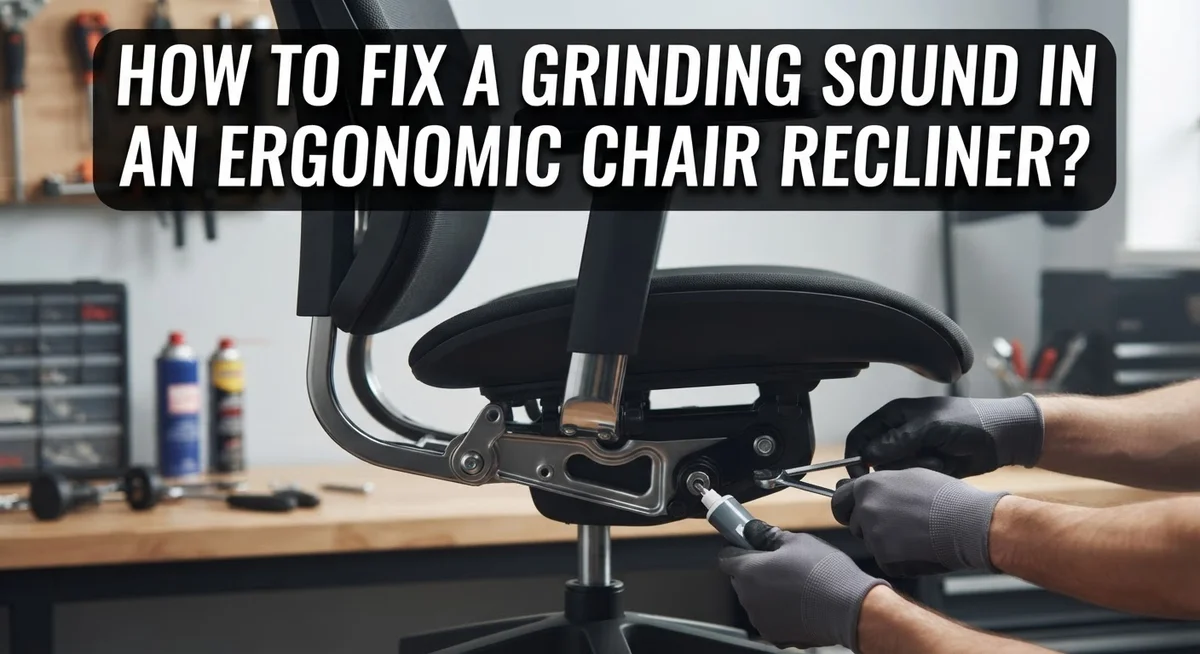
Start by gathering the right tools. You will need a screwdriver set, an adjustable wrench, and a clean cloth. A vacuum with a hose attachment helps remove debris from hard to reach areas. Have your lubricant ready before you begin.
Tighten all visible screws first. Work systematically through the entire chair frame. Check the backrest attachment points, seat base bolts, and armrest connections. Loose hardware often creates grinding sounds as components shift during movement. Turn each screw clockwise until snug, but do not over tighten as this can strip threads or crack plastic components.
Clean debris from every joint next. Use your vacuum to remove dust, hair, and particles from crevices where the reclining mechanism operates. Pay special attention to areas where metal parts meet. A damp cloth can wipe down surfaces, but let everything dry completely before moving forward. Debris buildup reduces smooth movement and amplifies friction sounds.
Apply lubricant to moving parts carefully. Focus on pivot points, hinges, and the reclining mechanism. A thin coat reduces metal to metal contact. Wipe away excess lubricant with a clean cloth to prevent dust attraction. Let the lubricant settle for a few minutes before testing the chair.
Test the chair after each step. Sit down and recline slowly to check if grinding persists. This helps you identify which fix worked. If grinding continues after tightening, cleaning, and lubricating, the issue likely involves deeper mechanical failure.
For power recliners, inspect the motor area closely. Look for visible damage or unusual wear patterns around the lift motor. Stripped gears or worn motor components may require professional service rather than simple maintenance fixes.
Special Considerations for Power Recliners with Motors and Actuators
Power recliners introduce extra complexity because they rely on motors and actuators to move. These electrical components wear differently than manual mechanisms. The grinding sound you hear often points to these motorized parts rather than the basic frame.
The lift motor is your first suspect. This motor raises and lowers the footrest and seat. Over time, internal gears wear down. When gears lose their smooth edges, they create grinding noises. You’ll typically hear this sound when you activate the power function, not during manual adjustment.
Stripped actuator gears are another common issue in power recliners. Actuators convert the motor’s spinning motion into pushing and pulling movements. When teeth on these gears wear away, metal scrapes against metal. This creates that distinctive grinding sound you want to eliminate.
Check your motor connections next. Loose wiring or corroded terminals can cause the motor to strain. A struggling motor works harder and grinds more. Tighten any visible connections carefully. Don’t force anything, as you might damage electrical components.
Lubrication matters differently for power recliners. Never apply liquid lubricant near electrical connections or motor components. Moisture and electricity don’t mix. Instead, focus lubricant on the actuator linkages and moving joints away from the motor. Use dry lubricants specifically designed for electrical equipment when working near the motor area.
Listen closely to identify whether grinding comes from the motor itself or from the mechanical linkages. Motor grinding sounds like a high pitched whirring with grit. Linkage grinding sounds lower and more rhythmic.
If grinding happens only during power operation, the motor or actuators need attention. If grinding occurs during both powered and manual movement, the problem lies in the mechanical frame itself. This distinction helps you determine whether you need professional electrical service or basic mechanical repair.
Common Mistakes That Delay or Worsen the Problem
Ignoring early warning signs is one of the biggest mistakes people make. A squeaking or creaking sound might seem minor, but it signals that friction is building inside your chair. Many users wait until the grinding becomes loud and constant before taking action. By then, the damage has spread to other components, making repairs much harder.
Assuming the tilt tension spring is the problem wastes time and money. The grinding sound almost never comes from the main spring. People often focus their repair efforts on the wrong area. Instead, you need to identify exactly where the noise originates. Listen carefully and test the chair in different positions.
Neglecting debris buildup is another critical error. Dust, hair, and particles accumulate in joints and pivot points over months or years. This buildup increases friction between moving parts. Many people skip the cleaning step entirely and jump straight to lubrication. Cleaning must come first, or lubricant simply coats dirt and makes things worse.
Delaying repairs causes the grinding to worsen progressively. The friction that creates grinding noise gradually wears down components further. What starts as occasional grinding becomes constant noise. Eventually, worn parts stop functioning properly. Early intervention keeps repair costs low and prevents total chair failure.
Over lubricating without cleaning creates a sticky mess. Too much lubricant combined with debris forms a gritty paste inside joints. This actually increases grinding instead of reducing it. Apply lubricant sparingly after you’ve cleaned thoroughly.
For power recliners, overlooking motor connections is common. Loose electrical connections can cause grinding sounds from the actuator area. Check all connections before assuming internal motor damage exists.
Rushing through the tightening process leaves loose screws behind. Work systematically through every screw on the frame. Loose fasteners allow components to shift and rub together, creating grinding sounds. Take your time and tighten everything properly.
Preventive Maintenance to Avoid Future Grinding
Regular maintenance stops grinding sounds before they start. You prevent problems by caring for your chair consistently throughout the year.
Clean your chair weekly to remove dust and debris. Use a vacuum with a brush attachment on all joints, crevices, and moving parts. Dust buildup creates friction and speeds up wear. Pay special attention to the reclining mechanism where particles accumulate easily.
Tighten screws monthly as part of your routine. Vibration from normal use loosens fasteners over time. Walk through the entire frame with your tools and check every visible screw. Loose connections create gaps where parts rub together and cause grinding.
Lubricate moving parts every three months or as needed. Apply lubricant sparingly to pivot points, hinges, and the reclining mechanism. Proper lubrication reduces friction between components. Use products designed for furniture joints to avoid attracting dirt.
For power recliners, inspect motor connections quarterly. Loose wires and corroded terminals create electrical problems that strain the motor. Clean any corrosion you find and ensure connections sit firmly in place.
Listen to your chair actively. Early squeaking or creaking signals that maintenance is needed soon. Address these sounds immediately before they develop into grinding. Small problems become big ones when ignored.
Keep your chair in a stable environment. Humidity and temperature changes stress mechanical components and cause metal parts to expand and contract. Consistent conditions reduce strain on joints and fasteners.
Document your maintenance schedule. Write down when you clean, tighten, and lubricate. This record helps you stay consistent and spot patterns in when problems occur. Consistency is your best defense against grinding sounds returning.
Prevention requires less effort and money than fixing damage. Your chair will operate smoothly for years when you maintain it regularly.
When to Repair vs When to Replace Parts
Deciding whether to repair or replace parts depends on the type of damage you find. Minor issues like friction between components usually respond well to cleaning and lubrication. These repairs cost little time and money.
Stripped gears tell a different story. Once gears lose their teeth, lubrication won’t help. You need to replace the actuator or gear assembly entirely. Stripped gears create a grinding sound that gets worse each time you recline.
Worn lift motors in power recliners also require replacement. If the motor makes grinding sounds during operation and lubrication doesn’t help, the motor has reached the end of its life. Motors cannot be repaired effectively once internal components wear down.
Check the severity of wear before deciding. Light grinding that started recently suggests debris or loose parts. Heavy grinding that worsens daily indicates component failure. Progressive hardness when leaning forward points to worn internal parts that need replacement.
Cost matters in your decision. Replacing a single screw or applying lubricant costs nothing. Replacing an entire motor assembly represents a larger investment. However, delaying replacement of a failed motor risks further damage to surrounding components.
Age of the chair influences your choice too. Chairs over ten years old with multiple worn parts may not justify expensive repairs. Newer chairs with isolated problems deserve repair attempts.
Test repairs before committing to replacement. Tighten screws, clean debris, and lubricate joints. If grinding persists after these steps, replacement parts are necessary. Document what you tried so you understand what failed.
For power recliners, motor problems almost always require replacement rather than repair. The complexity of motor assemblies makes field repairs impractical. Manual reclining mechanisms often respond better to repair attempts with lubrication and tightening.
Trust your instincts about progressive damage. Grinding that worsens weekly signals component failure. Stable grinding that responds to lubrication suggests friction problems you can manage through maintenance.
Final Thoughts
Fixing a grinding sound in your ergonomic chair recliner does not need to feel overwhelming. Most causes come down to simple friction between moving parts. Once you find the source, the fix is often quick.
Start with the basics. Tighten loose screws first. Clean out any dust or debris hiding in joints and hinges.
Apply lubricant to areas where metal meets metal. This step alone solves many grinding problems in manual recliners.
For power recliners, pay close attention to the motor and actuator. Grinding during powered movement often points to mechanical wear, not just friction.
Avoid common traps. Do not blame the tilt tension spring right away. This mistake wastes time and delays the real fix.
Skipping regular cleaning lets debris build up again. This causes the grinding to return even after you fix it once.
Prevention makes the biggest difference. A weekly cleaning habit and a monthly screw check keep your chair quiet for longer. Quarterly lubrication and motor inspections help power recliners run smoothly too.
If you notice stripped gears or a worn lift motor, repair usually will not last. Replacement becomes the smarter choice in these cases.
Trust what you hear. A grinding sound that gets worse over time signals real damage. Waiting too long only makes the repair harder and more costly.
Small efforts now save you bigger headaches later. Clean, tighten, and lubricate your chair on a regular schedule.
This simple routine protects your comfort and your investment. Your ergonomic chair recliner can stay smooth and quiet for years with the right care.
Fixing the grinding sound is not just about silence. It is about keeping your chair safe, comfortable, and ready to support you every day.
Frequently Asked Questions
Why does my ergonomic chair make a grinding sound when I recline?
Grinding sounds come from friction between worn parts. Metal components rub together when they lose their smooth surfaces. Dust and debris trapped in joints make the noise worse. Power recliners often grind due to worn lift motors or stripped actuator gears.
The tilt tension spring is rarely the problem. Most people assume it causes grinding, but it actually does not. Focus on finding where the sound comes from first.
How do I find the source of the grinding noise?
Sit in your chair and move slowly through each reclining motion. Listen carefully to identify exactly where the sound originates. Does it come from the base, the armrests, or the backrest area?
Move your hands around the chair while someone else applies pressure. You may feel vibration at the grinding spot. Power recliners make noise from the motor area under the seat.
Can I fix grinding sounds myself or do I need professional help?
Many grinding issues you can fix at home. Tighten all visible screws with a screwdriver. Clean debris from joints using a dry cloth. Apply lubricant to areas where metal parts meet.
However, stripped gears and worn lift motors require replacement. These parts need professional attention or specialized tools. If the grinding worsens after basic fixes, stop and seek help.
How often should I maintain my recliner to prevent grinding?
Clean your chair weekly to remove dust buildup. Tighten screws monthly as part of routine care. Lubricate moving parts every three months or when you notice squeaking sounds.
For power recliners, inspect motor connections quarterly. Early maintenance stops small sounds from becoming major problems. A few minutes each month saves you significant repair costs later.

Hi, I’m Clara! I started SitSmartGuide to help people find chairs that truly support their comfort and health — without the guesswork. After years of dealing with back pain from bad seating, I became obsessed with testing, researching, and reviewing chairs so you don’t have to learn the hard way.