How to Fix an Ergonomic Chair Armrest That Won’t Pivot Smoothly?
Does your chair armrest feel stuck or wobbly when you try to pivot it? You are not alone.
Many office chair owners face this frustrating problem. The armrest either refuses to move or swings loosely with no control.
The good news? You can fix this in about 10 minutes with basic tools.
This guide walks you through the exact steps to repair a stuck or wobbly armrest pivot. You will learn how to loosen bolts correctly, align the bracket, and tighten everything back in place.
In a Nutshell
- Loosen the mounting bolts first. Give them a half turn to release tension without removing them fully.
- Check the bracket alignment. The armrest bracket needs to sit flush against the chair frame for smooth movement.
- Retighten the bolts securely, but avoid over tightening. Too much force causes the armrest to bind and stick again.
- The whole repair takes about 10 minutes with basic tools you already have at home.
- If width feels off too, slide the arm pads left or right on models that support this feature.
- Set your armrests at elbow height once fixed. This creates a comfortable extension for your desk and keyboard.
- Skip the common mistakes: don’t ignore loose parts during inspection, and always align brackets before you tighten anything.
Understanding Armrest Pivot Mechanisms
An armrest pivot mechanism is the joint that lets your armrest move side to side. This movement helps you adjust your seating position and reach different work zones comfortably.
Most ergonomic chairs have four main armrest adjustments. You can move them up and down for height. You can slide them closer or farther from your body for depth. You can shift them left and right for width. The pivot function is what makes all these movements possible.
The pivot works through a bracket system. This bracket connects your armrest to the chair frame using mounting bolts. When these bolts are loose, the armrest wobbles. When they are too tight, the bracket gets pinched and the armrest won’t move freely.
The bracket itself sits between the armrest and the chair frame. It needs to sit flush and straight against both surfaces. If the bracket tilts even slightly, friction builds up and blocks smooth movement.
Understanding this setup helps you spot problems fast. A wobbly armrest usually means loose bolts. A stuck armrest usually means over tightened bolts or a misaligned bracket. Sometimes both issues happen at once.
Your armrest also has arm pads that slide on the bracket. These pads can move left or right on compatible models. They adjust the width of your armrest position without affecting the pivot itself.
Knowing how these parts work together is key. The pivot mechanism depends on proper bolt tension and bracket alignment. Too little tension causes wobbling. Too much tension causes binding. The bracket must sit perfectly flat for smooth rotation.
When you understand these basics, fixing the problem becomes straightforward. You simply loosen, align, and retighten. This knowledge also helps you prevent future issues. Regular checks keep your armrest functioning smoothly for years.
Common Causes of a Stiff or Sticky Pivot
Armrest pivot problems usually come from one of three main causes. Loose mounting bolts are the most common culprit. Over time, vibration from daily use causes bolts to work themselves free, creating play in the joint.
Bracket misalignment is another frequent issue. If the bracket doesn’t sit flush against the chair frame, the armrest can’t pivot smoothly. This often happens after the chair gets moved or bumped during transport.
Dirt and dust buildup also affects pivot function. Debris accumulates in the joint where the bracket meets the frame. This grit creates friction and resistance when you try to move the armrest side to side.
Over tightening creates the opposite problem. When bolts get cranked down too hard, they compress the bracket unevenly. This binding prevents smooth movement in either direction.
Worn out arm pads can contribute too. If the pads are damaged or flattened, they don’t slide properly on the bracket. The armrest feels stuck even when bolts are tight.
Material fatigue is less common but still possible. Metal brackets can develop tiny cracks after years of use. These cracks cause binding and stiffness during pivoting motions.
Improper assembly during initial setup causes problems for some people. If the bracket wasn’t aligned correctly when first installed, the armrest never pivots smoothly from day one.
Most stiff pivots result from loose bolts or misaligned brackets. The good news? Both fixes take just minutes with basic tools. You don’t need special equipment or professional help to restore smooth pivoting action.
Start by checking bolt tightness. Then inspect bracket alignment. Most armrest issues disappear once you address these two factors. Understanding what causes the problem helps you prevent it from happening again in the future.
Tools You’ll Need Before You Start
Before you start fixing your armrest pivot, gather the right tools. You don’t need many items, and most people have these at home already.
You’ll want a Phillips head screwdriver first. This tool tightens and loosens the mounting bolts that hold your armrest bracket in place. Check that your screwdriver fits the bolt heads snugly without stripping them.
An Allen wrench set is essential too. Many ergonomic chairs use hexagonal bolts instead of Phillips head screws. Having multiple sizes ensures you find the right fit. A metric set works best for most office furniture.
Keep a flathead screwdriver nearby as a backup. You can use this to gently pry the armrest away from the frame if it’s stuck. This helps you see the bracket alignment clearly without forcing anything.
Grab a wrench or adjustable spanner for any larger bolts. Some armrest systems use nuts and bolts that need two tools to tighten properly. One tool holds the nut while the other turns the bolt.
A clean cloth or small brush removes dust and debris from the pivot joint. Dirt buildup restricts smooth movement. Wipe away any grime before you start tightening anything.
Consider having a flashlight or headlamp ready. The space under your armrest can be dark. Good lighting helps you see bolt positions and bracket alignment clearly.
Finally, keep a notepad and pen handy. Sketch which bolts you loosen and in what order. This simple map prevents confusion when you reassemble everything.
Start your repair with everything organized nearby. This approach saves time and prevents frustration. You’ll complete the fix in about 10 minutes once you have all your tools ready. Working methodically with the right equipment makes the entire process smooth and successful.
Step-by-Step: Fixing the Pivot Function
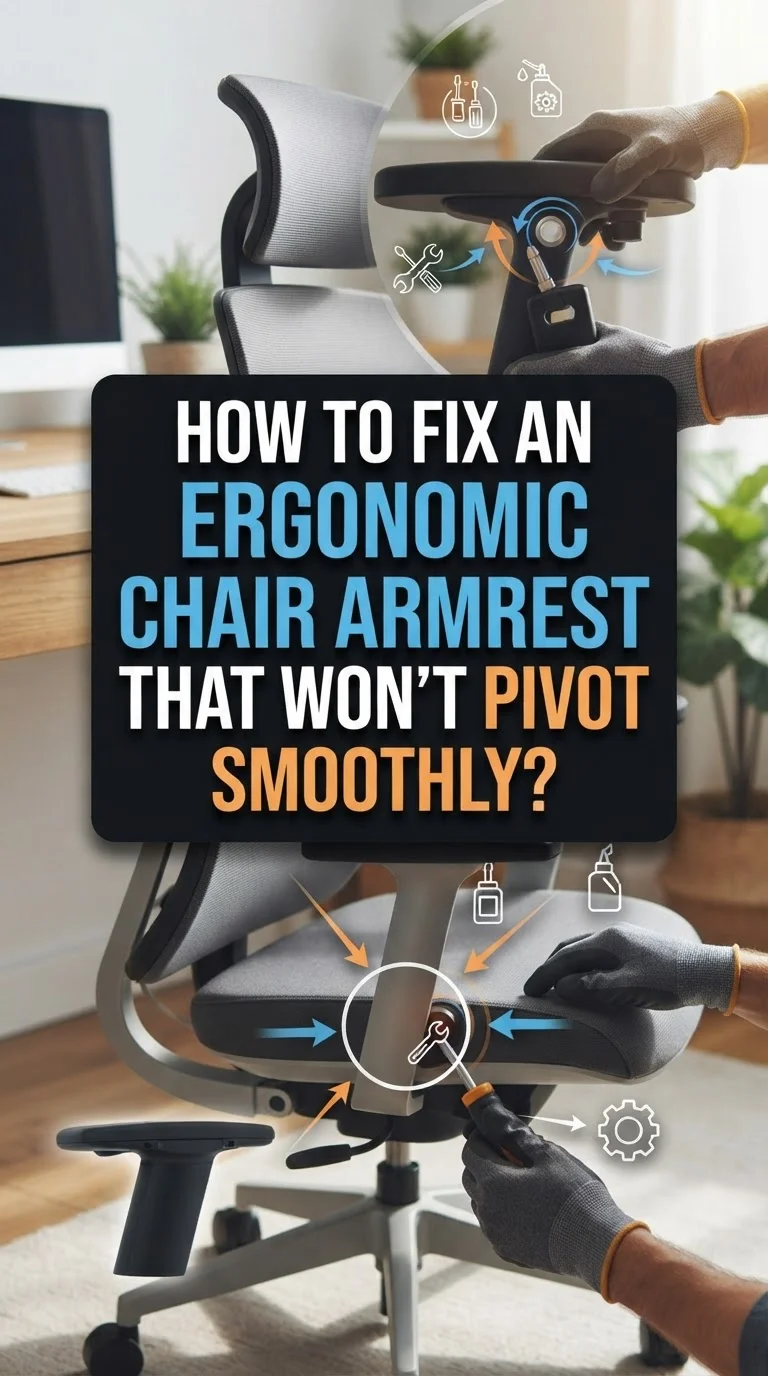
Start by loosening all mounting bolts about half a turn. You don’t need to remove them completely. This small adjustment gives you room to realign the bracket without fighting against tight fasteners.
Next, check if your armrest bracket sits flush against the chair frame. Look for any gaps between the bracket and frame. Even small spaces cause binding and stiff pivots. Gently push the armrest to see if the bracket moves or rocks.
If you spot misalignment, adjust the bracket position slowly. Move it side to side until it sits completely flat. You may need to wiggle the armrest slightly while doing this. The goal is a snug fit with zero gaps.
Once the bracket aligns properly, retighten all bolts securely. Work in a crisscross pattern if there are multiple bolts. This prevents uneven pressure that causes binding again. Tighten firmly but avoid over tightening, which creates the same stiff pivot problem you started with.
Test the pivot movement after each bolt. Move your armrest side to side gently. It should glide smoothly without resistance. If it still feels stiff, loosen the bolts slightly and check alignment once more.
Pay attention to your arm pads during this process. These pads slide on the bracket and sometimes shift during repairs. Make sure they sit evenly on both sides. Uneven pads can make pivots feel rough or unbalanced.
The entire process takes about 10 minutes for most chairs. Your armrest should now pivot smoothly in both directions. If problems persist after these steps, the bracket itself may be bent or damaged. In that case, you’ll need to inspect it more closely or consider replacement options.
Adjusting Armrest Height, Width, and Depth for Proper Fit
Your armrest height, width, and depth work together to create proper support for your arms and wrists. Getting these adjustments right prevents strain during long work sessions.
Height adjustment is your first priority. Your armrests should sit level with your desk surface or slightly below your elbow when your arms rest naturally. If they’re too high, your shoulders lift unnaturally. If they’re too low, you’ll lean forward and strain your neck.
To adjust height, locate the vertical adjustment mechanism on your armrest. Most chairs have a lever or knob underneath the arm pad. Squeeze or turn this control while lifting or lowering the armrest to your ideal position. Release when you reach the right height. Test by sitting normally and checking if your forearms rest comfortably.
Width adjustment involves moving the arm pads left and right on the bracket. Slide each pad until they’re roughly shoulder width apart. Your arms shouldn’t feel cramped or stretched. Proper width prevents your shoulders from rolling inward or outward.
Depth adjustment controls how far the armrest extends from the chair back. Pull or push the entire armrest assembly forward or backward. Your armrest should support your forearm without pushing your arms too far away from your body. You want about 4 to 6 inches of support under your forearm.
After making these adjustments, sit in your normal working position for a few minutes. Your elbows should bend at roughly 90 degrees. Your wrists should stay neutral and straight. If the pivot still feels stiff after adjusting height, width, and depth, the issue likely stems from bracket misalignment or loose bolts rather than positioning problems.
Check all adjustments regularly. Your ideal position may shift as you change your desk setup or work habits.
Common Mistakes to Avoid During Repair
When fixing an armrest pivot, you’ll want to avoid several common mistakes that make the problem worse instead of better.
Over-tightening bolts is the biggest error people make. You might think tighter means better, but excessive force actually causes the pivot to bind and stick. The armrest becomes harder to move, not easier. Tighten bolts firmly, but stop once you feel resistance. You should still be able to rotate the armrest by hand with moderate pressure.
Skipping the alignment check leads to ongoing problems. Before you tighten anything, make sure the bracket sits flush against the chair frame. If the bracket angles even slightly, the pivot will bind no matter how well you tighten it. Take 30 seconds to visually inspect this alignment. Look for gaps between the bracket and frame.
Ignoring loose components during inspection wastes your time later. Check every bolt, nut, and connection point before you start adjusting. One overlooked loose bolt can ruin your entire repair effort. Grab your wrench and test each connection.
Rushing through the process causes mistakes. Work slowly and test the pivot after each bolt adjustment. This helps you catch problems early. If something feels wrong halfway through, you can fix it immediately rather than discovering issues at the end.
Forgetting to clean the pivot joint reduces your repair success. Dust and debris buildup prevents smooth movement. Use a small brush or cloth to remove any buildup around the pivot area before you start tightening bolts.
Adjusting multiple components at once creates confusion. Focus only on the pivot function first. Once the pivot moves smoothly, then adjust height, width, or depth separately. This approach isolates problems and makes troubleshooting easier if something goes wrong.
Troubleshooting Persistent Pivot Problems
When your armrest pivot resists movement, the problem usually comes from three sources: loose mounting hardware, bracket misalignment, or debris buildup inside the joint mechanism. Understanding which issue affects your chair helps you fix it correctly the first time.
Loose mounting bolts create the most common pivot problems. These bolts gradually loosen from daily use and chair movement. When bolts lose tension, the armrest bracket shifts slightly out of position. This shift causes friction that makes pivoting feel stiff or stuck. The good news is that this fix takes just a few minutes.
Bracket misalignment happens when bolts loosen unevenly. One side of the bracket may sit closer to the chair frame than the other. This creates an angle that prevents smooth rotation. The armrest feels like it’s fighting against resistance when you try to move it. Realigning the bracket solves this immediately.
Debris inside the pivot joint reduces movement quality too. Dust, hair, and small particles accumulate where the armrest connects to the chair. These particles create friction points that slow down rotation. A quick cleaning removes this obstacle.
To address persistent pivot problems, start by examining all mounting bolts around the armrest base. Look for any that appear looser than others. Next, check if the bracket sits evenly against the chair frame on both sides. Finally, inspect the pivot joint itself for visible dust or debris.
The solution involves loosening all bolts slightly, repositioning the bracket so it sits flush against the frame, and retightening everything securely. This approach addresses all three issues at once. After retightening, test the pivot movement slowly. The armrest should rotate smoothly without catching or binding.
If problems persist after this process, the pivot mechanism itself may have internal damage. In that case, you might need to explore replacement options or professional repair services.
Final Thoughts
Fixing a stiff or wobbly armrest pivot does not need to feel overwhelming. Most problems come from loose bolts or a misaligned bracket. A simple check and adjustment often solves the issue in minutes.
Start by giving your chair a quick inspection. Look at the mounting bolts, the bracket position, and the pivot joint itself. This small step saves you time later.
Remember the basic fix. Loosen the bolts slightly, line up the bracket flush against the frame, then tighten everything back up. This ten minute task works for most ergonomic chairs.
Patience makes a real difference here. Rushing through the process often causes new problems instead of solving the old one. Take your time with each bolt and check your work as you go.
If your armrest still feels stiff after tightening, look closely at the pivot joint for dirt or debris. A clean joint moves better than a dirty one.
Sometimes the pivot mechanism has internal damage that basic tightening cannot fix. In that case, you may need a professional repair or a replacement part.
Test your armrest after every adjustment. Sit in your usual position and move your arms naturally. This helps you spot problems before they become bigger issues.
Good armrest function supports your wrists, shoulders, and overall posture. A smooth pivot lets you shift positions without strain throughout your workday.
Regular checks keep your chair working well over time. Set a reminder to inspect your armrests every few months, especially if you use your chair daily.
With the right approach, most pivot problems have a simple solution. A few careful adjustments can restore smooth movement and comfortable support for the long run.
Frequently Asked Questions
Why does my armrest pivot feel stiff even after I tighten the bolts?
Stiffness often means the bracket isn’t sitting flush against the frame. When bolts loosen unevenly, the bracket shifts out of alignment. This creates friction that stops smooth movement.
Start by loosening all mounting bolts about half a turn. Push the armrest bracket so it sits flat against the chair frame. Then retighten each bolt securely. Test the pivot after each adjustment to feel the difference.
If stiffness continues, check inside the pivot joint for dirt or dust. A quick wipe with a dry cloth sometimes solves the problem. The pivot mechanism itself may have internal damage if tightening and cleaning don’t help.
Can I adjust armrest width if the pivot won’t move?
Yes. Width adjustment works separately from pivot function on most chairs. Arm pads slide left and right along the armrest bar to change width.
This adjustment addresses spacing concerns without relying on the pivot mechanism. You can position the pads closer together or farther apart based on your desk setup.
What’s the correct height for my armrests?
Set your armrests at elbow height when you sit in your normal working position. Your elbows should rest comfortably on the pads without your shoulders hunching up.
This position reduces strain on your neck and shoulders. Your forearms should sit level with your keyboard and mouse. Adjust the height if your chair offers that feature, or use the width pads to fine tune comfort.
How long does an armrest pivot repair take?
The basic fix takes about 10 minutes. You’ll spend most of that time loosening bolts, aligning the bracket, and retightening everything securely.
Test your movement between steps to confirm the pivot works smoothly. Patience during this process prevents mistakes that create new problems.

Hi, I’m Clara! I started SitSmartGuide to help people find chairs that truly support their comfort and health — without the guesswork. After years of dealing with back pain from bad seating, I became obsessed with testing, researching, and reviewing chairs so you don’t have to learn the hard way.