How to Tell if Your Office Chair Gas Spring Needs Replacement?
Does your office chair sink lower every time you sit down? That annoying drop is not your imagination. It usually means your gas spring is wearing out.
The gas spring is the heart of your chair’s height adjustment system. It uses pressure to hold you at the perfect level. When it fails, your workday gets uncomfortable fast.
Many people ignore the early signs. They shrug off a little wobble or a slow sink. But these small clues often point to a bigger problem hiding inside the cylinder.
This guide walks you through every warning sign you need to watch for. You will learn how a healthy gas spring behaves compared to a failing one.
We will also cover strange noises, sudden drops, and even gas leaks that signal danger. By the end, you will know exactly when it’s time to replace the part.
Let’s help your chair feel steady and reliable again.
In a Nutshell
Slow or sudden sinking: If your chair drops on its own while sitting, the gas spring is likely failing. This happens because the internal pressure is leaking out.
Height adjustment stops working: A healthy chair holds its position. If yours slips back down or won’t stay raised, the cylinder needs attention.
Wobbling or instability: Excessive side to side movement often points to a worn gas cylinder. This makes sitting feel unsafe.
Odd noises: Squeaking, grinding, or popping sounds during height changes are warning signals. These noises usually mean internal wear.
Hissing sounds or strange odor: This indicates an actual gas leak. It is one of the clearest signs that replacement is needed soon.
Remember: Minor sinking is normal over time. Consistent, noticeable sinking is the real red flag.
What Is a Gas Spring and How Does It Work?
A gas spring is a cylinder filled with pressurized gas that controls your office chair’s height. When you pull the lever, you activate this mechanism. The gas inside pushes upward to lift the seat. When you release the lever, the gas holds the chair at that height.
The cylinder works through pressure alone. It uses no bolts, threading, or catches to stay attached. The pressure fit keeps everything in place. This simple design makes gas springs reliable for years when they work properly.
Inside the cylinder, nitrogen gas sits under high pressure. This gas acts like a spring. It resists downward force when you sit. The resistance creates the lifting and lowering action you feel. A valve controls when the gas releases or compresses.
The lift mechanism is the key part of your chair’s height system. Without a working gas spring, your chair cannot hold any position. The cylinder naturally sinks a tiny bit over time. This is normal wear. However, excessive sinking means the gas spring has failed.
Your chair’s stability depends entirely on this component. A weak gas spring causes wobbling and instability. The cylinder loses its ability to maintain pressure. Once pressure drops too low, the chair cannot hold height anymore.
Understanding how gas springs work helps you spot problems early. You will recognize when something goes wrong. A healthy gas spring keeps your chair steady and adjustable. It responds smoothly to lever movements. It holds your chosen height without slipping.
When the gas spring fails, replacement is your only real solution. Repair is not possible. The cylinder cannot be refilled or fixed. You must remove the old one and install a new cylinder. Knowing what a gas spring does makes the replacement process less confusing.
Key Warning Signs Your Gas Spring Is Failing
Your office chair sends clear signals when the gas spring starts to fail. Learning these warning signs helps you catch problems early before your chair becomes completely unusable.
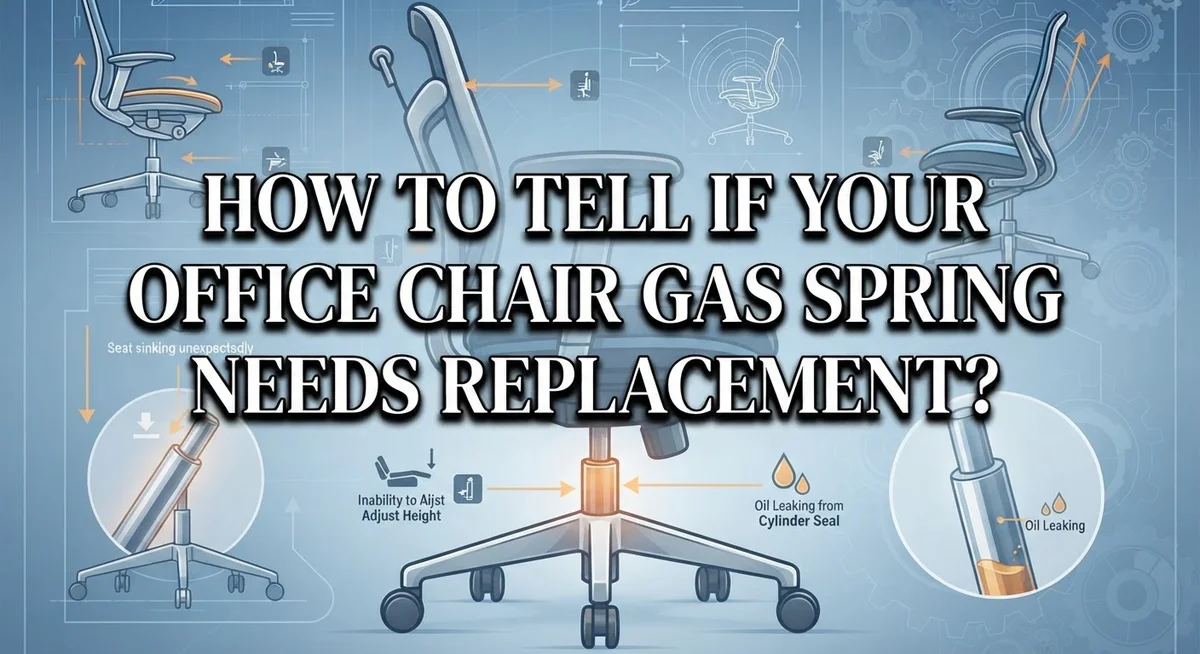
Sinking is the most obvious sign. If your chair drops lower every time you sit down, the gas spring is likely failing. A healthy chair holds its height all day long. A failing one sinks slowly or drops suddenly when you apply weight. This happens because the pressurized gas inside the cylinder loses its strength over time.
Height adjustment stops working altogether. Try raising or lowering your chair. Does it stay where you set it? A working gas spring keeps your chair at the exact height you choose. When adjustment fails completely, the cylinder has lost its pressure and cannot hold the mechanism in place.
Wobbling and instability signal trouble too. Excessive side to side movement or rocking means the gas cylinder cannot support your weight properly. Your chair should feel solid and stable. Instability makes work uncomfortable and unsafe.
Listen for strange noises. Squeaking, grinding, or popping sounds during height changes indicate internal wear. These noises mean the cylinder is struggling to function.
Gas leaks are serious warning signs. Hissing sounds or a strange chemical odor mean gas is escaping from the cylinder. A gas leak makes replacement urgent because the spring cannot recover on its own.
Remember that minor sinking happens naturally over months or years. This is normal wear. However, consistent sinking, complete height adjustment failure, or gas leaks mean your gas spring needs replacement. Catching these signs early prevents your chair from becoming unusable and keeps your workspace comfortable and safe for daily use.
Normal Sinking vs. Actual Cylinder Failure
A healthy office chair sinks very slightly over time. This is completely normal. The gas cylinder loses tiny amounts of pressure naturally, so your chair may drop a fraction of an inch after weeks or months of use. Don’t panic if this happens.
Actual cylinder failure looks different. Your chair sinks noticeably every single time you sit down. You sit, and within seconds or minutes, the chair drops several inches lower. This repeated, obvious sinking shows the gas spring cannot hold pressure anymore.
The key difference is consistency and severity. Normal sinking happens gradually over weeks. Failure sinking happens immediately and gets worse each day. If your chair held height perfectly yesterday but drops today, the cylinder is failing.
Test your chair properly. Sit down and stay still for 30 seconds. A normal chair holds steady. A failing chair continues sinking the entire time you sit. Then stand up and sit again. If the chair is lower than before, the cylinder has lost its ability to maintain pressure.
Another test involves the height adjustment lever. Raise your chair to maximum height, then release the lever. A working cylinder keeps the chair up. A failing cylinder lets the chair drop back down on its own, even without your weight pushing it.
Pay attention to how quickly the sinking happens. Gradual sinking over months is normal wear. Sudden, rapid sinking within days or weeks signals failure. The cylinder’s internal seal has likely broken.
Gas leaks confirm failure. If you hear hissing sounds or smell a chemical odor near the base, the cylinder is definitely broken. Gas is escaping, which means the cylinder cannot function.
Once you identify actual cylinder failure, replacement becomes necessary. A failing gas spring will only get worse. Your chair will become unstable and uncomfortable to use.
How to Test Your Chair’s Gas Spring at Home
Testing your chair’s gas spring at home takes just a few minutes. You don’t need special tools or technical knowledge to figure out if your cylinder is working properly.
Start with the sitting test. Sit down in your chair normally and stay seated for about 30 seconds without moving. Watch whether the chair sinks lower during this time. A tiny amount of sinking is normal and healthy. If your chair drops noticeably or continues sinking throughout those 30 seconds, your gas spring is likely failing.
Next, test the height adjustment lever. Raise your chair to its highest position, then slowly lower it back down. The movement should feel smooth and controlled. If the chair drops suddenly or won’t stay at your chosen height, the gas cylinder cannot hold pressure anymore.
Pay attention to how fast the sinking happens. Does it sink immediately when you sit? That’s a bad sign. Does it stay stable for several minutes before slowly dropping? That’s more typical behavior. Rapid sinking means the cylinder is no longer maintaining its pressure seal.
Listen carefully while adjusting your chair’s height. Strange noises signal internal damage. Squeaking, grinding, or popping sounds mean the cylinder is wearing out internally. These sounds often appear before the chair starts sinking noticeably.
Check for gas leaks around the base of your chair. Hissing sounds or chemical odors mean gas is escaping. A leaking cylinder cannot maintain pressure and will definitely need replacement.
Combine these simple tests to get a clear picture. If your chair fails the sitting test, won’t hold height adjustments, makes odd noises, or smells strange, your gas spring has failed. One failed test might indicate a problem. Multiple failed tests confirm that replacement is necessary.
Step-by-Step: Removing and Replacing the Cylinder
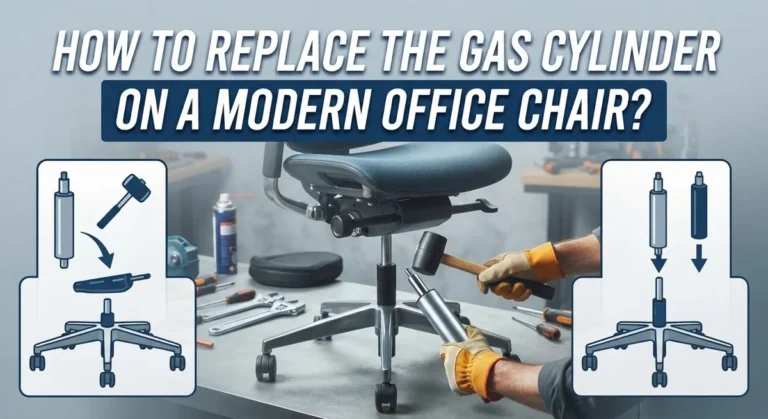
Removing and replacing your office chair’s gas cylinder is simpler than you might think. The process requires only basic tools and takes about 15 minutes.
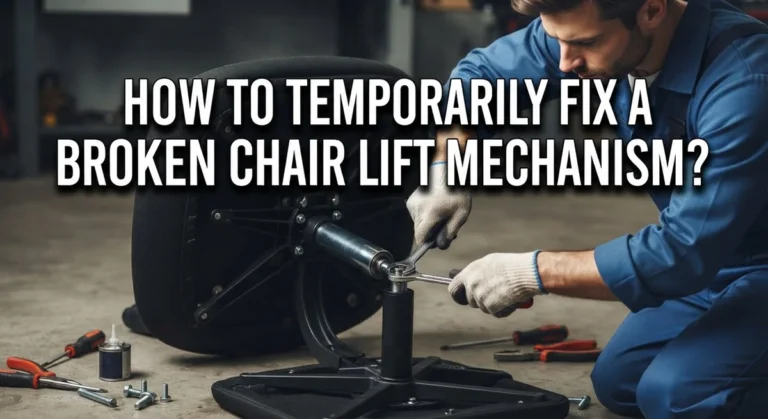
Start by flipping your chair upside down. Most office chairs have a base with wheels. You’ll see the gas cylinder running vertically through the center. This metal tube connects your seat to the base using pressure fit only, which means it’s held in place by force, not bolts or threads.
Heat the cylinder before removal. Apply heat to the cylinder for about 20 minutes using a heat gun or warm water. This expands the metal slightly and makes the pressure fit easier to break. Heat reduces the force needed to pull the parts apart.
Grab the cylinder firmly and pull straight up. Use steady, even pressure. The cylinder will eventually release with a pop or sudden give. Avoid twisting or angling the pull, as this can damage the connection points on both the seat and base.
Once removed, inspect the cylinder for damage. Look for dents, cracks, or visible leaks. A faulty cylinder won’t be repairable, so replacement is your only option.
Install the new cylinder by reversing the process. Align the cylinder straight with the base opening. Push down firmly using steady pressure until you hear a click or feel resistance stop. The pressure fit should hold the new cylinder securely in place.
Test your chair after installation by sitting down and checking the height adjustment. The chair should hold its position without sinking. If sinking continues, the new cylinder may not be fully seated. Remove it and reinstall with more force.
This replacement method works on most standard office chairs. If your chair has a different base design, consult your specific chair’s manual for variations.
Common Mistakes to Avoid During Replacement
Many people make mistakes during gas spring replacement that cause frustration or damage. The most common error is confusing normal minor sinking with actual cylinder failure. Office chair cylinders naturally sink a tiny bit over time. This is completely normal. Only replace the cylinder when sinking becomes excessive or the chair won’t hold its height at all.
Don’t force the old cylinder out. Applying too much pressure can damage the base or your hands. The cylinder uses a pressure fit connection, which means it slides in and out without bolts or threading. If you pull too hard without proper preparation, you risk breaking the base or injuring yourself. Heat the cylinder for about 20 minutes before removal. Warm cylinders slide out much more easily.
Another mistake is installing the new cylinder at an angle. The cylinder must go in perfectly straight. If you push it in sideways or crooked, it won’t seat properly and your chair won’t work right. Take your time during installation and align everything carefully before applying pressure.
Check your work before declaring success. After installation, sit in the chair and test the height adjustment multiple times. Raise it to the highest position, then lower it slowly. The chair should hold its height without sinking. If it still sinks, the cylinder may not be installed correctly.
Don’t ignore gas leaks either. If you smell a chemical odor or hear hissing during the replacement process, stop immediately. Gas leaks mean the old cylinder was truly damaged. Dispose of it properly and ensure your new cylinder has no damage before installation.
Finally, avoid rushing through the process. Take breaks between steps. Replacement is straightforward when you follow each step carefully and avoid forcing anything.
Troubleshooting Persistent Height or Wobble Issues
Your office chair might have a gas spring problem if it’s not staying at the height you set it. Let me help you figure out what’s happening and whether replacement is necessary.
Persistent sinking is the main warning sign. All chairs sink slightly over time. This is normal. However, if your chair drops several inches within minutes of sitting down, the gas cylinder has likely failed. The cylinder uses air pressure to hold your chair up. When that pressure leaks away, your seat descends without your control.
Wobbling during normal use indicates another problem. A healthy chair stays stable when you shift your weight. Excessive wobbling means the gas spring cannot maintain proper pressure. You might notice the chair feels unsteady even on a flat floor. This wobbling often gets worse when you adjust the height.
Listen for strange sounds as an early warning. Hissing noises mean gas is escaping from the cylinder. A faint hissing suggests a small leak. Loud hissing means the problem is serious. Some people also notice a chemical smell near the chair base. This odor comes from the pressurized gas inside the cylinder.
Test your chair’s response to height adjustments. Sit down normally and stay still for 30 seconds. Does your chair sink noticeably? Now use the height lever. Does the chair respond smoothly, or does it feel sluggish? A failing gas spring responds slowly or not at all.
Pay attention to how quickly problems develop. If your chair worked fine yesterday but sinks today, the cylinder likely failed suddenly. Gradual sinking over weeks or months suggests the seal is slowly leaking.
These signs together point to a failing gas spring. Once you confirm the problem, replacement becomes straightforward and fixes all these issues at once.
Final Thoughts
Your office chair should support you without any fuss. If it sinks, wobbles, or makes odd noises, your gas spring is likely failing.
The good news is that this problem has a clear fix. You can identify the issue, remove the old cylinder, and install a new one yourself.
Pay attention to how your chair behaves each day. Consistent sinking or a chair that won’t hold its height are the clearest signs of trouble. Minor sinking is normal, but sudden or severe drops are not.
Trust your senses during this process. A hissing sound or strange smell means gas is escaping. Wobbling means the fit is loose or damaged.
Remember that gas cylinders use a pressure fit system. There are no bolts or screws holding them in place. This makes removal and installation straightforward once you know the steps.
Heating the cylinder before removal saves you time and effort. Twenty minutes of heat loosens the tight fit. This small step prevents frustration and protects your hands.
Take your time with each step. Rushing leads to crooked installations or damaged parts. A careful approach gets better results every time.
After installing the new cylinder, test it properly. Sit down, adjust the height, and shift your weight. Your chair should feel stable and responsive.
Don’t ignore small problems hoping they will disappear. A chair with a failing gas spring only gets worse over time. Address issues early to avoid bigger headaches later.
With the right knowledge, you can spot gas spring problems quickly. You can also fix them without calling a professional. This saves you money and keeps your workspace comfortable.
Your chair deserves proper care and attention. A well maintained gas spring means better posture, less strain, and a more pleasant workday. Keep these signs and steps in mind, and your office chair will serve you well for years to come.
Frequently Asked Questions
What exactly causes an office chair to sink?
A faulty gas cylinder in the lift mechanism causes sinking. The gas cylinder holds pressure to keep your chair at the height you set. When this cylinder fails, it can no longer maintain that pressure. Your chair then slowly descends when you sit on it. This is the most common reason office chairs lose their height over time.
How can I tell if my chair sinks normally or if it’s a real problem?
All office chairs sink slightly. This is normal and expected. The problem appears when sinking becomes excessive or sudden. If your chair drops more than an inch or two within seconds of sitting down, the gas spring likely needs replacement. A healthy chair stays stable for hours at a time.
What sounds should I listen for as warning signs?
Hissing noises mean gas is escaping from the cylinder. You might also notice a faint odor near the base. These sounds and smells appear before the chair completely fails. Pay attention to your chair during normal use. Strange noises are your early warning system.
How is the gas cylinder actually attached to my chair?
The gas cylinder uses a pressure fit system only. There are no bolts, threads, or catches holding it in place. It simply slides into the base with pressure. This design makes replacement straightforward once you understand how it works.
When should I actually replace the gas spring?
Replace it when your chair won’t hold its height setting or sinks excessively. If the cylinder hisses or smells like gas, replacement time is near. Don’t wait for complete failure. Acting early prevents you from sitting on a broken chair unexpectedly.

Hi, I’m Clara! I started SitSmartGuide to help people find chairs that truly support their comfort and health — without the guesswork. After years of dealing with back pain from bad seating, I became obsessed with testing, researching, and reviewing chairs so you don’t have to learn the hard way.