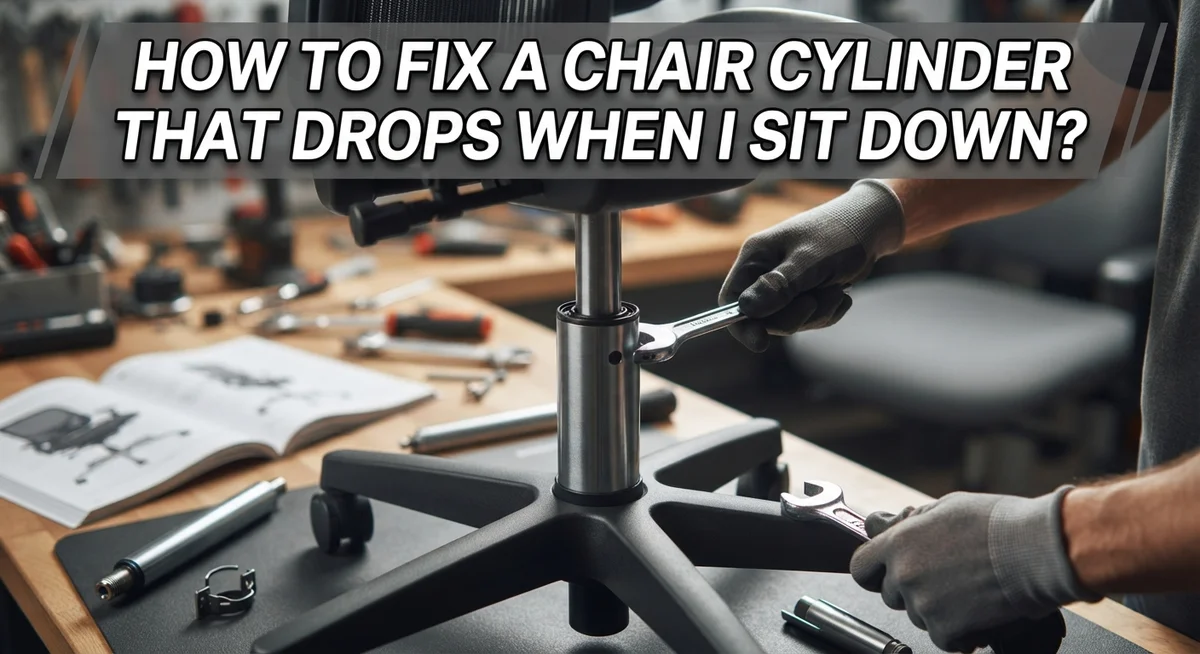
How to Fix a Chair Cylinder That Drops When You Sit Down?
Does your office chair sink every time you sit down? This annoying problem happens when the gas cylinder loses its pressure over time.
You are not alone in this struggle. Many people deal with a chair that slowly drops during the day.
The good news is you can fix this issue yourself. You do not need to buy a new chair right away.
This guide will show you simple ways to stop your chair from sinking. We will cover easy tricks like using tape or a hose clamp.
We will walk you through each step clearly. You will also learn about common mistakes people make during this repair.
By the end of this article, you will know how to test your fix properly. Let’s get your chair back to a comfortable height so you can sit without worry.
In a Nutshell
The main cause is a gas cylinder that has lost its pressure. This makes your chair sink down when you sit on it.
The tape method works well for a quick fix. Wrap a tape band around the cylinder at your favorite height.
The hose clamp method gives a stronger hold. Clamp the cylinder in place, then add duct tape for extra grip.
A light coat of oil can help too. Apply it where the shaft meets the cylinder for smoother movement.
Always set your chair height first. Do this before you clamp or tape anything in place.
Test your fix carefully. Sit down a few times to check if the chair holds steady.
Why Office Chair Cylinders Lose Pressure and Sink
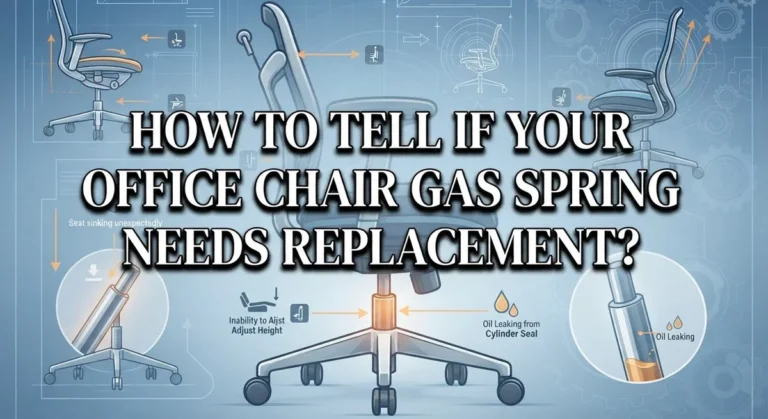
Your office chair cylinder loses pressure over time due to normal wear and tear. The gas seal inside the cylinder gradually weakens, allowing air to escape slowly. This happens to most office chairs after several years of daily use.
The cylinder works like a bicycle pump. It holds pressurized gas that pushes the seat up when you sit down. When the seal cracks or wears out, that gas leaks away. Your chair then sinks lower and lower with each use.
Heat and humidity speed up this process. Office environments with temperature changes cause the gas inside to expand and contract. This movement puts stress on the seal over time. The constant sitting and standing also wears down the internal components.
Dust and debris can get inside the cylinder too. Small particles work their way into the seal area. They create tiny gaps where air escapes. This is especially common in older chairs or dusty workspaces.
The cylinder shaft also experiences friction daily. When you adjust your chair height or shift your weight, the shaft moves up and down inside the cylinder. This constant motion gradually damages the seal that keeps the gas trapped inside.
Age is the biggest factor though. Most gas cylinders last between three to five years with regular office use. After that time, the seal material simply gets old and brittle. It loses its ability to hold pressure effectively.
Understanding this process helps you see why temporary fixes work. You are not fighting a sudden break. You are managing a slow leak that happens naturally. This knowledge makes it easier to decide which repair method works best for your situation.
Tools and Materials You’ll Need Before You Start
Before you start fixing your sinking chair, gather the right tools and materials. Having everything ready makes the job faster and easier.
You will need an adjustable wrench to remove or adjust the cylinder. This wrench fits different bolt sizes, so one tool handles most situations. A hose clamp (also called a pipe clamp) is essential for the clamping method. These clamps tighten around the cylinder to hold it at your desired height.
Duct tape serves as reinforcement after you clamp the cylinder. The tape adds extra grip and prevents the clamp from slipping over time. Get a sturdy roll that sticks well and lasts through repeated use.
You may also want light machine oil on hand. Just a small amount helps if the cylinder shaft needs lubrication. Never use heavy oils or grease, as these can damage the internal seal.
A marker or pen helps you mark the correct height before you start clamping. Simply sit in the chair at your preferred position and mark where the cylinder should stop.
Consider having a flat surface nearby to work on. You might need to tip the chair over to access the cylinder properly. A towel or blanket protects both your floor and the chair.
Finally, keep a cloth or rag nearby to wipe away any dust or debris from the cylinder. Clean cylinders work better and let you see exactly where you’re working.
These basic tools cost very little and you may already own most of them. Once you have everything assembled, you are ready to begin the repair process.
How to Fix a Sinking Chair Using the Tape Band Method
The tape band method is one of the simplest ways to stop your chair from sinking. This approach works by creating a physical barrier that prevents the cylinder from compressing further.
Start by sitting in your chair and adjusting it to your ideal height. Once you find the right position, stand up and mark that spot on the cylinder with a pen or marker. This mark shows you exactly where to place your tape band.
Next, wrap strong tape around the cylinder at your marked height. Make sure the tape sits snugly against the cylinder shaft. The tape acts like a stopper that catches on the chair base, preventing downward movement. Apply multiple layers for better grip and durability.
Press the tape firmly so it adheres completely to the cylinder. Smooth out any wrinkles or air bubbles. A tight seal means the tape won’t slip during use.
Sit back down in your chair and test the repair. Push down on the seat with your full weight. The chair should stay at your set height without dropping. If it still sinks slightly, add another layer of tape and test again.
The tape method works best for minor sinking problems. This fix typically lasts several weeks to a few months before the tape wears down. You may need to reapply or replace the tape periodically.
Keep extra tape nearby for quick touch ups. If your chair continues to sink even with multiple tape layers, the cylinder damage may be too severe. In that case, consider trying a hose clamp method or exploring cylinder replacement options for a more permanent solution.
How to Fix a Sinking Chair Using a Hose Clamp
A hose clamp offers a stronger solution than tape alone for stopping your chair from sinking. This method works by creating a physical barrier that prevents the cylinder from compressing further.
Start by removing the chair base so you can access the cylinder clearly. You’ll need to flip the chair upside down or remove the seat cushion depending on your model. Once exposed, adjust your chair to the exact height where you feel most comfortable sitting.
Position the hose clamp around the cylinder at that desired height. Make sure the clamp sits perpendicular to the cylinder shaft. Tighten the clamp using an adjustable wrench until it feels snug but not overly tight. You want enough pressure to stop movement without damaging the cylinder.
After clamping, reinforce the repair by wrapping duct tape around the cylinder just above the clamp. This extra layer prevents the clamp from slipping and adds stability to your fix. The tape also protects the cylinder surface from direct metal contact.
Test your repair by sitting in the chair and applying your full weight. The chair should stay at your set height without dropping. If it sinks slightly, tighten the clamp a bit more or add another layer of tape.
Check the repair every few days during the first week. Clamps can loosen over time as you sit and stand repeatedly. A quick adjustment with your wrench keeps everything secure.
This method typically lasts longer than tape alone. However, remember that this remains a temporary solution. The underlying pressure loss in your cylinder continues, so you may need adjustments eventually.
Using Light Machine Oil to Reduce Cylinder Friction
Light machine oil can help reduce friction where your chair cylinder shaft enters the main body. This simple approach addresses one source of the sinking problem by making the seal work more smoothly.
How the oil method works is straightforward. When you apply a small amount of oil to the junction point, you reduce resistance between moving parts. Less friction means the cylinder holds its position more effectively against your weight.
Start by exposing your chair cylinder completely. You need clear access to where the shaft disappears into the cylinder body. Locate the exact point where these two parts meet.
Apply oil sparingly to this junction. Use just a few drops on a cloth or directly at the connection point. Too much oil actually makes things worse by creating a slippery surface that allows the cylinder to slide down more easily.
Wipe away any excess oil with a clean rag. You want a light coating, not a pool of liquid. Let the oil settle for a few minutes before testing.
Important limitation to know: oil alone rarely fixes a sinking chair permanently. This method works best when combined with other solutions like hose clamps or tape bands. Oil primarily extends the life of a weakening cylinder rather than solving the core problem.
Test your chair by sitting down and staying seated for several minutes. Monitor whether the sinking continues or slows down. If the chair still drops significantly, combine this oil treatment with a hose clamp or tape method for better results.
Remember that a damaged cylinder seal will eventually need replacement. Light oil is a temporary measure that buys you time while you plan a more permanent fix.
Common Mistakes to Avoid When Repairing a Gas Cylinder
When you repair a sinking chair cylinder, certain mistakes can make your problem worse. Understanding what to avoid saves you time and frustration.
Applying too much oil is a common error. Many people think more oil means better results. The truth is different. Excess oil attracts dust and dirt to your cylinder. This buildup actually makes the sinking worse over time. Use only a few drops at the shaft junction. Wipe away any excess immediately with a clean cloth.
Never attempt cylinder removal without proper tools. Worn cylinders stick firmly in place. Forcing removal without an adjustable wrench or proper leverage can damage the base or your hands. If the cylinder won’t budge easily, stop and try a different repair method instead.
Inadequate clamping pressure defeats the purpose of using a hose clamp. If you tighten it loosely, your chair will still sink. The clamp must be snug enough that the cylinder cannot move downward at all. Test this before you trust your full weight to it.
Skipping the test phase is risky. Always sit in your chair after any repair. Apply your full weight and stay seated for several minutes. This reveals whether your fix actually works before you rely on it daily.
Avoid over-taping the cylinder. Thick tape layers can bunch up or slip. Use one or two layers of strong tape only. Multiple thin layers work better than one thick layer.
Remember that temporary fixes have limits. A permanently damaged cylinder seal will eventually need replacement. These methods extend your chair’s life but are not permanent solutions. Plan for a replacement when your current fix stops working.
Troubleshooting: When a Fix Doesn’t Hold or the Chair Still Drops
Sometimes your repair doesn’t work as expected. Your chair might still drop, or the fix holds for only a few days. Understanding why this happens helps you decide your next steps.
The most common reason fixes fail is inadequate pressure on the clamp. You need to tighten it firmly enough to grip the cylinder shaft completely. If you can still move the shaft up and down by hand, your clamp isn’t tight enough. Loosen the clamp, reposition it at your desired height, and tighten it more aggressively.
Another issue is cylinder seal damage that’s too severe for temporary fixes. If your chair continues sinking despite a properly installed clamp, the internal seal has likely failed. Temporary solutions work best on cylinders with minor pressure loss, not permanent seal failure.
Test your repair correctly to avoid false conclusions. Sit down quickly and stay seated for at least two minutes. Apply your full weight and shift around. A chair that holds for 30 seconds but drops after extended sitting indicates the clamp needs tightening.
Check your repair daily during the first week. Sometimes clamps loosen naturally as materials settle. You may need to tighten it once or twice before it stabilizes.
If your chair continues dropping after you’ve tightened everything properly, cylinder replacement becomes necessary. No temporary fix can restore a permanently damaged seal. The good news is that replacing the cylinder is straightforward and inexpensive compared to buying a new chair. Accept that temporary solutions have limits, and plan accordingly for a full replacement when needed.
Signs You Need a Full Cylinder Replacement
Your chair cylinder won’t last forever. Eventually, you’ll need to replace it completely rather than apply temporary fixes. Knowing when replacement is necessary saves you time and frustration.
A permanent leak means replacement is your best option. If your cylinder loses pressure within hours or days after you apply a temporary fix, the seal is likely damaged beyond repair. Temporary methods like tape or clamps only work when the seal still holds some pressure. Once that seal fails completely, no quick fix will help.
Pay attention to how fast your chair drops. If it sinks immediately when you sit down, the cylinder has lost most or all of its gas pressure. Temporary fixes work best for slow, gradual sinking. Fast drops signal serious internal damage.
Check if your temporary fix holds for more than a few days. Repairs that fail quickly indicate seal damage. When you tighten a hose clamp and the chair still drops within 24 hours, replacement is coming.
Listen for hissing sounds when you apply pressure to the cylinder. This noise means gas is escaping from a crack or hole. Temporary fixes cannot seal these openings.
Test your chair’s stability by sitting and standing repeatedly. A working temporary fix keeps your chair at the same height through multiple cycles. If the height changes noticeably, the seal is breaking down.
Consider replacement if you’ve already tried two different temporary methods. Multiple failed repairs waste your effort and suggest the damage is extensive.
Replacement cylinders are straightforward to install if you have basic tools. You simply remove the old cylinder and insert the new one. This permanent solution costs less than repeatedly applying temporary fixes over months.
Final Thoughts
A sinking chair does not mean you need a new one right away. Simple fixes like tape or a hose clamp can solve the problem fast.
These methods cost little and take only minutes. You already have most tools at home.
Start with the easiest fix first. Try the tape method before moving to a hose clamp.
Test your repair right after you finish it. Sit down and stand up several times to check stability.
Keep an eye on your chair over the next few days. A good repair should hold steady without slipping again.
If the drop returns quickly, the seal inside may be too damaged. This means a temporary fix cannot help anymore.
Cylinder replacement becomes your next step in that case. It sounds hard, but the process is simple with basic tools.
Many people replace a cylinder in under thirty minutes. You do not need special skills to finish this task.
Think about how often you use your chair. A work chair that sees daily use may need a faster fix than one used occasionally.
Your comfort matters just as much as saving money. Do not sit in a chair that keeps dropping and hurting your back.
Small repairs teach you a lot about how your chair works. This knowledge helps you catch problems early next time.
Every chair owner faces this issue eventually. Gas cylinders wear out due to daily pressure and time.
Stay calm when your chair starts sinking again. You now know exactly what steps to take.
Fixing it yourself saves money and builds confidence. You do not always need to call a professional for something this simple.
Your chair can serve you well for years. With the right care, small fixes go a long way.
Frequently Asked Questions
Why does my office chair drop when I sit down?
Your chair drops because the gas cylinder inside loses pressure over time. The cylinder has a seal that keeps air trapped inside. When this seal wears out, air escapes slowly. The chair sinks as you sit because there’s no pressure to hold it up anymore.
This is a common problem with office chairs. Most people experience it eventually. The good news is you can fix it yourself with basic tools.
Can I fix a dropping chair without replacing the cylinder?
Yes, you can use temporary fixes that work well. The tape method wraps a band around the cylinder at your desired height. This stops the chair from sinking further down.
The hose clamp method works even better. You clamp the cylinder firmly at the height you want, then reinforce it with duct tape. This creates a physical barrier that prevents descent.
Both methods are quick and inexpensive. They extend your chair’s life significantly. However, these are temporary solutions, not permanent fixes. They work best when the seal damage isn’t too severe.
What’s the easiest way to apply a temporary fix?
Start by setting your chair to a comfortable height. Sit down and adjust until it feels right. Then expose the cylinder underneath the seat.
For the tape method, wrap tape tightly around the cylinder at that position. Make several layers for strength. For the hose clamp method, position the clamp at your desired height and tighten it firmly with an adjustable wrench. Add duct tape around the clamp for extra reinforcement.
Test your repair immediately. Sit down quickly and stay seated for two minutes. Check if the chair holds steady.
How do I know if my chair needs a full cylinder replacement?
If your temporary fix fails after several days, replacement is likely necessary. Listen for hissing sounds when you press on the cylinder. This indicates air is still escaping.
Pay attention to how fast your chair drops. If it sinks within hours or days after repair, the seal damage is probably too severe. Multiple failed repair attempts also suggest replacement is your best option.

Hi, I’m Clara! I started SitSmartGuide to help people find chairs that truly support their comfort and health — without the guesswork. After years of dealing with back pain from bad seating, I became obsessed with testing, researching, and reviewing chairs so you don’t have to learn the hard way.