How To Stop Pet Hair From Sticking To Office Chairs?
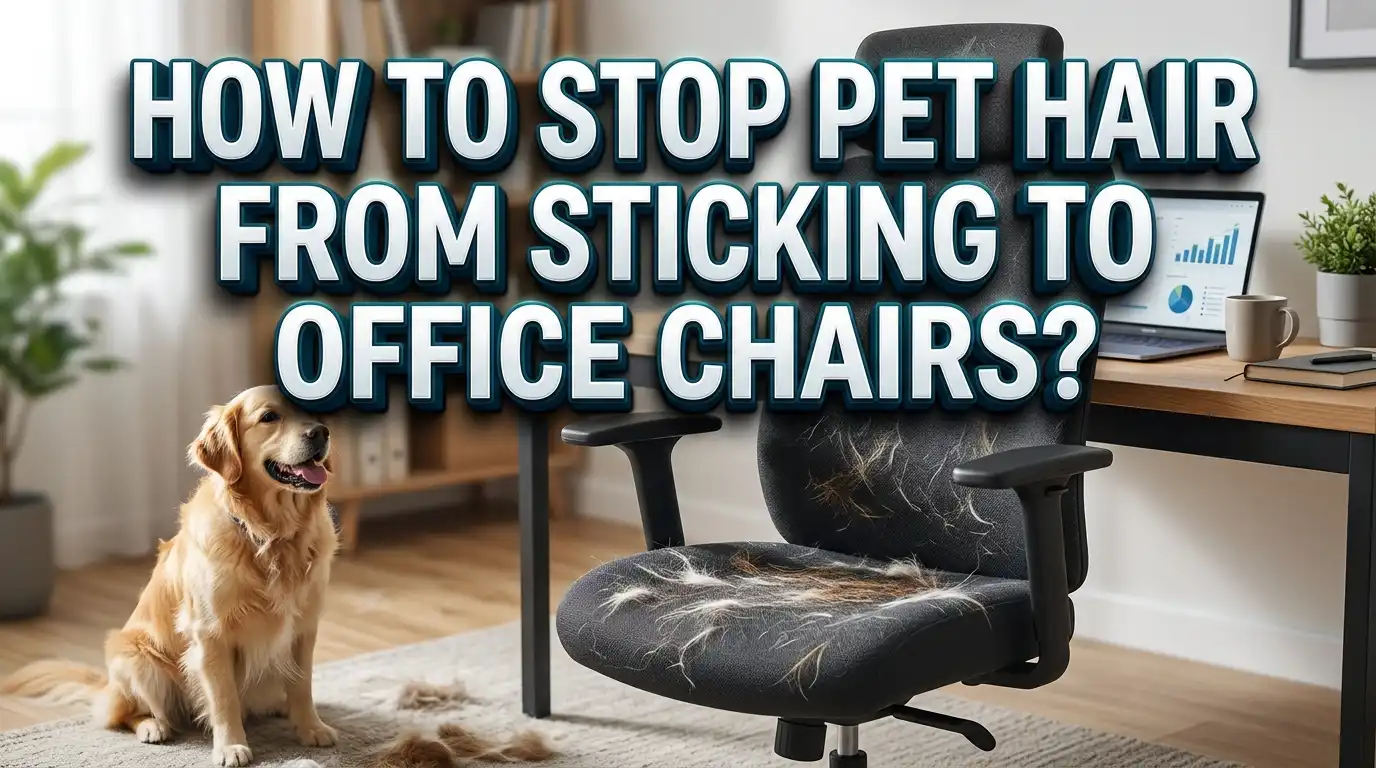
If you share your home with a furry companion, you already know the struggle. You sit down at your desk, start your workday, and before long, your office chair looks like it belongs to a Siberian Husky.
Pet hair on office chairs is one of the most frustrating problems that pet owners deal with every single day. It sticks, it clumps, it embeds itself deep into fabric, and it seems almost impossible to fully remove.
The good news? You do not have to choose between your pet and a clean, professional workspace. This guide gives you every tool, tip, and strategy you need, from quick daily habits to long-term prevention methods.
Key Takeaways
- Pet hair sticks to office chairs mainly because of static electricity, which builds up in synthetic fabric materials like polyester and nylon, creating a magnetic pull that traps individual strands of fur deep into the fibers. Understanding this root cause helps you fight back more effectively.
- Regular grooming of your pet is the single most powerful prevention strategy available. Short-haired dogs shed between 300 and 600 hairs daily, while heavy-shedding double-coated breeds can lose thousands of hairs every day. Reducing the amount of loose hair on your pet means less hair reaching your chair.
- The right chair material makes a massive difference. Leather, faux leather, and tightly woven microfiber fabrics shed pet hair far more easily than open-weave fabrics, velvet, or chenille, which trap hair deep inside their fibers.
- A consistent cleaning routine is more effective than deep-cleaning sessions done occasionally. Daily quick passes with a lint roller or rubber glove, combined with a weekly vacuum session using a brush attachment, keep hair from building up into a deeply embedded mess.
- Anti-static sprays and dryer sheets disrupt the static electricity that makes pet hair cling to fabric surfaces. Using these as a preventive layer after cleaning creates a protective barrier that makes future hair removal much easier.
- Using a chair cover or seat protector is the smartest long-term solution because it acts as a washable shield between your pet’s fur and your chair’s permanent upholstery, saving you time and effort every single week.
Why Pet Hair Sticks to Office Chairs in the First Place?
Before you can stop pet hair from sticking, you need to understand why it sticks at all. The answer is mostly physics. Pet hair is lightweight, and many office chair fabrics are made from synthetic materials like polyester or nylon. These materials generate static electricity easily through regular friction, such as you sitting down, shifting your weight, or getting up from the chair repeatedly throughout the day.
Static electricity creates a charge on the surface of the fabric that acts like a magnet for loose hair. Once a hair strand lands on a charged surface, it clings tightly and even works its way deeper into the fabric’s texture over time. This is why simply brushing your hand across a hairy chair barely helps. The hair has already bonded with the material on a near-microscopic level.
Another reason pet hair is so stubborn is the structure of the hair itself. Pet fur has tiny scales along its shaft, similar to the scales on a fish. These microscopic scales catch onto fabric fibers like tiny hooks, which is why vacuuming alone often fails to remove all the embedded strands. Understanding this helps you pick the right removal tools, specifically those that physically lift and scrape the hair rather than just suck at it from a distance.
Fabric type also plays a major role. Chairs with looser weaves, textured upholstery, or raised surfaces give pet hair more places to latch onto. The more texture a fabric has, the more surface area pet hair can grip. This knowledge becomes very useful when you choose your next office chair or when you decide which cover to use.
Establish a Daily Pet Hair Removal Routine
Consistency is the most important factor in keeping your office chair clean. One five-minute session every day is far more effective than a one-hour deep clean done once a month. Daily maintenance stops hair from piling up and embedding itself so deeply that removal becomes a serious project.
Start each morning by giving your office chair a quick pass before you sit down. This takes almost no time and prevents you from immediately pushing loose hair deeper into the fabric with your body weight. Choose one removal tool that you keep right at your desk so there is zero friction in sticking to this habit.
A lint roller is the most convenient daily tool because it requires no prep and works on almost every surface. Keep one within arm’s reach of your chair so you can grab it at any moment. Sticky lint rollers trap hair with adhesive sheets that you tear off when full. They work best on short, fine hairs and light buildup.
A rubber lint brush or reusable pet hair remover brush works just as well and creates no waste because you simply clean the brush after use. Many pet owners find these more satisfying because they can see how much hair they have removed. Building this into your daily workflow, just two or three quick strokes before you sit down in the morning, creates a clean baseline that is easy to maintain throughout the day.
Use a Lint Roller the Right Way
Most people already own a lint roller, but very few use it at maximum effectiveness. The way you apply it matters more than how many times you roll it. Here is the technique that actually works.
Start from the top of your chair back and work your way down. Pet hair follows gravity and movement patterns, so working downward helps guide loose hair off the chair rather than redistributing it. Use short, overlapping strokes rather than long sweeping passes. Short strokes give the adhesive sheet more contact time with the fabric surface.
Press the roller down firmly rather than gliding it lightly across the surface. A firm press helps the adhesive reach into the slight texture of the fabric, where embedded hairs are hiding. Tearing off the used sheet frequently keeps the adhesive fresh and much stickier, which dramatically improves how much hair each pass removes.
For stubborn embedded hair in chair crevices, such as the seam where the seat meets the back, fold the lint roller sheet around your finger and press it directly into the crevice. This targeted technique removes hair from spots the full roller cannot reach. After you finish, run your hand lightly over the surface to check for any remaining patches you may have missed, then address those spots directly. A fresh sheet and firm pressure on those stubborn spots will usually finish the job completely.
Try the Rubber Glove Method for Stubborn Hair
The rubber glove method is one of the most effective and budget-friendly tricks available to pet owners. A damp rubber glove creates both a physical sweeping action and a slight static charge that draws pet hair up and off the fabric surface. Many people who have tried every other method report that this one works when nothing else does.
Put on a pair of rubber dishwashing gloves and dampen them slightly under running water. You want them moist, not dripping wet. Then run your gloved hand firmly across the surface of your chair in long sweeping strokes. The rubber grips the hair and rolls it up into clumps that you can easily pick off and discard.
The dampness adds extra pulling power because moisture slightly disrupts the static charge holding the hair to the fabric. As you sweep, the hair will gather into satisfying little balls that you can collect with your other hand or simply wipe into a trash bin. This method works particularly well on deeply embedded hair that lint rollers leave behind.
For very hairy sections of the chair, work in one direction first to gather hair into a pile, then work in the opposite direction to pick up anything you missed. After the glove treatment, follow up with a vacuum or lint roller to capture any loose strands the gloves dislodged but did not collect. Keep a pair of rubber gloves stored near your desk for quick access whenever you need them.
Vacuum Your Office Chair Correctly
A vacuum cleaner is one of your most powerful tools for removing pet hair from an office chair, but it has to be used correctly. A standard vacuum head without a brush attachment often fails because it cannot dislodge hair embedded in the fabric. The right technique and the right attachment make all the difference.
Use the upholstery brush attachment that came with your vacuum. The bristles on this attachment physically agitate the fabric surface and dislodge hair from the fibers while the suction pulls it away. If your vacuum came with a rubberized pet hair attachment, use that instead because the rubber creates static electricity in reverse, attracting hair toward the suction path.
Move the attachment in short, overlapping strokes and apply firm downward pressure. Work in sections, starting from the top of the chair and moving down to the seat and then to the armrests. Pay extra attention to the seams, folds, and crevices of the chair because hair tends to accumulate heavily in these areas and is very difficult to remove once it packs in tightly.
Vacuum your office chair at least once per week as part of your regular workspace cleaning routine. If your pet is a heavy shedder or frequently climbs on your chair, increase this to every two or three days. After vacuuming, do a final pass with a lint roller to pick up any fine hairs the vacuum loosened but left behind on the surface. This two-step approach leaves the chair significantly cleaner than either tool used alone.
Apply Anti-Static Spray to Prevent Hair from Clinging
Since static electricity is the main reason pet hair sticks so aggressively to fabric office chairs, removing that static is a highly effective prevention strategy. Anti-static sprays work by neutralizing the electrical charge on the fabric surface, which eliminates the magnetic effect that attracts and holds pet hair in place.
After cleaning your chair thoroughly, lightly mist the seat, back, and armrests with an anti-static spray. Hold the can or bottle about eight to ten inches from the surface and apply a thin, even coat. You do not need the fabric to be soaking wet. A light mist is all you need to reduce the static charge significantly. Allow the fabric to dry completely before sitting down.
Reapply the spray once or twice per week for ongoing protection. The spray creates a lasting barrier on the fabric that continues to repel hair between applications. Over time, you will notice that your daily lint roller sessions take much less effort because the hair sits loosely on the surface rather than clinging to the fibers.
If you do not have anti-static spray readily available, dryer sheets offer a very similar effect. Simply rub a dryer sheet over the entire surface of the clean chair. The anti-static agents in the dryer sheet coat the fabric and reduce static buildup. Dryer sheets also leave a light fragrance on the chair, which is an added bonus if your pet has left any lingering odor. Replace the dryer sheet treatment weekly for consistent results.
Use Dryer Sheets as a Quick Prevention Hack
Dryer sheets deserve their own section because they are so remarkably versatile and effective. The anti-static compounds in dryer sheets break the electrical bond between fabric and pet hair, making them one of the most convenient and affordable tools available to pet owners.
To use dryer sheets as a prevention tool, take one sheet and rub it firmly over every fabric surface of your clean office chair. Use overlapping strokes so you cover the entire seat, back, and armrests without missing any spots. The compounds from the sheet transfer to the fabric and form a thin protective coating that reduces static buildup for several days.
This treatment works especially well on synthetic fabric chairs because these materials are the most prone to static electricity. After applying a dryer sheet treatment, run your hand over the surface and notice how much less sticky and rough the fabric feels. That smooth feeling is the anti-static coating working, and it signals that pet hair landing on that surface will sit loosely rather than embedding itself deeply.
You can also keep a dryer sheet at your desk and use it for quick daily touch-ups. A 10-second rub over the seat before you sit down in the morning adds a fresh layer of protection and picks up any loose hair simultaneously. This habit takes almost no time and significantly reduces how much hair accumulates throughout the day. Stack this habit on top of your daily lint roller routine for the best possible results.
Groom Your Pet Regularly to Reduce Shedding
All the cleaning tools in the world only address the symptom. The most effective way to stop pet hair from sticking to your office chair is to reduce the amount of loose hair your pet carries in the first place. Regular grooming attacks the problem at its source.
Brush your dog or cat at least three to four times per week. During heavy shedding seasons, such as spring and fall, increase brushing to daily sessions. Use a deshedding brush or a slicker brush that reaches the undercoat, where most of the loose hair originates. When you brush your pet outdoors or in a washable area, all that loose hair goes directly into the bin instead of onto your chair.
Bathing your pet regularly also reduces shedding because it removes loose hair from the coat before it has a chance to fall off naturally onto your furniture. Most dogs do well with a bath every four to six weeks, while cats generally groom themselves but benefit from occasional baths or professional grooming if they are heavy shedders.
A well-nourished pet also sheds less. Feed your pet a high-quality diet that includes adequate omega-3 fatty acids, which support healthy skin and coat condition. A healthy coat sheds minimally compared to a pet with nutritional deficiencies or dry skin. If your pet is shedding excessively despite regular grooming, consult a veterinarian to rule out underlying health conditions such as allergies, thyroid issues, or skin problems.
Use a Chair Cover or Seat Protector
Using a chair cover is the single smartest long-term strategy for protecting your office chair from pet hair. A washable chair cover acts as a sacrificial layer between your pet’s fur and the permanent upholstery of your chair. Instead of cleaning the chair itself, you simply remove the cover and wash it.
Look for chair covers made from tightly woven, smooth fabrics that naturally resist pet hair. Materials like microfiber, polyester blends with a tight weave, and leather-textured covers work best. Avoid covers made from fleece, velvet, or any textured fabric because these will trap hair just as badly as your original chair upholstery.
Make sure the cover fits your chair well. A loose cover that slides around will bunch up and create gaps where your pet’s hair can reach the original chair surface underneath. Many chair covers are designed specifically for office swivel chairs and include elastic straps or ties that hold the cover securely in place around the armrests and base.
Wash the chair cover once per week in a washing machine. Before washing, toss the cover into the dryer on an air-only cycle for 10 minutes first. This loosens embedded pet hair and sends it into the lint trap before the wash cycle, preventing your washing machine drain from clogging with fur. After washing, the cover is fresh, clean, and ready to protect your chair for another week.
Choose the Right Office Chair Material
If you are in the market for a new office chair or planning a purchase soon, choosing the right material is one of the best decisions you can make as a pet owner. Not all office chair materials are equally susceptible to pet hair, and making a smart choice here can save you enormous amounts of cleaning time for years to come.
Leather and faux leather chairs are the gold standard for pet owners. Pet hair cannot embed itself into leather because the surface is smooth and non-porous. Hair simply rests on top of the surface and wipes off with a damp cloth in seconds. Leather also does not generate static electricity, which eliminates the primary sticking mechanism entirely.
Tightly woven microfiber is the best fabric option for pet owners. Its tight weave structure leaves very little space for individual hair strands to hook onto. Pet hair tends to sit on the surface rather than embedding into the fibers, making it easy to vacuum or wipe away. Microfiber also resists odors and cleans easily with a damp cloth, making it a very practical choice for pet households.
Fabrics to avoid include velvet, chenille, bouclé, and any loosely woven or heavily textured fabric. These materials are magnets for pet hair and make removal genuinely difficult. If you already own a chair made from these materials, a chair cover is your best friend. When choosing colors, medium tones in gray, brown, or mixed patterns tend to hide pet hair between cleaning sessions much more effectively than solid black or solid white.
Train Your Pet to Stay Off the Chair
Training your pet to stay off your office chair is a long-term solution that takes effort but pays off significantly. If your pet never gets on the chair, pet hair accumulation drops dramatically. This is especially relevant for dog owners who work from home and have pets that follow them from room to room throughout the day.
Start by providing your pet with a dedicated, comfortable alternative near your workspace. A cozy pet bed or a soft blanket placed beside your desk gives your pet a spot to be close to you without being on your chair. Most pets simply want to be near their owner, so giving them an appealing alternative nearby often solves the problem quickly.
Use positive reinforcement consistently. Every time your pet chooses the pet bed over your chair, reward that behavior with praise or a treat. If your pet tries to get on the chair, calmly redirect them to their bed and reward them when they comply. Avoid punishing your pet for chair climbing because punishment creates anxiety without teaching the behavior you actually want.
For pets that climb onto the chair the moment you leave the room, use deterrents during your absence. Place a folded blanket or lightweight cushion on the seat so the chair becomes less appealing and comfortable to sit on. Some pet owners place a textured mat on the chair seat during breaks, which most cats and dogs find uncomfortable to sit on. Over time, most pets learn that the pet bed is their spot and the chair belongs to you.
Deep Clean Your Office Chair Once a Month
Beyond your daily and weekly maintenance, your office chair needs a proper deep clean on a monthly basis. Deep cleaning reaches the hair and dander that has worked its way into the deepest layers of the fabric despite your regular maintenance routine. This session also removes odors and keeps the chair looking and smelling fresh.
Start the deep clean by removing all surface hair using your rubber gloves or a rubber-bristle brush. Work over every surface thoroughly before moving to the vacuum. Then vacuum the entire chair with the brush attachment using firm pressure and short strokes, paying extra attention to seams and crevices.
After vacuuming, check your chair’s care label for its fabric type and cleaning code. Most fabric office chairs can be cleaned with a mild upholstery cleaner or a solution of warm water and a small amount of dish soap. Apply the cleaning solution with a soft cloth or sponge using light, circular motions. Do not soak the fabric. Use just enough moisture to lift dirt and dander without saturating the padding underneath.
Wipe the chair down with a clean damp cloth to remove any soap residue, then allow it to dry completely in a well-ventilated area before using it again. For leather or faux leather chairs, wipe down with a slightly damp microfiber cloth and follow with a leather conditioner to keep the surface supple and crack-free. Finish every deep clean session by applying your anti-static spray or a dryer sheet treatment to reset the protective barrier on the fabric surface.
Manage Your Pet’s Shedding Seasonally
Pet shedding is not a year-round constant. Dogs and cats shed the most heavily during spring when they lose their winter coat and in fall when they prepare for the colder months ahead. Being proactive about seasonal shedding means you stay ahead of the problem instead of constantly reacting to it.
Increase your grooming sessions to daily during peak shedding seasons. Use deshedding tools that are designed to pull out the loose undercoat rather than just brushing the surface coat. These tools can remove enormous amounts of loose fur in a single session and dramatically reduce the amount of hair that ends up on your furniture.
Consider taking your pet to a professional groomer for a deshedding treatment during peak shedding seasons. Professional groomers use specialized shampoos, conditioners, and drying techniques that remove significantly more loose undercoat than home grooming alone can achieve. One professional deshedding session in early spring and one in fall can cut your furniture hair problem in half for the entire season.
Adjust your chair cleaning schedule to match the shedding cycle. During peak shedding months, clean your chair daily and vacuum it every two to three days. During low-shedding periods, your normal weekly routine is sufficient. This flexible approach means you are always cleaning just enough to stay ahead of the problem without wasting time on unnecessary cleaning during calmer periods.
Create a Pet Hair Free Workspace Zone
Sometimes the most practical solution is also the simplest one. Creating a designated pet-free zone around your office space eliminates the source of the problem entirely. This does not mean banishing your pet from your life. It simply means setting clear physical boundaries in your home.
If you have a dedicated home office room, keep the door closed during work hours. Give your pet access to a comfortable space just outside the door so they do not feel isolated. Many pet owners place a pet bed directly outside the office door so their companion can be close without entering the space and depositing fur on everything.
For open-plan home offices or desk setups in shared living spaces, use a playpen or baby gate to create a clear boundary around your workspace. This approach works particularly well for dogs, who generally respect and quickly adapt to physical barriers. Cats are more challenging to keep out of spaces, which is why the chair cover strategy is especially important in cat households.
If your pet absolutely must be in the room with you, designate a specific area of the room that is away from your chair as your pet’s spot. Pair this with a comfortable pet bed and consistent positive reinforcement so your pet learns that their designated corner is a great place to be. Reducing proximity between your pet and your chair reduces hair transfer significantly, even in open workspace setups.
Frequently Asked Questions
How often should I clean my office chair if I have a pet?
For pet owners, a quick daily pass with a lint roller before sitting down is the ideal minimum. A full vacuum session should happen at least once per week. A proper deep clean with upholstery cleaner should take place once per month. If your pet is a heavy shedder or climbs on the chair regularly, increase your vacuuming to every two or three days. Consistency is far more effective than infrequent deep cleans.
What is the best fabric for an office chair if you have pets?
Leather and faux leather are the easiest materials to keep free of pet hair because the smooth, non-porous surface does not allow hair to embed itself. For fabric chairs, tightly woven microfiber is the best option. It resists hair adhesion, cleans easily, and holds up well to repeated cleaning. Avoid velvet, chenille, and any loosely woven fabric, as these trap pet hair deeply and are very difficult to clean thoroughly.
Does anti-static spray actually prevent pet hair from sticking?
Yes, anti-static spray works well as a preventive measure. Pet hair sticks to fabric primarily because of static electricity, and anti-static spray neutralizes that charge on the fabric surface. After cleaning your chair, a light application of anti-static spray reduces static significantly and makes future pet hair removal much easier because the hair rests on the surface rather than embedding into the fibers. Reapply once or twice per week for continuous protection.
Can I use a regular vacuum cleaner on my office chair?
Yes, but you should use the right attachment. A standard floor attachment without bristles will not dislodge hair embedded in fabric. Always use the upholstery brush attachment, which physically agitates the fabric surface and loosens hair while the suction removes it. If your vacuum has a rubberized pet hair tool, that is even better. Apply firm pressure and use short, overlapping strokes for the best results.
What is the rubber glove method and does it really work?
The rubber glove method involves wearing a damp rubber dishwashing glove and running your hand firmly over the fabric surface of the chair. The rubber grips and lifts pet hair, rolling it into clumps that you can easily collect and discard. The slight dampness adds extra pulling power by disrupting the static charge. This method works exceptionally well on deeply embedded hair that lint rollers and standard vacuums leave behind. It is especially effective on fabric chairs and is considered one of the most reliable DIY pet hair removal techniques available.
How do I stop my cat or dog from getting on my office chair?
The most effective approach combines providing an attractive alternative with consistent positive reinforcement. Place a comfortable pet bed right beside your desk so your pet can be near you without needing to use your chair. Reward your pet every time they choose the pet bed. During times when you are away from your desk, place a deterrent on the chair seat, such as a textured mat or an uncomfortable cushion, to make the chair less appealing. Over time, most pets adapt to this new arrangement well.
Do dryer sheets really help with pet hair on chairs?
Yes, dryer sheets are a genuinely effective tool for both removing and preventing pet hair on office chairs. The anti-static compounds in dryer sheets coat the fabric surface and neutralize the static charge that makes hair cling to upholstery. Rubbing a dryer sheet over a clean chair creates a protective layer that causes future pet hair to sit loosely on the surface rather than embedding itself into the fibers. This makes all subsequent cleaning sessions noticeably faster and easier.

Hi, I’m Clara! I started SitSmartGuide to help people find chairs that truly support their comfort and health — without the guesswork. After years of dealing with back pain from bad seating, I became obsessed with testing, researching, and reviewing chairs so you don’t have to learn the hard way.