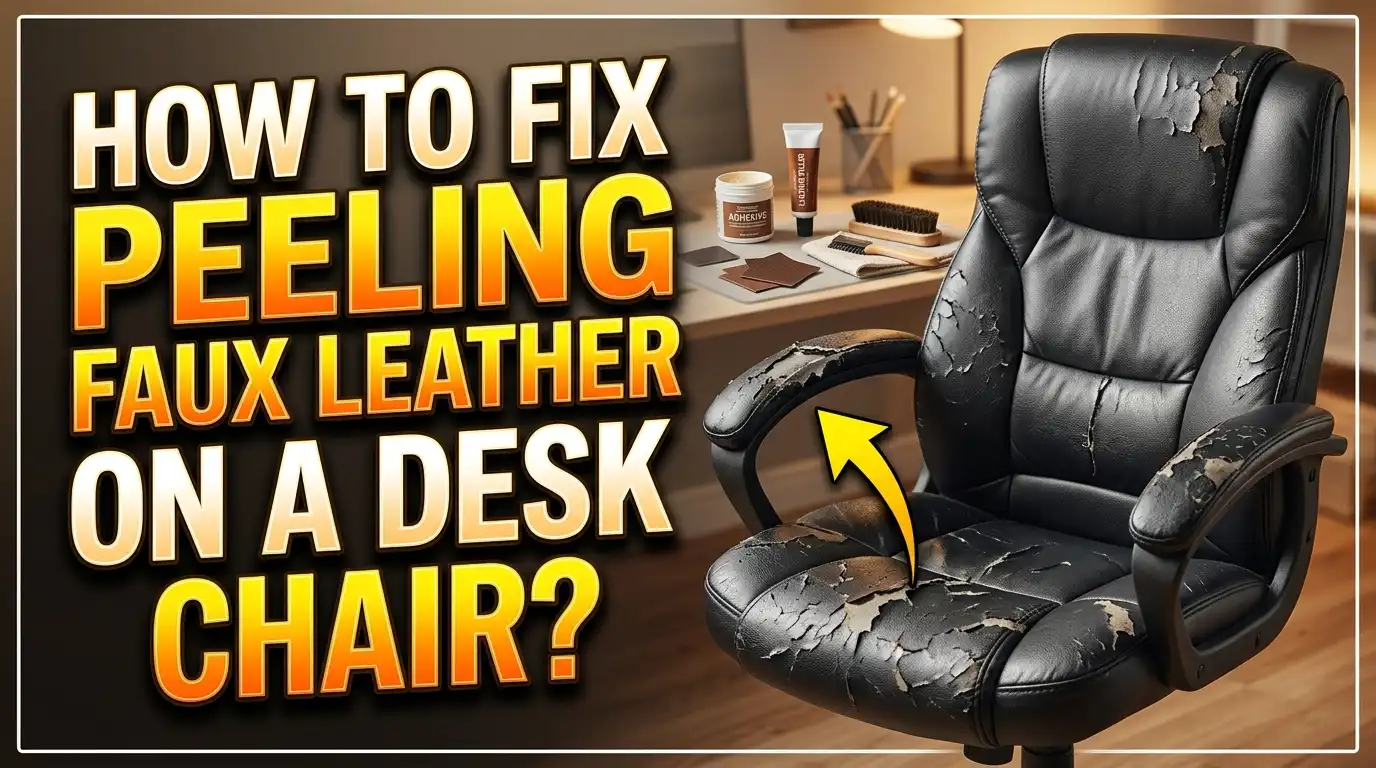
How To Fix Peeling Faux Leather On A Desk Chair?
Peeling faux leather is one of the most common complaints among office chair owners, and it can turn a once sleek looking chair into an eyesore almost overnight. The good news?
This guide walks you through every practical solution available, from quick cosmetic fixes to full restoration methods.
Each method includes clear steps, the tools you need, and honest pros and cons so you can pick the right approach with confidence.
Stick around, because by the end of this post, you will know how to make your desk chair look presentable again without spending a fortune.
Key Takeaways
- Faux leather peels because its polyurethane coating breaks down over time due to heat, moisture, friction, and UV exposure. This is a material limitation, not a defect you caused.
- Removing all loose and flaking material first is the most important prep step before any repair. Skipping this step causes new coatings and patches to fail quickly.
- Leather paint paired with a filler and topcoat offers one of the most effective and affordable DIY repairs for small to moderate peeling areas on desk chairs.
- Self adhesive leather repair patches work best for armrests and flat surfaces where you need a quick, mess free fix that holds up for months.
- Using a chair cover or slipcover is the fastest and easiest option if the peeling is widespread and you want an instant improvement without any repair work.
- Full reupholstering gives the longest lasting results but requires more time, tools, and skill. It is worth considering if the chair frame and mechanics are still in great shape.
Why Does Faux Leather Peel In The First Place
Faux leather is made by applying a polyurethane (PU) coating over a fabric base like polyester or cotton. This coating gives the material its smooth, leather like appearance. Over time, that thin PU layer starts to crack, dry out, and separate from the base fabric underneath.
Several factors speed up this breakdown. Direct sunlight is a major cause because UV rays weaken the chemical bonds in polyurethane. Heat from nearby radiators or warm rooms also dries out the material. Body oils, sweat, and moisture from daily sitting gradually eat away at the surface layer too.
Friction plays a big role as well. The areas where your body contacts the chair most, such as the seat, armrests, and lower backrest, tend to peel first. These high contact zones endure constant rubbing that wears down the PU coating faster than other areas.
Another often overlooked cause is cleaning with harsh chemicals. Products that contain alcohol, bleach, or strong solvents strip the protective finish right off faux leather. Even some household wipes can be too aggressive for this material.
It is also important to understand that faux leather has a limited lifespan by design. Most PU based faux leather on office chairs lasts between two and five years with regular use. Once peeling begins, it tends to spread quickly because the surrounding material is usually in a similar state of degradation.
Assess The Damage Before You Start
Before you grab any tools or supplies, take a few minutes to examine the full extent of the peeling. This step determines which repair method will give you the best results and saves you from wasting time on a fix that will not hold.
Start by running your hand across every surface of the chair, including the seat, backrest, armrests, and sides. Check for areas where the surface is bubbling or feels loose even if it has not started flaking yet. These spots are about to peel and should be included in your repair plan.
Classify the damage into one of three categories. Minor peeling means only a few small patches, usually on the armrests or seat edges. Moderate peeling covers larger sections but leaves some surfaces still intact. Severe peeling means the majority of the chair surface is flaking, crumbling, or already stripped down to the base fabric.
For minor peeling, a quick fix like leather paint or a patch will do the job. Moderate peeling may require a combination of filler, paint, and patches. Severe peeling usually calls for a chair cover or full reupholstery because surface repairs will not last long on material that has degraded throughout.
Also check the structural condition of the chair itself. If the frame, gas cylinder, wheels, and tilt mechanism all work fine, the chair is worth repairing. If the padding is flat and the frame wobbles, your money is better spent on a replacement.
Gather The Right Tools And Supplies
Having everything ready before you start makes the repair process smooth and prevents frustrating mid project trips to the store. The tools you need depend on which repair method you choose, but a basic kit covers most approaches.
For surface prep, you will need fine grit sandpaper (around 320 to 400 grit), a soft cloth, rubbing alcohol or a mild leather cleaner, and a plastic scraper or old credit card. These items help you remove loose material and create a clean surface for whatever comes next.
If you plan to use the leather paint method, pick up acrylic leather paint in a color that matches your chair, a leather filler compound, a small foam brush or sponge, and a clear matte or satin finish topcoat. These products are available at most craft stores and online retailers.
For the patch method, you will need self adhesive leather repair patches in the right color and size, sharp scissors, and optionally a small amount of contact adhesive for extra holding power. Measure the damaged areas before purchasing so you buy enough material.
If you are going the chair cover route, all you need is a stretch fabric office chair cover in the right size for your chair model. Most covers fit standard office chairs and install in under five minutes.
For a full reupholstery project, add a staple gun, staple remover, upholstery fabric or vinyl, and basic screwdrivers to your list. This method requires the most supplies but delivers the most lasting result.
Method 1: Repair With Leather Paint And Filler
This method is the most popular DIY fix for peeling faux leather desk chairs, and it works especially well on small to moderate areas of damage. The process involves removing loose material, filling gaps, applying colored paint, and sealing with a topcoat.
Step 1: Peel and scrape away all loose, flaking faux leather from the damaged area. Use a plastic scraper or your fingers. Do not leave any material that lifts or bubbles because new paint will not stick to it.
Step 2: Sand the exposed area lightly with fine grit sandpaper in small circular motions. This creates a slightly rough texture that helps the filler and paint bond to the surface. Wipe away all dust with a damp cloth.
Step 3: Clean the area with rubbing alcohol and let it dry completely. This removes body oils and residue that could prevent proper adhesion.
Step 4: Apply leather filler to any cracks, holes, or uneven spots using a small spatula or index card. Spread it thin and smooth, then let it dry for the time specified on the product label. Sand lightly after drying if needed.
Step 5: Brush on acrylic leather paint in thin, even coats. Use horizontal strokes and let each coat dry for at least 30 minutes before adding the next. Two to three coats typically provide good coverage.
Step 6: Finish with a thin layer of clear matte or satin topcoat to seal the paint and add durability.
Pros: Affordable, matches your chair color, and produces a smooth finish. Cons: Requires patience for multiple drying stages, and the repair may need touch ups every few months with heavy use.
Method 2: Apply Self Adhesive Leather Repair Patches
Self adhesive leather patches offer a fast and mess free solution for peeling areas, especially on armrests and seat edges. These patches come in rolls or pre cut sheets and stick directly to the chair surface.
Step 1: Remove all peeling and flaking material from the damaged area. Scrape off any loose bits until you reach a stable surface underneath. The patch needs a firm base to stick properly.
Step 2: Clean the surface thoroughly with rubbing alcohol or a mild cleaner. Any dirt, oil, or residue will weaken the adhesive bond and cause the patch to lift within days.
Step 3: Measure the damaged area and cut the patch about half an inch larger on each side. This overlap ensures full coverage and gives the adhesive more contact area.
Step 4: Peel the backing off the patch and press it firmly onto the chair surface starting from one edge. Smooth it outward with your hand or a flat tool to remove air bubbles. Apply firm pressure across the entire patch for at least 30 seconds.
Step 5: For curved areas like armrests, use a heat gun or hair dryer on low heat for a few seconds to soften the patch. This helps it conform to the shape without wrinkling or lifting at the edges.
For best results, round the corners of your patch with scissors before applying. Square corners tend to catch and peel up during use. You can also apply a thin line of fabric glue around the edges for extra security.
Pros: Quick installation, no drying time, and easy to replace when worn. Cons: Patches may not perfectly match the chair color or texture, and edges can lift over time on high friction areas.
Method 3: Use A Fabric Or Stretch Chair Cover
If the peeling covers large sections of your chair or you simply want the fastest possible fix, a chair cover solves the problem in minutes. Modern office chair covers are made from stretchy, breathable fabrics that wrap snugly around the seat and backrest.
Step 1: Remove as much loose, flaking material as possible before putting on the cover. This prevents lumps and ensures a smoother fit underneath.
Step 2: Select a cover designed for office or desk chairs. Check the sizing guide carefully because covers come in small, medium, and large to fit different chair dimensions. Some covers come in two pieces, one for the seat and one for the backrest.
Step 3: Slide the cover over the chair section, stretching it evenly across the surface. Most covers have elastic edges or drawstrings that hold them in place. Tuck any excess fabric into seams or under the chair base for a clean look.
This method is ideal for renters or anyone who does not want to invest time in detailed repair work. Covers come in dozens of colors and patterns, so you can actually upgrade the look of your chair while hiding the damage.
Pros: Extremely fast, no tools or skill required, affordable, washable, and available in many styles. Cons: Does not actually repair the underlying damage, may shift during use on some chair shapes, and adds a layer of fabric that changes the feel of the chair.
Keep in mind that the peeling will continue underneath the cover. This method is best viewed as a cosmetic solution rather than a permanent fix.
Method 4: Full Reupholstery With New Material
Reupholstering your desk chair gives you a brand new surface that can last for years. This method makes sense if your chair has a solid frame, comfortable padding, and working mechanical parts. It is more work than other fixes, but the result is worth it.
Step 1: Flip the chair over and remove the screws holding the seat to the base. Set the base aside. Do the same for the backrest if your chair allows it. Take photos of the assembly before you start so you can put everything back correctly.
Step 2: Use a staple remover or flat screwdriver to pull out all the staples holding the old faux leather to the seat and back panels. Peel off the old material completely and discard it.
Step 3: Use the old material as a template. Lay it flat on your new fabric or vinyl and trace around it, adding about two inches on each side for folding and stapling.
Step 4: Cut the new material with sharp scissors. Place the chair panel face down on the new fabric. Pull the fabric tight and staple it to the underside, starting from the center of each edge and working outward. Keep the tension even to avoid wrinkles.
Step 5: Fold corners neatly, trim any excess, and staple securely. Reassemble the chair by reattaching the seat and backrest to the frame.
Choose durable upholstery vinyl or high quality PU leather for the new covering. Fabric is another good option if you want to avoid the peeling issue entirely in the future.
Pros: Long lasting, completely removes all peeling material, and lets you choose any color or material. Cons: Requires tools and moderate DIY skill, takes one to two hours, and some chair designs are difficult to disassemble.
Method 5: Seal The Surface With Clear Coat
If the peeling has just started and the damage is very minor, applying a clear sealant can slow down further degradation and extend the life of the remaining faux leather. This method works as a preventive measure or early intervention.
Step 1: Remove any small bits of loose material and clean the entire chair surface with rubbing alcohol. Let it dry fully. Do not skip cleaning, because oils and dirt will prevent the sealant from bonding.
Step 2: Apply a thin coat of leather finisher or acrylic satin topcoat over the affected areas and surrounding surface. Use a foam brush or soft sponge and work in smooth, even strokes.
Step 3: Let the first coat dry for the recommended time, usually 30 to 60 minutes. Apply a second coat for extra protection. Allow the chair to cure for at least 24 hours before sitting on it.
This approach essentially creates a new protective barrier over the weakening PU surface. It bonds the remaining faux leather to the base and prevents moisture and oils from reaching the underlying adhesive layer.
Pros: Very quick, uses minimal supplies, and can delay further peeling for several months. Cons: Only works on early stage damage, does not fix areas already peeled, and provides a temporary solution rather than a permanent repair.
This method pairs well with other repairs. For example, you can use filler and paint on the worst spots and then seal the entire chair with a topcoat to protect both the repaired and intact areas.
How To Prepare The Chair Surface For Any Repair
Proper surface preparation is the foundation of every successful repair. Skipping this step is the number one reason DIY leather repairs fail. No matter which method you choose, the prep process is largely the same.
Start by removing every scrap of loose material. Pull off flakes, peel away bubbling sections, and scrape stubborn bits with a plastic scraper. Be thorough. If you leave unstable material underneath a patch or coat of paint, it will lift and fail within weeks.
Next, sand the area lightly with 320 to 400 grit sandpaper. You are not trying to remove material. You are creating a textured surface that gives paint, filler, and adhesive something to grip. Sand in small circles and apply gentle pressure.
After sanding, wipe the area clean with a lint free cloth dampened with rubbing alcohol. This step removes dust particles, body oils, and any cleaning product residue. Let the surface dry completely before moving on. Even a small amount of moisture can cause adhesion problems.
If you see exposed foam or padding through the peeled areas, do not panic. Most repair methods work fine over the base fabric that sits between the foam and the PU coating. The base fabric actually provides a good grip surface for paint and adhesive.
Finally, work in a well ventilated area if you plan to use paint, filler, or sealant. Open a window or set up a fan. Good ventilation helps products dry faster and keeps fumes from building up in your workspace.
Tips To Prevent Faux Leather From Peeling Again
Once you fix the peeling, you want to make sure it does not come back quickly. A few simple habits can significantly extend the life of your repaired or covered chair.
Keep your chair away from direct sunlight. UV rays break down polyurethane faster than almost anything else. If your desk sits near a window, close the blinds during peak sun hours or reposition the chair so it stays in the shade.
Clean the chair regularly with a mild soap and water solution. Use a soft cloth, wring it out well, and wipe the surface gently. Avoid harsh cleaners, alcohol based wipes, bleach, and ammonia products. These strip the protective coating and accelerate peeling.
Apply a vinyl or faux leather conditioner every two to three months. Conditioning products add a thin protective layer that keeps the material flexible and resistant to cracking. A small amount goes a long way, and the process takes just a few minutes.
Reduce friction on high contact areas by adjusting your sitting posture or adding a small cushion to the seat. Armrest covers are another simple solution that protects these vulnerable surfaces from constant rubbing.
Control the humidity and temperature in your workspace. Extremely dry air causes faux leather to crack, while excessive moisture weakens the adhesive bonding. A room temperature between 65 and 75 degrees Fahrenheit with moderate humidity is ideal.
If you reupholstered with new faux leather, consider choosing a higher grade PU material that resists wear better than budget options. Look for materials rated for commercial or automotive use, as these are built to handle daily friction and temperature changes.
When To Replace The Chair Instead Of Repairing It
Not every peeling desk chair is worth saving. Knowing when to walk away from a repair saves you time, money, and frustration. There are a few clear signs that replacement makes more sense than restoration.
If the padding is flat, hard, or lumpy, no amount of surface repair will make the chair comfortable again. Replacing the foam adds cost and complexity that often exceeds the value of the chair itself.
Check the gas cylinder that controls seat height. If the chair slowly sinks down on its own, the cylinder is worn out. Replacement cylinders are available, but adding that repair on top of a faux leather fix starts to add up financially.
A wobbly base or broken tilt mechanism is another sign the chair has reached the end of its useful life. Structural issues affect both safety and comfort, and they require parts that may not be available for older models.
Consider the original cost of the chair. If you paid under $100 for it and the repair supplies total $30 to $50, the math may not work in favor of fixing. That same money could go toward a new chair that comes with a fresh surface and working parts.
Your time has value too. A full reupholstery project takes one to two hours, and a paint repair with drying stages can stretch across an entire day. If you would rather spend that time on something else, a replacement chair could be the better choice.
That said, if the chair has a premium frame, ergonomic features, and sentimental value, repairing or reupholstering is almost always worthwhile. Good chair frames can last a decade or more with new covering.
Common Mistakes To Avoid During Faux Leather Repair
Even with the right tools and materials, a few common errors can ruin your repair job. Avoiding these mistakes saves you from having to redo the work and helps your fix last much longer.
The biggest mistake is not removing all loose material before starting. Many people try to paint or patch over flaking faux leather, and it falls apart within days. Every bit of unstable material must come off first, even if it means exposing a larger area than you expected.
Another frequent error is applying paint or filler too thickly. Thick layers crack as they dry and peel off under pressure. Always apply thin, even coats and build up gradually with multiple layers. Patience during this stage pays off with a smoother, more durable finish.
Skipping the cleaning step causes many adhesion failures. Body oils and dirt create an invisible barrier that prevents paint, filler, and patches from bonding to the surface. Always clean with rubbing alcohol and let the area dry before applying anything.
Using the wrong type of paint is another issue. Regular acrylic craft paint will flake off faux leather within a few uses. Use paint specifically formulated for leather and vinyl surfaces. These products are designed to flex with the material rather than crack under movement.
Not applying a topcoat or sealant after painting leaves the repair unprotected. The topcoat acts as a shield against friction, moisture, and body oils. Without it, your paint job wears away far too quickly.
Finally, rushing the drying process leads to poor results. Each layer of filler, paint, and topcoat needs its full drying time. Using the chair before everything has cured properly causes the repair to smudge, crack, or peel prematurely.
How Much Does It Cost To Fix A Peeling Faux Leather Chair
Budget is a big factor in choosing your repair approach. Here is a realistic breakdown of what each method costs so you can make an informed decision.
The leather paint and filler method is one of the most affordable options. A bottle of acrylic leather paint costs around $7 to $15, leather filler runs about $8 to $12, and a topcoat adds another $7 to $10. Total cost is roughly $22 to $37 depending on the brand and quantity you buy.
Self adhesive leather patches are even cheaper for small repairs. A roll or sheet large enough for armrest repairs costs about $8 to $20. If you need enough to cover larger areas, expect to spend $15 to $30. Add a tube of fabric glue for $5 if you want extra adhesion.
A stretch chair cover ranges from $12 to $30 for most standard office chairs. This is the lowest effort option with predictable results. Higher quality covers with thicker fabric or water resistant coatings may cost up to $40.
Full reupholstery costs more. Upholstery vinyl or faux leather fabric runs $10 to $25 per yard, and most chairs need about two to three yards. A staple gun costs $15 to $30 if you do not already own one. Total DIY reupholstery cost is typically $35 to $80.
Professional reupholstery is the most expensive option. Most upholstery shops charge $150 to $400 or more for an office chair, depending on the complexity and material choice. This makes sense mainly for high end ergonomic chairs that are expensive to replace.
Compare these costs against the price of a new chair in the same quality range. If your chair costs $200 or more to replace, even professional reupholstery can be a smart financial decision.
Frequently Asked Questions
Can You Stop Faux Leather From Peeling Once It Starts?
You cannot fully reverse the chemical breakdown that causes faux leather to peel. Once the polyurethane layer starts separating from the base fabric, the process will continue. However, you can slow it down significantly by removing damaged material, applying a sealant, and keeping the chair away from heat, sunlight, and harsh cleaners. Regular conditioning also helps maintain the remaining surface for longer.
How Long Will A Leather Paint Repair Last On A Desk Chair?
A properly applied leather paint repair typically lasts three to twelve months with daily use. The lifespan depends on how well you prepared the surface, how many coats you applied, and whether you sealed it with a topcoat. High friction areas like the seat center may need touch ups sooner. Armrests and backrests tend to hold up longer because they experience less continuous pressure.
Is It Worth Fixing A Cheap Desk Chair That Is Peeling?
It depends on the chair’s structural condition. If the frame, wheels, gas cylinder, and padding are all still in good shape, a $20 to $30 repair is worth it even on a budget chair. But if the chair also has flat cushions, a sinking seat, or a wobbly base, your money is better spent on a replacement. A chair cover for $15 can also buy you a few more months of use without any repair effort.
What Is The Fastest Way To Fix A Peeling Faux Leather Chair?
The fastest method is using a stretch chair cover, which takes less than five minutes to install. If you prefer an actual surface repair, self adhesive leather patches are the next quickest option. You can cut and apply a patch in about 10 to 15 minutes. The leather paint method is effective but requires several hours including drying time between coats.
Can You Use Regular Paint On Faux Leather?
Regular paint is not recommended for faux leather. Standard acrylic or latex paint does not flex with the material and will crack and flake off quickly, especially on a chair that gets sat on daily. Use acrylic leather paint or vinyl paint specifically made for flexible surfaces. These products are formulated to bend without cracking and bond properly to synthetic materials.
Does Faux Leather Conditioner Prevent Peeling?
Faux leather conditioner helps slow the peeling process but cannot prevent it entirely. Conditioners add a protective layer that keeps the surface flexible and shields it from moisture and UV damage. Applying conditioner every two to three months can extend your chair’s life noticeably. However, all faux leather eventually degrades because the polyurethane coating has a limited lifespan regardless of how well you maintain it.

Hi, I’m Clara! I started SitSmartGuide to help people find chairs that truly support their comfort and health — without the guesswork. After years of dealing with back pain from bad seating, I became obsessed with testing, researching, and reviewing chairs so you don’t have to learn the hard way.