How To Fix Scuff Marks On Metal Chair Legs?
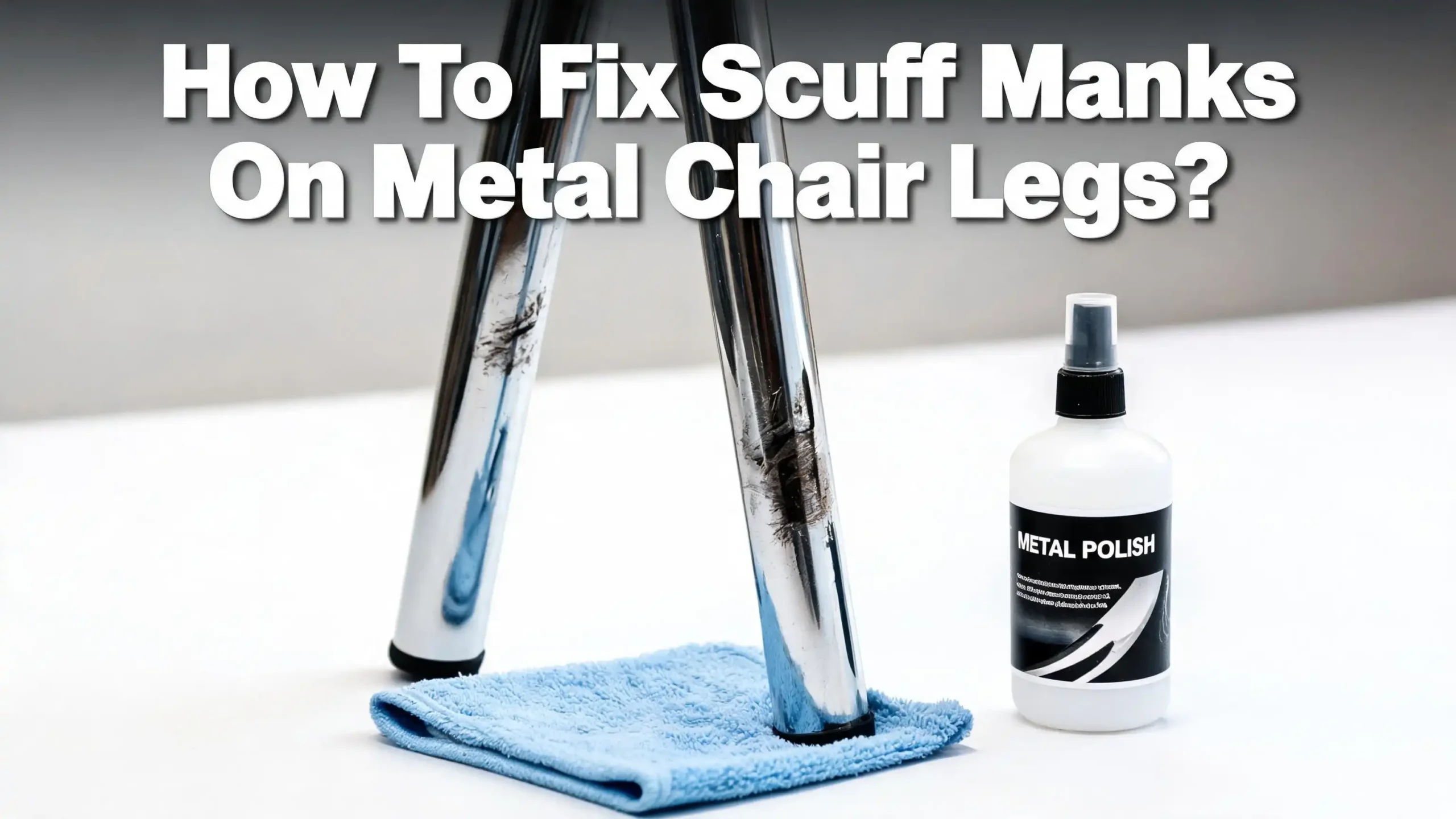
Metal chair legs add a sleek, modern look to any room. But over time, those once shiny legs pick up scuff marks, scratches, and wear that can make your furniture look old and tired.
The good news? You do not need to replace your chairs or hire a professional to fix the problem.
This guide walks you through simple, proven methods to remove scuff marks from metal chair legs and prevent them from coming back. Every solution here uses common household items or affordable supplies you can grab at any hardware store.
Key Takeaways
- Most scuff marks on metal chair legs are surface level and can be removed at home with items like baking soda paste, a magic eraser, or a microfiber cloth with mild cleaner. You rarely need professional help for everyday scuffs.
- Always identify the type of metal finish before starting any repair. Chrome, stainless steel, powder coated, and painted metal each require different cleaning methods. Using the wrong approach can cause more damage than the original scuff.
- Work in the direction of the metal grain whenever you buff or polish. Going against the grain creates new visible scratches and can ruin a brushed or satin finish permanently.
- Touch up paint is your best friend for deep scuffs that go through the color layer or expose bare metal. Use thin coats with a small brush, and match the color as closely as possible to the original finish.
- Prevention saves more time than repair. Felt pads, silicone caps, and rubber feet on metal chair legs drastically reduce scuff marks on both the chair legs and your floors.
- A light coat of automotive paste wax or clear coat after repair creates a protective barrier that resists future scuffs and keeps metal chair legs looking polished for months.
What Causes Scuff Marks On Metal Chair Legs
Understanding what causes scuff marks helps you choose the right repair method. Scuff marks on metal chair legs happen when another surface rubs against the metal and leaves behind material or removes part of the finish. This contact creates visible marks that range from faint smudges to deep scratches.
The most common cause is dragging chairs across the floor. When metal legs slide over tile, hardwood, or concrete, the friction transfers material between the two surfaces. Floor grit and tiny debris trapped under the legs act like sandpaper, grinding into the metal finish with every movement.
Stacking chairs is another major cause. Metal on metal contact during stacking and storage scrapes away paint and finish coatings. This is especially common with dining chairs and folding chairs that get stacked frequently. Shoes, bags, and other objects that bump against chair legs also leave rubber or plastic scuff marks on the surface.
Environmental factors play a role too. Moisture and humidity can weaken powder coat finishes over time, making them more prone to chipping and scuffing. Outdoor metal chairs face additional wear from sun exposure, rain, and temperature changes that break down protective coatings.
Even cleaning can cause scuff marks if you use abrasive sponges or harsh chemical cleaners on metal surfaces. Rough scrubbing pads scratch the finish and create fine lines that collect dirt and become more visible over time. Knowing these causes helps you pick the right fix and prevent future damage.
Identify Your Metal Finish Before Starting
Before you grab any cleaning supplies, take a moment to figure out what type of metal finish your chair legs have. Different finishes require different repair methods. Using the wrong technique can make scuff marks worse or damage the surface beyond simple repair.
Chrome finishes have a bright, mirror like reflective surface. They are common on retro dining chairs, bar stools, and modern furniture. Chrome is actually a thin plating over another metal, so aggressive scrubbing can remove the chrome layer entirely.
Brushed stainless steel has fine parallel lines running across the surface. It has a soft satin sheen rather than a mirror reflection. This finish hides fingerprints well but shows scratches that go against the grain direction. Always identify which way those lines run before you start any buffing.
Powder coated metal has a thick, durable colored finish that feels smooth and slightly textured. Most modern metal furniture uses powder coating because it resists chipping better than regular paint. However, once the powder coat gets scratched through, the bare metal underneath can start to oxidize.
Painted metal legs have a thinner finish than powder coated ones. You can sometimes see brush strokes or slight imperfections in the paint. Painted finishes scratch more easily but are also simpler to touch up at home with spray paint or a small brush.
Run your finger across the scuff mark. If your nail catches, the scuff goes deeper than the surface. If your finger glides over it smoothly, you are likely dealing with a surface transfer mark that will come off easily.
The Baking Soda Paste Method
Baking soda paste is one of the easiest and most effective ways to remove light scuff marks from metal chair legs. It works as a mild abrasive that lifts surface marks without damaging the underlying finish. This method works well on chrome, stainless steel, and painted metal surfaces.
Mix two parts baking soda with one part water in a small bowl until you get a thick, spreadable paste. The consistency should be similar to toothpaste. If the paste is too runny, add more baking soda. If it is too thick, add a few drops of water.
Apply the paste directly onto the scuff mark using a soft cloth or your finger. For brushed metal finishes, rub the paste gently in the direction of the grain lines. For chrome or smooth finishes, use small circular motions with light pressure. Do not press hard. Let the mild abrasive do the work for you.
Continue rubbing for about 30 seconds to one minute per scuff mark. You should see the mark start to fade as the baking soda lifts the transferred material from the surface. For stubborn marks, let the paste sit on the scuff for five minutes before rubbing again.
Wipe the area clean with a damp microfiber cloth and then dry it completely with a separate clean cloth. Inspect the area in good lighting. If some scuff remains, repeat the process one more time. Most light scuffs disappear completely after one or two applications of baking soda paste. This method is safe, affordable, and uses ingredients you likely already have in your kitchen.
Using A Magic Eraser For Surface Scuffs
A melamine foam sponge, commonly known as a magic eraser, is a quick and effective tool for removing surface level scuff marks from metal chair legs. The foam works like ultra fine sandpaper at a microscopic level, lifting away scuff material without scratching most metal finishes.
Wet the magic eraser with clean water and squeeze out the excess until it is damp but not dripping. A damp sponge works much better than a dry one because the water helps the melamine foam glide smoothly and reduces friction on the metal surface.
Gently rub the scuff mark with the damp magic eraser using light, even pressure. For most surface scuffs, you will see results within seconds. The foam picks up the transferred material from rubber shoes, plastic objects, or other surfaces that caused the mark. Avoid pressing too hard, especially on chrome or mirror finished surfaces, because the abrasive action can dull a high gloss finish if used aggressively.
This method works particularly well on powder coated and painted metal chair legs where rubber or shoe scuffs leave dark marks on lighter colored finishes. The magic eraser removes the transferred rubber without affecting the paint underneath.
After removing the scuff, wipe the area with a clean damp cloth to remove any melamine residue. Dry the surface completely. Inspect under good lighting to confirm the scuff is gone. If you notice any dullness on a glossy finish, a quick wipe with metal polish or a light spray of furniture polish will restore the shine. This is one of the fastest scuff removal methods and requires almost no setup or cleanup.
Rubbing Compound And Metal Polish Technique
For scuff marks that resist the baking soda method, a rubbing compound or dedicated metal polish delivers stronger results. These products contain fine abrasive particles that smooth out scratches and blend the repaired area with the surrounding finish. This method works best on chrome, brushed stainless steel, and polished metal legs.
Start by cleaning the scuffed area with warm soapy water and a soft cloth. Remove all dirt, grease, and debris before applying any polish. Leftover grit on the surface will scratch the metal during the buffing process. Dry the area completely.
Apply a small amount of metal polish or automotive rubbing compound to a clean microfiber cloth. Do not apply the product directly to the chair leg because this can cause uneven distribution and leave spots. A pea sized amount on the cloth is usually enough for one scuff mark.
Rub the compound into the scuff mark using consistent, directional strokes. On brushed finishes, always follow the grain direction. On smooth or chrome surfaces, use small circular motions. Apply moderate pressure and work the product into the surface for 30 to 60 seconds.
Wipe away the residue with a clean, dry microfiber cloth and inspect the area. The scuff should be significantly lighter or completely gone. For deeper marks, repeat the process two or three times. Each pass removes a tiny layer of material and smooths the surface further.
Finish by buffing the entire chair leg with a clean cloth to blend the treated area with the rest of the surface. This prevents the repaired spot from looking noticeably different. Metal polish also leaves a thin protective film that helps resist future scuffs.
Touch Up Paint For Deep Scuffs And Scratches
Some scuff marks go deep enough to remove the paint or finish layer from the metal. Touch up paint is the most effective repair method for these deeper scratches that expose bare metal or show a different color underneath the surface coating.
First, figure out the exact color of your chair legs. If you know the manufacturer, check their website for touch up paint kits in your specific color. Otherwise, remove a small detachable piece like a foot cap or glide and take it to a paint store for computer color matching. Getting the closest possible color match is the single most important step in this process.
Clean and degrease the scratched area with rubbing alcohol or acetone on a clean cloth. This removes oils, dirt, and anything that would prevent the paint from sticking. For scratches that reach bare metal, lightly sand the area with 320 grit sandpaper to create a smooth surface and remove any loose material. Wipe away the dust with a damp cloth.
Apply painter’s tape around the scratch to protect the surrounding finish. Use a small artist’s brush to apply thin coats of touch up paint. Thin coats are critical. One thick coat will drip, bubble, and look worse than the original scratch. Apply two to three thin layers, letting each dry completely before adding the next.
Remove the painter’s tape while the final coat is still slightly tacky for the cleanest edges. Allow the paint to cure fully for 24 hours before handling the chair. For extra durability, apply a thin layer of clear coat spray after the paint has dried. This adds UV protection and wear resistance to your repair.
The WD 40 Method For Rubber And Shoe Scuffs
WD 40 is surprisingly effective at removing rubber based scuff marks from metal chair legs. Those dark streaks left by shoe soles, rubber floor mats, or bumping into rubber objects dissolve quickly with this common household product. The solvent properties in WD 40 break down the rubber residue without harming most metal finishes.
Spray a small amount of WD 40 onto a clean cloth. Do not spray it directly onto the chair leg because overspray can get on your floor or upholstery and create a slippery, oily mess. A light application on the cloth gives you much better control over the process.
Rub the scuff mark gently with the damp cloth. You should see the dark rubber marks begin to transfer onto the cloth within seconds. For stubborn marks, let the WD 40 sit on the scuff for two to three minutes before wiping. This gives the solvent time to soften and dissolve the rubber residue.
After the scuff is gone, it is essential to clean the area thoroughly. Wipe down the treated spot with warm soapy water to remove all WD 40 residue. Then dry with a clean cloth. Skipping this cleanup step will leave an oily film that attracts dust and makes the metal look greasy.
This method works well on chrome, stainless steel, and painted metal surfaces. However, use caution on lacquered or clear coated finishes. Test a small hidden area first to make sure the WD 40 does not soften or cloud the clear coat. For most standard metal chair legs, this is a fast and reliable fix for rubber scuff marks.
Fixing Scuff Marks On Powder Coated Chair Legs
Powder coated metal chair legs have a thick, durable finish, but they are not immune to scuff marks. Repairing these scuffs requires a careful approach because powder coat is applied differently than regular paint and responds differently to repair methods.
For light surface scuffs, start with the simplest method. Wipe the scuff with a damp microfiber cloth and a small amount of mild dish soap. Many surface level marks on powder coated finishes are just material transfers that clean off easily. If that does not work, try a magic eraser or baking soda paste as described earlier.
For scuffs that go through the powder coat finish, you need to take a different approach. Clean nail polish in a matching color can serve as an effective touch up for small chips and deep scuffs on powder coated surfaces. Apply it with a thin brush in light layers. Nail polish is durable, dries quickly, and comes in hundreds of colors for easy matching.
For larger damaged areas, lightly sand the scuffed zone with 400 grit sandpaper to smooth out the rough edges. Clean the dust away and apply a matching spray paint formulated for metal surfaces. Apply multiple thin coats rather than one heavy coat. Let each layer dry for the recommended time on the spray can.
If your powder coated chairs have extensive damage across multiple areas, professional powder coating services can strip and recoat the entire piece. This typically costs between $100 and $300 per chair depending on size. Professional recoating makes chairs look factory new and can extend their life by a decade or more.
How To Buff Out Scuff Marks On Chrome Chair Legs
Chrome chair legs are beautiful when clean but show every scuff and fingerprint. Buffing out scuff marks on chrome requires a gentle touch because the chrome plating is thinner than most people realize. Aggressive cleaning methods can scratch through the plating and expose the base metal underneath.
For light scuffs, aluminum foil is a surprisingly effective chrome cleaner. Crumple a small piece of aluminum foil into a ball, dip it in water, and gently rub the scuffed area. The aluminum is softer than the chrome plating and will not scratch it, but it is hard enough to lift away scuff marks and light surface rust.
Another reliable method is using white toothpaste (not gel, not whitening formula) as a mild polishing compound. Apply a small amount to a soft cloth and rub the scuff mark in gentle circular motions. The fine abrasives in regular toothpaste are perfect for chrome surfaces. Wipe clean with a damp cloth and dry.
For more stubborn scuffs on chrome, use a dedicated chrome polish and a soft microfiber cloth. Apply the polish according to the product directions and buff in small sections. Chrome polish fills in micro scratches and leaves a protective barrier that makes future cleaning easier.
After removing the scuff marks, give the entire chrome leg a final buffing with a dry microfiber cloth. This evens out the shine and ensures the repaired area blends seamlessly with the rest of the leg. A thin coat of automotive chrome wax after buffing adds extra protection and gives the legs a deep, showroom quality shine.
Avoid using steel wool, abrasive scouring pads, or acidic cleaners on chrome. These will permanently damage the plating and create dull spots that cannot be repaired without professional rechroming.
Preventing Scuff Marks On Metal Chair Legs
Prevention is always easier and cheaper than repair. A few simple habits and inexpensive accessories can keep your metal chair legs scuff free for years. These protective measures also prevent your chair legs from scuffing up your floors.
Attach felt pads to the bottom of each chair leg. Felt pads create a soft barrier between the metal and the floor, reducing friction and preventing material transfer in both directions. Replace them every few months because worn felt pads lose their protective ability and can trap grit that causes more scratches.
Silicone chair leg caps are another excellent option. These rubber like covers fit over the bottom of metal legs and stay in place much longer than adhesive felt pads. They are especially useful for chairs that get moved frequently because they grip the leg securely and do not slide off during use.
Lift your chairs instead of dragging them. This single habit prevents more scuff marks than any other protective measure. Dragging metal legs across hard floors is the number one cause of scuffs on both the chair and the floor surface.
Apply a thin coat of automotive paste wax to your metal chair legs once or twice a year. The wax creates an invisible protective barrier that resists scuff marks, makes existing marks easier to clean, and adds a subtle shine to the metal surface.
When stacking metal chairs for storage, place a cloth or towel between each chair to prevent metal on metal contact. This simple step eliminates the scratches and scuffs that commonly appear on stacked furniture. These small preventive actions save significant repair time and keep your chairs looking great.
Common Mistakes To Avoid When Fixing Scuff Marks
Many people accidentally make scuff marks worse by using the wrong tools or techniques. Knowing what to avoid is just as important as knowing what to do. Here are the most common mistakes and how to steer clear of them.
Using abrasive scouring pads on polished surfaces is a frequent mistake. Green Scotch Brite pads and similar abrasive sponges are too rough for chrome, polished stainless steel, and most painted finishes. They create hundreds of tiny scratches that dull the surface and make it look worse than the original scuff.
Rubbing against the grain on brushed metal finishes creates visible cross grain scratches that stand out even more than the original scuff mark. Always identify the grain direction first and work parallel to those lines. This is one mistake that is very difficult to undo once it happens.
Skipping the cleaning step before repair is another common error. Dirt, dust, and grit on the surface act like sandpaper when you start rubbing. Always clean and dry the area thoroughly before attempting any scuff removal. This one step prevents most accidental damage during the repair process.
Applying touch up paint too thickly causes drips, bubbles, and an uneven finish that looks worse than the scratch you are trying to fix. Patience with thin layers produces far better results. Let each coat dry fully before adding the next one.
Using random household cleaners without testing first can damage metal finishes. Bleach, ammonia based cleaners, and acidic products can discolor or corrode certain metals. Always test any cleaning product on a small, hidden area of the chair leg before applying it to a visible spot. Taking these precautions protects your furniture and ensures a successful repair.
When To Call A Professional For Help
While most scuff marks can be fixed at home, some situations call for professional expertise. Knowing when to hand the job over to a specialist saves you time and prevents further damage to your furniture.
If scratches have gone through the chrome plating and exposed the base metal underneath, professional rechroming is the only true fix. Home repairs can mask the damage temporarily, but exposed base metal under chrome will eventually corrode and spread. A professional chrome shop can strip and replate the legs for a like new result.
Extensive damage across large areas of a powder coated finish often looks patchy with DIY touch ups. When scuff marks cover a significant portion of the chair legs, professional sandblasting and recoating produces a uniform factory quality finish that spot repairs cannot match.
Custom colored or specialty finishes can be difficult to match with off the shelf touch up paints. If your chairs have a unique color, metallic finish, or textured coating, a furniture restoration professional has access to custom color matching equipment and specialized coatings that are not available at retail stores.
High value or antique metal furniture deserves professional attention. An incorrect repair method on a valuable piece can reduce its worth significantly. A restoration specialist understands how to preserve the original character of the piece while making necessary repairs.
If you have tried multiple home repair methods and the scuffs remain visible, a professional can assess the damage and recommend the most effective solution. Most furniture restoration shops offer free consultations and can give you an honest estimate before you commit to any work. The investment in professional repair often pays for itself by extending the life and beauty of quality metal furniture.
FAQs
Can I use vinegar to clean scuff marks off metal chair legs?
Yes, a solution of equal parts white vinegar and water works well for cleaning light scuff marks on stainless steel and chrome. Apply it with a soft cloth, rub gently, and wipe dry. Avoid using vinegar on painted or powder coated finishes because the acid can soften or dull those coatings over time. Always rinse with plain water after using vinegar.
How often should I replace felt pads on metal chair legs?
Check your felt pads every two to three months and replace them when they become thin, worn, or start to peel away. Worn felt pads lose their protective ability and can trap small debris particles that actually cause more scuffing. Fresh pads provide the best protection for both your chair legs and your floors.
Will toothpaste remove scuff marks from metal chair legs?
Regular white toothpaste (not gel and not whitening formulas) can remove light surface scuffs from chrome and polished metal. It works as a mild abrasive similar to baking soda paste. Apply a small amount to a soft cloth and rub gently. Wipe clean and dry. Toothpaste is not effective for deep scratches that go through the finish layer.
Can I spray paint over scuff marks on metal chair legs?
Yes, spray painting is effective for covering deep scuffs on painted or powder coated metal legs. Clean and lightly sand the area first, then apply multiple thin coats of matching spray paint. Use a metal primer on any bare metal spots before painting. Allow full drying time between coats for the best results.
Do scuff marks on metal chair legs cause rust?
Surface scuffs that only affect the top finish layer generally do not cause rust. However, deep scratches that expose bare steel or iron can lead to rust if moisture reaches the exposed metal. Promptly repairing deep scuffs with touch up paint or clear coat prevents moisture from causing corrosion and rust damage.
What is the fastest way to remove a rubber scuff mark from metal?
A damp magic eraser is the fastest method for most rubber scuffs. Simply wet the sponge, squeeze out the excess water, and rub the mark lightly. Most rubber scuffs disappear in under 30 seconds. For very stubborn rubber marks, a small amount of WD 40 on a cloth dissolves the residue quickly. Clean the area with soapy water afterward.

Hi, I’m Clara! I started SitSmartGuide to help people find chairs that truly support their comfort and health — without the guesswork. After years of dealing with back pain from bad seating, I became obsessed with testing, researching, and reviewing chairs so you don’t have to learn the hard way.