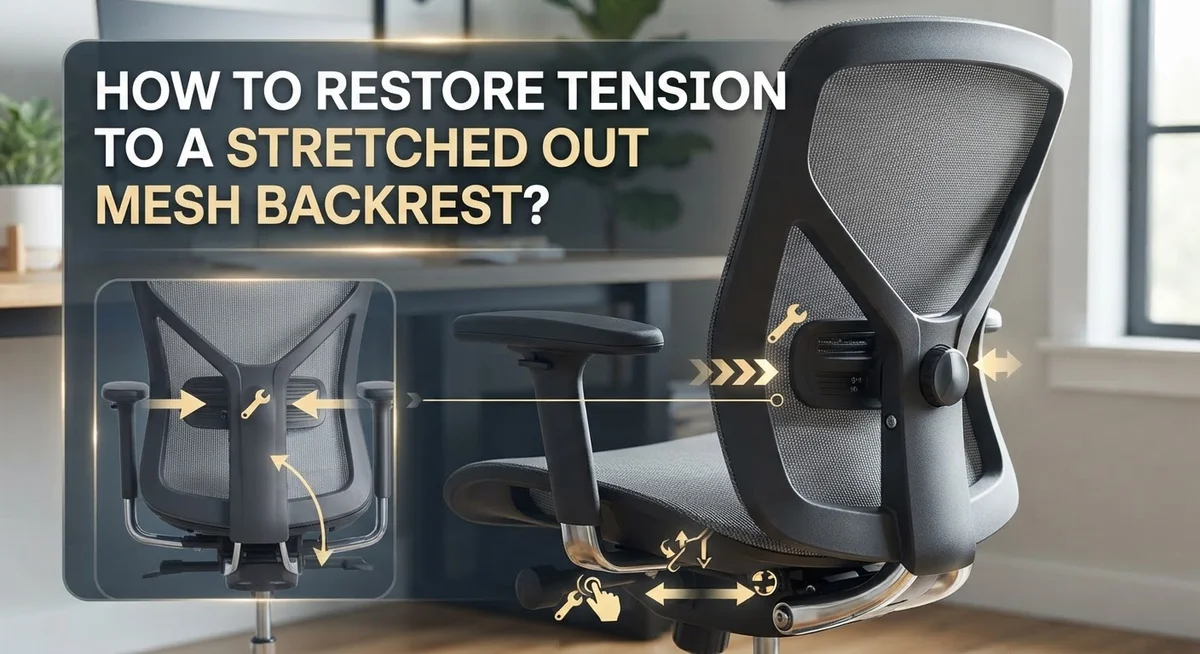
How to Restore Tension to a Stretched Out Mesh Backrest?
Does your office chair feel a little too relaxed these days? Mesh backrests often lose their snap over time. The fibers stretch out, and your lumbar support seems to disappear.
This happens to almost every mesh chair eventually. The good news is that you can often fix this problem yourself. A few simple checks can bring back much of that lost support.
Loose bolts are usually the real culprit behind a sagging backrest. Many people blame the mesh itself, but the frame often needs attention first. Tightening these connections can make a surprising difference.
We will walk you through checking your frame, adjusting your spring mechanism, and giving the material time to recover. You will also learn which mistakes make sagging worse.
By the end, you will know exactly how to restore comfort and support to your chair. Let us get your backrest working properly again.
In a Nutshell
Check your bolts first. Loose bolts are the number one reason your backrest feels weak. Tighten every screw on the frame before you do anything else.
Inspect the spring mechanism. Your adjustment knob controls tension, but it cannot fix a worn spring. Turn the knob and see if support actually improves.
Give the mesh time to recover. Polymer fibers sometimes bounce back after you tighten the frame. Wait a day or two before judging the results.
Avoid over-tightening. Cranking the tension knob too hard can stress the frame. This causes more wobbling instead of solving it.
Know the limits of DIY fixes. Mesh that has stretched too far often will not snap back. Severe sagging usually means the material has broken down for good.
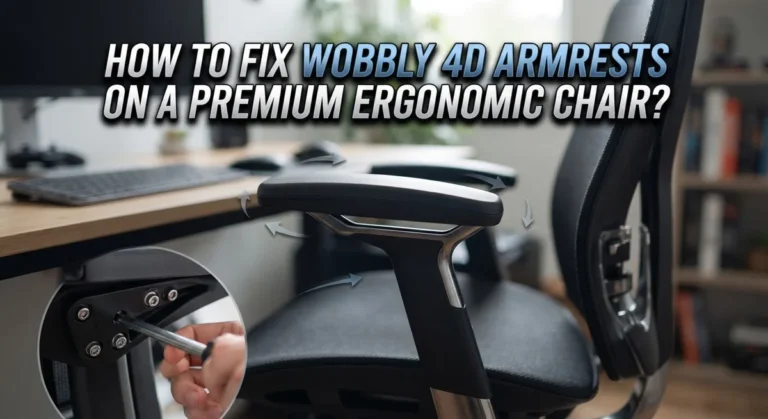
Watch your armrests too. Wobbly armrests often signal the same loose bolt problem. Fixing one issue often helps the other.
Why Mesh Backrests Lose Tension Over Time
Mesh backrests lose tension because the polymer fibers that make up the mesh gradually stretch over time. These fibers are elastic materials designed to flex and support your body weight. With repeated use, they slowly lose their ability to spring back to their original shape.
The main culprit behind sagging is usually loose bolts. The frame holds the mesh tight, and when bolts loosen even slightly, the entire backrest loses its structural support. This looseness allows the mesh to sag forward or sideways, reducing lumbar support and making the chair feel uncomfortable.
Weight and regular use accelerate this process. Every time you sit, lean back, or shift your weight, the mesh stretches a little more. Over months and years, these small stretches add up. The polymer fibers eventually reach a point where they cannot fully recover their tension.
Environmental factors also play a role. Heat, humidity, and sunlight can weaken polymer materials. If your chair sits near a window or in a warm room, the mesh may lose elasticity faster than expected.
The spring mechanism inside the backrest also wears down. Springs lose their strength over time, especially if you frequently adjust the tension knob. A worn spring cannot maintain tension even when the knob is fully tightened.
Frame flex is another hidden problem. If the chair’s frame itself bends or warps, it cannot hold the mesh tight. This structural issue makes the backrest feel loose no matter how many bolts you tighten.
Understanding these causes helps you know what to fix first. Most tension loss comes from loose bolts rather than permanent damage to the mesh itself.
Signs Your Mesh Backrest Needs Attention
Your mesh backrest will show you clear warning signs when it needs attention. The most obvious signal is visible sagging. When you sit down, the mesh should feel firm and supportive. If it sags deeply or feels loose, tension has been lost.
You might notice reduced lumbar support. Your lower back no longer feels the proper cushioning it once did. This happens because stretched mesh cannot hold its shape anymore.
Pay attention to how the backrest feels when you recline. A healthy backrest resists your movement smoothly. A worn one feels mushy or offers little resistance. You may even hear creaking sounds when you shift your weight, which signals frame or bolt problems.
Check if the backrest moves side to side. Grab the top edge and try to wiggle it gently. Any lateral movement means bolts are loose or the frame has flex issues.
Look for visible wear on the mesh itself. Small tears, permanent wrinkles, or discolored patches indicate the material is breaking down. The mesh may also feel sticky or rough instead of smooth.
Your adjustment knob is another clue. If turning it does not change the backrest tension at all, the spring mechanism is likely worn out or bolts are too loose.
Armrest wobbling often accompanies backrest problems. If your armrests move when you rest your arms on them, the same loose bolts affecting your backrest are probably responsible.
Finally, notice any pain or discomfort in your lower back after sitting. This is your body telling you the chair no longer provides proper support. These signs mean your mesh backrest deserves immediate inspection and adjustment.
Step-by-Step: Tightening Frame Bolts and Hardware
Start by gathering the right tools. You will need an adjustable wrench, socket set, and possibly a screwdriver. These items let you access every bolt on your chair’s frame without damage.
Locate all frame bolts first. Most mesh backrests have bolts where the backrest connects to the seat base. Check the sides, back, and underneath the chair. Some bolts hide under plastic covers or caps. Gently pry these covers off to access the hardware underneath.
Begin tightening bolts systematically. Start from the top of the backrest and work downward. Turn each bolt clockwise in quarter turn increments. Do not crank hard on the first pass. You want to apply even pressure across all connection points.
Check for frame flex as you tighten. Push gently on the backrest while working. The frame should feel solid and stable. If the frame still bends or moves, continue tightening. A flexible frame cannot hold mesh tension properly.
Inspect bolts on the armrest connections too. Loose armrests often signal the same bolt problems affecting your backrest. Tighten these bolts using the same quarter turn method.
After tightening all hardware, test the tension. Sit in the chair and recline slightly. The backrest should feel firm and supportive. If it still feels loose, wait a few hours before testing again. Polymer fibers sometimes need recovery time after frame adjustments.
Return to check bolts periodically. Bolts can loosen again after regular use. Monthly inspections prevent progressive sagging. Catching loose bolts early keeps your backrest supportive longer and reduces the need for major repairs later.
Checking and Adjusting the Backrest Spring Mechanism
The spring mechanism inside your mesh backrest controls how much tension the mesh maintains. This mechanism works like a lever system that pulls the mesh tight against the frame. Over time, springs weaken and adjustment knobs become less effective at holding tension.
Start by locating the adjustment knob on your backrest. This is usually a dial or lever positioned on the side or bottom of the backrest. Turn it slowly clockwise to increase tension. You should feel resistance as the spring tightens.
Check the spring itself for visible damage. Look behind the mesh or underneath the backrest for the metal spring component. If the spring appears bent, cracked, or permanently deformed, tightening alone won’t solve your problem. A damaged spring has lost its ability to bounce back.
Test the tension gradually. Turn the knob a quarter turn, then sit and feel the difference. Repeat this process until the backrest feels supportive again. Avoid cranking it all the way in one motion, as this can stress the frame connections.
Pay attention to how the frame responds. If the backrest frame flexes or bends when you increase tension, the bolts likely need tightening first. A flexible frame cannot hold tension properly, no matter how much you adjust the spring mechanism.
Allow the mesh time to recover after adjusting. Polymer fibers need a few hours to settle into their new position. The backrest may feel slightly better each day as the material adjusts.
If the knob turns freely without building tension, the spring mechanism may be completely worn out. This typically means replacement is necessary rather than restoration.
Giving Polymer Fibers Time to Recover
Polymer fibers in mesh backrests need time to recover their original shape after you tighten them. This recovery process is real and works better than you might think.
When mesh stretches, the fibers lose their elasticity temporarily. Tightening the bolts and adjusting the spring mechanism puts tension back on these fibers. However, they don’t snap back instantly. The fibers need hours or even days to fully regain their shape and firmness.
After you finish tightening all the hardware, resist the urge to sit in the chair immediately. Let the backrest sit undisturbed for at least 24 hours. This waiting period allows the polymer material to settle and adjust to the new tension you’ve applied.
During this recovery time, the mesh fibers gradually reorient themselves. They align back into their original pattern. The tension you created with your adjustments becomes more permanent as the material memory kicks in.
You’ll notice a real difference when you return to the chair. The backrest will feel firmer and more supportive than it did right after you tightened everything. This improvement continues for a few days as recovery completes.
Keep the chair unoccupied during this period. Sitting on it too soon can undo your work and prevent proper recovery. The fibers need to stabilize without the weight and movement that daily use creates.
If the backrest still feels loose after three days of recovery time, the fibers may be permanently damaged. In that case, the mesh material itself may need replacement rather than adjustment. Regular maintenance prevents reaching this point, so check your bolts every few months to catch problems early.
Ongoing Maintenance to Prevent Future Sagging
Regular maintenance stops your mesh backrest from sagging again. Once you’ve restored tension, staying on top of small issues prevents major problems later.
Check your frame bolts every month. Loose bolts are the main culprit behind sagging backrests. Spend five minutes tightening them before they become a real problem. This simple habit saves you from repeating the entire restoration process.
Keep an eye on your adjustment knob. Turn it gently each week to ensure it still moves smoothly. If it starts feeling stiff or gritty, the spring mechanism may need attention soon. Catch this early before the tension drops completely.
Inspect the mesh itself regularly for signs of wear. Look for tears, pilling, or areas where fibers seem extra loose. Small damage spreads quickly, so addressing it fast prevents bigger restoration work down the road.
Distribute your weight evenly when sitting. Leaning heavily to one side stresses certain areas of the backrest and causes uneven stretching. Good posture protects your mesh from premature sagging.
Clean your backrest monthly with a soft brush. Dust and debris can hide damage and make bolts harder to access. A quick cleaning keeps everything visible and accessible.
Avoid sitting in the same spot constantly. If possible, rotate between different chairs or adjust your seating position. This spreads wear across the entire mesh surface instead of concentrating stress in one area.
Don’t wait until tension is completely gone to act. Small tightening sessions prevent the mesh from stretching too far. Your backrest will maintain its support longer and feel more comfortable throughout its lifespan.
Common Mistakes That Worsen Mesh Sagging
People often make mistakes that make mesh sagging worse instead of better. Understanding these errors helps you avoid them.
The biggest mistake is ignoring loose bolts entirely. Many people focus only on the adjustment knob and forget that frame bolts hold everything together. Loose bolts let the frame flex and move, which stretches the mesh even more. Check every bolt on your backrest before you adjust anything else.
Another common error is over tightening the adjustment mechanism without checking if the frame is stable first. You twist the knob harder and harder, hoping the mesh will tighten. But if your frame bolts are loose, all that tension goes nowhere. The frame bends instead of the mesh staying firm.
People also assume that worn springs can be fully restored with tightening alone. A spring that has lost its strength needs more than a quick adjustment. Tightening a weak spring won’t give you back the support you lost. Sometimes the spring simply cannot bounce back.
Sitting in the chair immediately after tightening is another mistake. Your mesh needs recovery time to let the fibers reset properly. Jumping into the chair right away undoes all your work. The fibers need at least three days without weight pressing on them.
Finally, many people wait too long before taking action. They notice the backrest getting softer and softer but do nothing. By the time they act, the damage may be permanent. Regular monthly checks catch loose bolts early.
Start with frame bolts, check your spring, and give the mesh recovery time. These steps prevent costly mistakes that make sagging worse.
Troubleshooting Persistent Tension Problems
When your mesh backrest still feels loose after you’ve tightened bolts and adjusted knobs, you need to identify what’s actually causing the problem. Persistent tension issues often point to deeper frame problems that simple adjustments won’t fix.
Start by examining your frame structure carefully. Flex the frame gently with your hands to check for movement or wobbling. A frame that bends or shifts means the bolts alone can’t restore proper tension. Your mesh backrest anchors to this frame, so frame instability directly causes sagging.
Next, inspect your spring mechanism closely. Look underneath the backrest where springs connect to the frame. Springs wear out over time and lose their ability to push back. If your springs appear compressed, bent, or damaged, they may need replacement rather than adjustment.
Check your adjustment knob by turning it through its full range. It should move smoothly without grinding sounds. Grinding indicates internal wear that prevents proper tension control. A worn knob mechanism can’t hold tension effectively even when tightened.
If problems persist after these checks, the mesh itself may be permanently stretched. Polymer fibers have limits to how much they can recover. Severely stretched mesh loses its structural integrity and won’t respond to tightening.
Document what you find during inspection. Note whether the frame is stable, springs look functional, and the knob operates smoothly. This information helps you decide whether maintenance will solve your problem or if replacement parts are necessary.
Don’t assume one issue causes everything. Often multiple factors work together to create persistent sagging. Address each component systematically to pinpoint the real culprit behind your tension problems.
Final Thoughts
Restoring tension to a stretched mesh backrest takes patience and the right approach. You now know the basic steps. Tighten bolts first. Check the spring mechanism next. Give the fibers time to recover.
Small actions make a big difference here. A loose bolt seems minor, but it causes bigger problems over time. Fixing it early saves you from bigger headaches later.
Remember that mesh has limits. Polymer fibers stretch and lose elasticity naturally. This happens to every chair eventually, no matter how well you care for it.
Your effort matters, but it has boundaries too. You can restore some tension through proper adjustment. You cannot reverse fiber damage that has already happened. Knowing this difference helps you set realistic expectations.
Regular maintenance remains your best defense against future sagging. Check bolts monthly. Test your adjustment knob weekly. Watch for early warning signs before they become serious issues.
If your backrest still feels loose after trying these fixes, don’t get frustrated. This often means the mesh has reached its natural limit. That’s not a failure on your part.
Sometimes replacement becomes the practical choice. A chair with permanently stretched mesh cannot give you proper support anymore. Recognizing this fact helps you make good decisions for your comfort and health.
Take these steps one at a time. Don’t rush the process. Give each adjustment time to work before moving to the next step.
Your back deserves proper support. Whether you restore your current mesh or eventually replace it, understanding these principles helps you make smart choices for lasting comfort.
Frequently Asked Questions
Why does my mesh backrest feel loose even after I tighten the bolts?
Loose bolts are often the first culprit, but they’re not always the only problem. Your frame itself might flex or bend when you sit down. Check if the frame moves side to side or bends backward. If it does, the bolts alone won’t fix the issue. You may need to inspect the frame joints and ensure they’re solid and stable before adjusting anything else.
Can I restore a mesh backrest that’s permanently stretched?
Polymer fibers have limits to how much they can bounce back. If your mesh has been stretched for a long time, tightening bolts and adjusting knobs may not fully restore it. The material itself may have lost its elasticity permanently. In these cases, replacement becomes a more practical solution than restoration.
What’s the difference between a loose bolt and a worn spring?
A loose bolt causes immediate sagging and usually fixes quickly with a wrench. A worn spring loses its ability to push back against pressure over time. Tightening the adjustment knob alone won’t help if the spring is worn out. You’ll need to inspect the spring mechanism to see if it moves smoothly and returns to its original position.
How long should I wait after tightening before I sit in the chair?
Allow the mesh and frame about 15 to 30 minutes of rest time. This gives the polymer fibers a chance to recover and settle into their new position. Sitting immediately after tightening can undo your work and compress the mesh back down before it stabilizes.
Should I tighten all bolts equally or focus on specific ones?
Tighten all bolts evenly in small turns. Going around the backrest in a circular pattern prevents uneven tension. Uneven tightening can cause the frame to warp or the mesh to sag on one side.

Hi, I’m Clara! I started SitSmartGuide to help people find chairs that truly support their comfort and health — without the guesswork. After years of dealing with back pain from bad seating, I became obsessed with testing, researching, and reviewing chairs so you don’t have to learn the hard way.