How to Recycle an Old Office Chair Responsibly?
Your old office chair may look like one item, but it is really a mix of metal, plastic, foam, fabric, wood, and moving parts. That mix makes disposal tricky. Many people place the whole chair by the curb and hope for the best.
The good news is that you have better options. You can donate a usable chair, give it away, take it to a bulky item service, remove recyclable parts, or repurpose strong pieces at home.
In this guide, you will learn the safest and easiest way to choose the right path for your chair. You will also learn what to avoid, which parts may be recyclable, and how to keep the process simple, clean, and responsible.
In a Nutshell
- Start with reuse before recycling. A chair that still rolls, lifts, and supports weight should get a second life first. Donation, local giveaway groups, office reuse rooms, and furniture banks often beat recycling because they keep the full item in use and reduce waste fast.
- Do not place a whole office chair in your curbside recycling bin. Most curbside programs accept common containers, paper, and cardboard. A mixed material chair does not fit that system. If you toss it in anyway, you may create contamination and slow down sorting.
- Check the chair part by part. The base, bolts, frame, and some mechanisms often contain recyclable metal. Casters, foam, fabric, bonded wood, and mixed plastics are harder to recycle. A quick check helps you avoid false hope and saves time at drop off sites.
- Use local services in the right order. Try donation first if the chair is clean and safe. Try sale or free pickup next. If the chair is broken, ask your city about bulky item pickup or a recycling center that accepts scrap metal and mixed furniture parts. Local rules matter most.
- Treat the gas lift cylinder with care. Many office chairs have a pressurized cylinder. You should not crush, cut, drill, or burn it. If you disassemble the chair, remove the cylinder carefully and ask your local scrap or waste site how they want it handled.
- Be realistic about what can and cannot be recycled. Metal is usually the easiest win. Foam, fabric, mesh, glued wood, and some molded plastic parts may still need disposal. That does not mean you failed. A responsible job means reusing what you can, recycling what is accepted, and discarding the rest safely.
Why Office Chairs Are Hard to Recycle
An office chair looks simple, but it is built from many materials that are joined tightly. A single chair may include steel, aluminum, nylon, polypropylene, foam, mesh, fabric, leather, plywood, and adhesives. Recycling centers like clean and sorted material streams. Chairs are the opposite of that.
This is why a whole chair usually does not belong in a curbside recycling bin. Most household recycling systems are built for bottles, cans, paper, and cardboard. A bulky chair can jam equipment, and mixed parts are hard for workers to sort. That is why local programs often reject them.
Many chair makers publish disassembly sheets for end of life handling. Those guides often show a short sequence that starts with casters, base, cylinder, and mechanism removal. That tells you something useful. The chair becomes more recyclable only after you break it into clear material groups.
Pros of learning this first are simple. You save time, avoid wishful recycling, and choose a method that actually works. Cons are also real. It may mean extra effort, extra calls, or a trip to more than one location.
Still, this first step matters. If you understand why chairs are hard to recycle, you make better choices right away. You stop treating the chair like one object and start treating it like a small group of reusable and recyclable parts. That shift makes the rest of the process far easier.
Check if Your Chair Still Has Useful Life
Before you think about recycling, ask one clear question. Can someone still use this chair safely? If the answer is yes, reuse is usually the best result. A chair that still supports weight, rolls well, and adjusts with no major damage should stay in use if possible.
Start with the base. Make sure it is stable and does not crack under pressure. Check the seat and back for loose screws or sharp edges. Test the gas lift. If the chair sinks fast, that is a repair issue, but some people still accept chairs with a weak lift for light use. Look at the casters and armrests too.
A usable chair has value even if it looks plain. Students, home workers, hobby rooms, garages, and small start up spaces often need a basic chair. A quick clean can change how people see it. A chair does not need to look new to be worth saving.
Pros of reuse are strong. You keep a full item out of landfill, help someone else, and avoid dismantling work. Cons include the need to inspect honestly. A broken chair with a bad base or damaged structure should not be passed on.
If the chair fails the safety test, do not force a reuse plan. Responsible disposal means being fair to the next person. If it passes, move to cleaning and preparation. A safe chair has the best chance of being donated, gifted, or sold quickly.
Clean and Inspect the Chair Before You Choose a Path
A dirty chair gets rejected more often. A clean chair gets noticed. This step is simple, but it changes your options a lot. Wipe hard surfaces with mild soap and water. Vacuum fabric, mesh, and seams. Remove hair and dust from casters. Tighten visible screws if they are loose.
As you clean, inspect the chair more closely. Look for cracks in the plastic base. Check whether the seat plate is secure. Test the recline and tilt lock. Notice odors, stains, pet damage, and mold. These details matter because donation centers and pickup services often accept only clean and gently used furniture.
This is also the best time to sort the chair into one of three groups. Group one is ready for reuse. Group two needs minor repair before reuse. Group three is best for part removal or disposal. A five minute inspection can save hours later.
Pros of cleaning first are clear. You improve the chance of donation, you see hidden damage, and you make the chair nicer for the next person or for yourself during disassembly. Cons are minor. It takes a little time, and deep stains may not come out.
If you skip this step, you may post a chair online and get no replies. You may drive to a donation site and get turned away. Or you may miss a crack that makes the chair unsafe. A clean and inspected chair gives you a smart starting point and helps you choose the next move with confidence.
Donate the Chair if It Is Safe and Clean
Donation is often the best option for a chair that still works. Reuse keeps the full product in service. It also saves materials, energy, and disposal effort. Many reuse stores, furniture banks, schools, churches, and local charities accept gently used furniture. Some Habitat ReStore locations also accept furniture donations, and many locations offer pickup for large items.
Call before you go. Donation rules vary by site. One place may accept office chairs, while another may refuse them due to space, condition rules, or low demand. Ask direct questions. Is the chair clean? Does it need to be fully working? Do they accept fabric seating? Do they offer pickup?
Take clear photos before you contact them. Show the front, back, seat, and base. Mention any flaw up front. Honesty saves time for everyone. If the chair needs a tiny fix, such as a missing caster cap, decide if the repair is worth doing first.
Pros of donation are strong. It is easy, helpful, and low waste. You may avoid fees and heavy dismantling. Cons include stricter condition rules and the chance of rejection if the chair is stained, torn, or unstable.
Donation works best for clean, sturdy chairs with basic function. If your chair fits that description, try this route early. It is one of the fastest ways to act responsibly without creating more work for yourself or more waste for the system.
Sell or Give the Chair Away Locally
If donation does not work, local reuse is your next smart option. Many people need a budget chair for study, remote work, sewing, gaming, or garage projects. A chair that is too ordinary for a charity store may still be perfect for a neighbor. Local giveaway pages, community groups, and second hand marketplaces can move it fast.
Write a simple listing. Use clear words like office chair, adjustable height, rolling base, fabric seat, or mesh back. Add honest notes about wear, stains, or weak lift. If the chair is free, say pickup only if you do not want delivery work. Good photos help more than fancy words.
If you want to sell it, keep the price low and fair. A basic used chair often moves faster at a modest price than at a high one. If your goal is responsible disposal, speed matters more than getting every possible dollar. A free chair today often beats a paid chair that sits for weeks.
Pros of local reuse are easy pickup, low waste, and fast results. You may even find someone who wants it the same day. Cons include messages that go nowhere, missed pickups, and the need to deal with strangers.
Meet in a safe place if needed, or leave the item outside at an agreed time if that feels easier. If no one wants it after a short test period, move on. Responsible action also means knowing when reuse has been tried enough and it is time for the next option.
Ask Your Workplace, Building, or Local Furniture Reuse Network
Many people forget this step, but it can solve the problem fast. Offices, schools, universities, coworking spaces, and large apartment buildings sometimes have internal reuse systems. One department may discard chairs while another needs extras. A building manager may know a storage area, maintenance team, or approved pickup partner.
If the chair came from an office, ask whether the company has a furniture reuse policy. Some workplaces use office liquidators, surplus sales, or nonprofit partners for old furniture. These channels often handle multiple items at once, which makes them useful if you have more than one chair to move.
Local furniture banks and reuse networks are worth checking too. Some groups focus on helping families set up homes or helping nonprofits furnish offices. Your single chair may fit their needs if it is clean and works well. A quick email with photos can give you a clear answer.
Pros of this route are efficiency and scale. It works well for office clean outs and can move several chairs at once. Cons are slower replies and more rules. Some programs accept only full office sets or only commercial grade furniture.
This method is often overlooked, but it can be one of the most practical. If your chair came from a workplace, start there. The best reuse solution may already exist in the same system that bought the chair in the first place.
Use Municipal Bulky Item Pickup the Smart Way
If the chair is broken and reuse is not realistic, your city or waste hauler may offer bulky item pickup. This service is useful for furniture that does not fit in regular trash carts. Many cities allow residents to schedule pickup by phone or online. Some services are free, while others charge a fee.
Do not assume bulky pickup means recycling. In many places, bulky furniture goes to landfill. That does not make the service wrong. It simply means you should try reuse and part recovery first if possible. Ask the city what happens to the item after pickup. Ask whether they want the chair whole, bagged, or placed separately.
Set the chair out only as directed. Some cities have limits on size, collection day, or number of bulky items. Others require that you remove loose parts. If the chair has a dangerous break or exposed metal, tape or wrap the sharp area for worker safety.
Pros of bulky pickup are convenience and safe removal of a large item. Cons are weaker recycling results and local rules that may be strict. You may also need to wait several days for collection.
This is a good backup plan. It helps when the chair is too damaged for donation, too bulky for your car, or too mixed in material for easy recycling. Use it with clear eyes. It is responsible when handled properly, but it is usually a last step after better waste cutting options have been tried.
Disassemble the Chair for Better Recycling Results
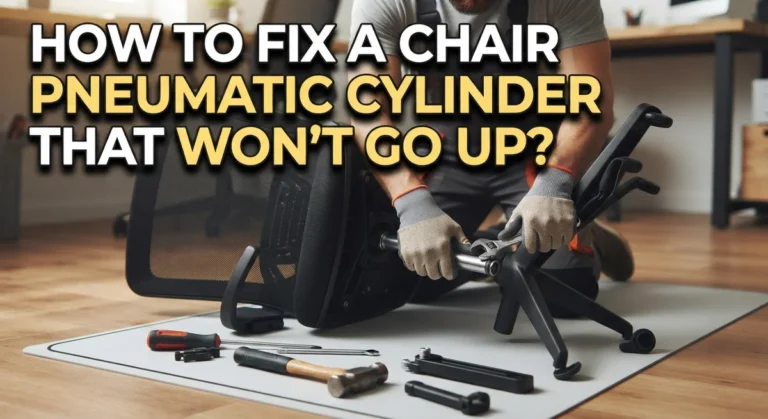
If you want the best chance of recycling some of the chair, disassembly helps a lot. Chair maker guides often show a similar order. Remove the casters first. Separate the base. Remove the gas lift cylinder. Then separate the seat, back, and mechanism. After that, pull off foam, fabric, mesh, or plastic covers where possible.
You do not need a full workshop for basic disassembly. Many chairs need only a screwdriver, Allen key, pliers, and a rubber mallet or hammer. Work on a clear floor. Wear gloves and eye protection. Keep bolts in a container so you do not lose them or step on them.
The goal is simple. Sort parts by material. Place metal parts in one group. Put clean plastic pieces in another group if your local recycler accepts that plastic type. Set aside foam, fabric, glued wood, or mixed pieces that likely need disposal. Metal usually gives you the best recycling result.
Pros of disassembly are better material recovery, smaller pieces for transport, and a clearer view of what is reusable. Cons are time, effort, and the need to handle parts safely. Some chairs come apart easily. Others fight back.
If you enjoy practical work, this step can be satisfying. If you do not, do only what feels safe and worthwhile. Even partial disassembly, such as removing the metal base and mechanism, can make a real difference in how much of the chair avoids landfill.
Handle the Gas Lift Cylinder Safely
The gas lift cylinder deserves its own section because it is the part people most often worry about. Many office chairs use a pressurized cylinder to adjust seat height. This part is strong, heavy, and usually metal. It can often be accepted with scrap metal, but it must be handled with care.
Do not cut, drill, crush, heat, or burn the cylinder. Do not try to force it open. That can create a safety risk. If you are removing it during disassembly, follow a careful method. Many chair guides suggest separating the base from the cylinder and then separating the cylinder from the chair mechanism with controlled tapping and steady support.
If the cylinder will not come loose, stop before you damage it. A whole broken chair with the cylinder still attached may be better handled by a bulky waste service or a professional recycler. Safe handling matters more than squeezing out one extra recyclable part.
Pros of removing the cylinder are better sorting and easier access to metal recovery. Cons include the risk of injury if you use the wrong method or too much force. If you are unsure, ask a local scrap yard or waste site how they want it delivered.
Think of the cylinder as a part that needs respect, not fear. Most problems come from unsafe attempts to open or destroy it. If you remove it carefully and keep it intact, you stay on the safe side and make it easier for the next handler to process.
Recycle the Metal and Reuse the Best Parts
Once the chair is apart, sort the strong reusable and recyclable parts with care. Metal parts often include the base frame, seat mechanism, brackets, bolts, and sometimes the cylinder. Scrap yards and many recycling centers accept metal because it has steady value and is easy to process compared with mixed foam and fabric.
Clean the metal if it is covered in heavy dirt or attached fabric. Remove obvious plastic where you can. Bring the parts in a box or bag that is easy to unload. Ask your local site whether they want aluminum and steel separated. Some places sort it for you. Others prefer that you do the first level of sorting.
Now think reuse too. Casters can work on a rolling cart or tool stool. Arm pads may help with repair projects. A solid seat plate can become part of a workshop stand. If the chair back is still in good shape, it may help someone fixing a similar chair. Responsible recycling often starts with smart salvaging.
Pros of this step are high material recovery and a clear win for metal recycling. Cons are limited markets for some parts and the need to store pieces until you can drop them off. Small reusable parts also take patience to match with a new use.
Still, this is often the point where you recover the most value from a broken chair. Focus on the strongest parts first. If you save the metal and a few useful pieces, you have already done far more than simply putting the whole chair on the curb.
Repurpose Parts if Full Recycling Is Not Available
Sometimes full recycling is not realistic. That does not mean the chair is useless. Office chairs have strong parts that can live a second life in the garage, craft room, or storage area. The wheeled base can support a small rolling stand. Casters can go on bins, carts, or shop stools. The seat cushion can become a kneeling pad for chores.
Look at each piece with a simple question. Is this strong, smooth, or mobile enough to help in another job? The backrest frame may support a plant stand. Armrests may work as padding on a bench. Fabric from a small panel might help with patch work or shop protection. Keep ideas practical and low effort.
Set limits so repurposing stays useful. If you do not have a clear plan within a week or two, recycle or discard the part. Too many saved parts become clutter fast. Good repurposing solves a problem. It does not create a new pile.
Pros of repurposing are low cost, reduced waste, and creative use of durable parts. Cons are storage needs and the risk of holding onto items with no real purpose. Some parts also have little value once removed.
This method works best for handy people and home workshop spaces. If that is you, great. If it is not, keep it simple. Save only the parts you know you will use. Responsible action can be creative, but it should still stay clear, honest, and manageable.
Dispose of Non Recyclable Parts the Right Way
Some chair parts will likely remain after reuse and metal recovery. Foam padding, torn mesh, stained fabric, glued wood panels, bonded plastic, and mixed material arm pads are often hard to recycle. This is common. Do not feel stuck or guilty when you reach this stage.
The right move is safe disposal. Bag loose foam or fabric so it does not scatter. Wrap sharp broken plastic before placing it in trash. Keep small screws and metal bits contained. If your city has a transfer station or special furniture drop off point, ask whether they want these leftovers handled in a certain way.
Avoid putting mixed chair parts into curbside recycling just because they look plastic or metal. That creates contamination. A plastic arm cap with foam glued inside is not the same as a clean bottle or tub. Honest sorting is better than hopeful guessing.
Pros of proper disposal are safety and cleaner recycling streams. Cons are obvious. Some material still ends up as waste. Yet a responsible result does not mean zero trash. It means you reduced waste as much as your local system allows and handled the rest safely.
This final sorting step closes the loop. You reused what still had life. You recycled the best material. You disposed of the remainder in a clean and safe way. That is what responsible action looks like in real life. It is practical, balanced, and far better than one careless dump.
Common Mistakes to Avoid Before You Put the Chair Out
Many office chair disposal problems come from a few common mistakes. The first is placing the whole chair in curbside recycling. That almost never works well. The second is donating a chair that is dirty, unsafe, or badly damaged. The third is forcing the gas cylinder open or using unsafe tools to break parts apart.
Another mistake is waiting too long. A chair may sit in a garage for months because you plan to repair, sell, or repurpose it someday. If you have no real plan, set a deadline. Try donation or giveaway first. If that fails, move to disassembly or bulky pickup. A simple timeline keeps the job from dragging on.
People also forget to check local rules. One recycling center may accept scrap metal chair parts, while another may refuse mixed furniture components. One charity may love office chairs, while another may say no. A five minute call saves a wasted drive.
Here is a quick final checklist. Clean the chair. Test safety. Try reuse first. Ask local programs what they accept. Remove metal if practical. Handle the cylinder carefully. Dispose of leftovers honestly. That is the whole system in plain language.
If you follow that order, you avoid the biggest errors and get the best result with the least stress. Responsible disposal is rarely about one perfect trick. It is about making a few good choices in the right order and finishing the job with care.
Frequently Asked Questions
Can I put an office chair in my recycling bin?
In most cases, no. A full office chair is too large and too mixed in material for normal curbside recycling. Most home recycling programs are built for containers, paper, and cardboard. A chair can jam equipment or contaminate the stream. If you want to recycle part of it, remove the metal and ask a local drop off site what they accept.
Who takes old office chairs in good condition?
Local charities, furniture banks, reuse stores, schools, community groups, and online giveaway pages may take them. Some reuse stores accept gently used furniture and some offer pickup for larger items. Always call first because rules change by location and by chair condition.
Is the gas lift cylinder dangerous?
It can be unsafe if you cut, drill, heat, or crush it. If you remove it, keep it intact and use a careful method. If you are unsure, leave it attached and ask a bulky item service, scrap yard, or waste site for guidance. Safety should always come first.
What parts of an office chair are most likely to be recyclable?
Metal parts usually offer the best chance. That may include the frame, base hardware, mechanism, bolts, and sometimes the cylinder. Plastic, foam, mesh, fabric, and glued wood are much harder to recycle. Local acceptance rules matter, so ask before you load the car.
What is the most responsible option overall?
Reuse is usually the best first choice if the chair is safe and clean. Donation, resale, or local giveaway keeps the full chair in use and prevents waste. If the chair is broken, remove recyclable metal if practical, then use local bulky waste or disposal services for what remains.

Hi, I’m Clara! I started SitSmartGuide to help people find chairs that truly support their comfort and health — without the guesswork. After years of dealing with back pain from bad seating, I became obsessed with testing, researching, and reviewing chairs so you don’t have to learn the hard way.