How To Stop Office Chair Wheels From Ruining Hardwood Floors?
You just noticed them. Those ugly scratches, scuff marks, and worn patches on your beautiful hardwood floors. The culprit? Your office chair.
Every time you roll, push back, or shift your weight, those hard plastic casters grind into the wood surface. The damage adds up fast, and refinishing hardwood floors can cost $3 to $8 per square foot or more.
The good news is you do not have to choose between a functional workspace and pristine floors. Some fixes take less than five minutes. Others require a small budget but deliver years of protection.
This guide covers 12 practical methods to stop office chair wheels from scratching, denting, and wearing down your hardwood floors.
Key Takeaways
- Soft polyurethane rollerblade style casters are one of the most popular and effective upgrades. They replace standard hard plastic wheels in minutes and distribute weight more evenly across your floor. Most standard office chairs accept universal stem sizes, so swapping is straightforward.
- Chair mats still work, but not all mats are equal. Glass mats last the longest and look the best on hardwood, while polycarbonate mats offer a budget option. Avoid mats with spiked or studded backing, because these are made for carpet and will gouge wood surfaces.
- Regular cleaning under your chair prevents tiny debris from acting like sandpaper under your wheels. Dirt, dust, and small particles cause more scratches than most people realize. A quick sweep or vacuum of your rolling area every few days makes a big difference.
- Area rugs and low pile carpets provide an attractive layer of protection that also adds warmth and style to your workspace. Choose a rug with a non slip backing so it stays in place while you roll.
- Stationary chairs without wheels eliminate the problem entirely. Modern designs now offer ergonomic support, swivel capability, and adjustable height without any casters at all. This is the most reliable long term floor protection strategy.
- Existing scratches can be repaired with wood filler, touch up markers, or light sanding and refinishing. Catching damage early prevents deeper issues that require professional restoration.
Why Do Office Chair Wheels Damage Hardwood Floors
Standard office chairs come with hard plastic or nylon casters. These materials are designed for commercial carpet, not wood surfaces. The narrow contact area of each caster concentrates your entire body weight plus the chair’s weight into a very small space. This creates enormous pressure per square inch on the wood.
Hardwood floors have a protective finish layer, usually polyurethane, that shields the raw wood underneath. Hard casters grind through this finish over time. Once the finish wears away, the bare wood becomes exposed to moisture, stains, and deeper scratching.
Another major factor is debris. Small particles of dust, grit, sand, and food crumbs get caught under the wheels. As you roll, these particles act like abrasives and carve scratches into the floor surface. This happens even with soft wheels if you skip regular cleaning.
The rolling motion itself creates friction and heat. Over months of daily use, this friction wears down even the toughest floor finishes. Repeated back and forth movement in the same area causes concentrated wear patterns that become visible as dull, scratched zones.
Chair weight also matters. Heavier office chairs with metal frames apply more downward force. Combine that with a seated person weighing 150 to 250 pounds, and you have significant pressure on a small set of wheels.
Replace Hard Casters With Soft Rollerblade Style Wheels
This is the single most popular fix recommended by flooring experts and home office users. Rollerblade style casters use soft polyurethane coating over a larger wheel diameter. The softer material does not dig into wood, and the bigger wheel surface spreads your weight across a wider contact area.
Most office chairs use a standard 7/16 inch or 10mm stem size. You can pull out the old casters by hand or with a flat tool. The new wheels push directly into the same socket. The entire swap takes about five minutes with no tools required.
Users on multiple forums report that after switching to polyurethane casters, they see zero new scratches even after months of daily use. The softer material also rolls more quietly and smoothly compared to hard plastic.
Pros: Very affordable, usually under $30 for a full set of five. Easy to install with no tools. Work on all hard floor types including hardwood, laminate, tile, and vinyl. Roll smoothly and quietly. Available for most standard office chairs.
Cons: They still pick up debris that can scratch floors over time. Some users report minor marks on very soft wood species like pine. They do not eliminate the need for regular floor cleaning. Quality varies between brands, so look for thick polyurethane coating.
Rollerblade wheels work best when combined with regular sweeping or vacuuming of your desk area. This removes the grit and dust that even soft wheels can press into the floor.
Use A Chair Mat Designed For Hard Floors
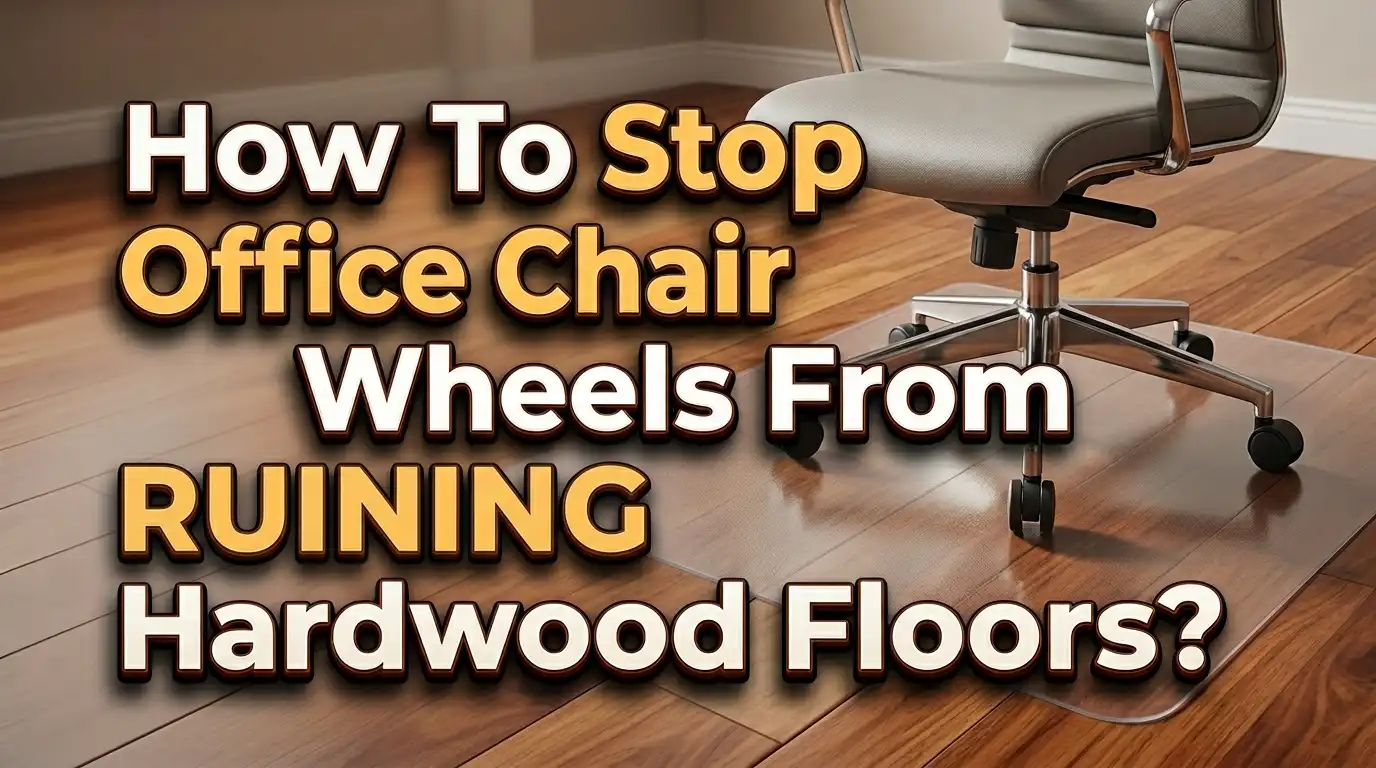
Chair mats create a physical barrier between your casters and the floor. For hardwood floors, you must choose a mat specifically designed for hard surfaces. These mats have smooth, flat backs that rest gently on wood. Never use a carpet chair mat with textured or spiked backing on hardwood, because the spikes will scratch and dent the wood.
Polycarbonate mats are the most common budget option. They are clear, reasonably durable, and allow your floor’s beauty to show through. However, they can crack under heavy use and may develop dents over time from repeated caster pressure.
Tempered glass mats are a premium option. They are extremely durable, scratch resistant, and virtually unbreakable under normal use. Glass mats can support weights of 1,000 pounds or more. They do not yellow, crack, or curl at the edges like plastic mats often do after a year or two.
Pros of polycarbonate mats: Affordable, usually $30 to $60. Lightweight and easy to move. Transparent. Available in many sizes.
Cons of polycarbonate mats: Crack and dent over time. May curl at edges. Need replacement every one to three years. Can look worn quickly.
Pros of glass mats: Extremely durable. Last for decades. Look elegant. Support heavy loads. Easy to clean.
Cons of glass mats: Expensive, ranging from $200 to $800. Heavy, making them hard to reposition. Can feel cold underfoot. Limited size options compared to plastic mats.
Place An Area Rug Under Your Desk
An area rug is a practical and attractive solution that many people overlook. A low pile or flatweave rug placed under your desk creates a soft buffer between chair wheels and the floor. It absorbs impact, catches debris, and adds visual warmth to your workspace.
Choose a rug that is large enough to cover your full rolling range. Most people need at least a 5×7 foot rug to move freely without rolling off the edge. A rug that is too small will bunch up and become annoying during daily use.
Low pile rugs work best because office chair wheels roll smoothly on them. High pile or shaggy rugs create resistance and make rolling difficult. Flatweave styles, sisal rugs, and short loop rugs are all good options.
Make sure the rug has a non slip backing or use a separate rug pad underneath. Without grip, the rug will slide across the hardwood every time you push back in your chair. This sliding motion can actually cause more scratching than bare casters.
Pros: Adds warmth and style to your workspace. Protects floors from scratches, dents, and debris. Easy to replace or wash. Available in many colors, patterns, and sizes. More visually appealing than a plastic mat.
Cons: Wheels may get tangled in loose fibers over time. Thick rugs make rolling harder. Rugs can trap moisture underneath, which may damage hardwood if left unventilated. Needs regular vacuuming to stay clean and functional.
Some people combine a rug with rollerblade casters for maximum protection. This layered approach gives your floors the best defense possible.
Try A Stationary Chair Without Wheels
If you want to eliminate the problem at its source, switch to an office chair that has no wheels. Modern stationary desk chairs now offer adjustable height, swivel bases, lumbar support, and ergonomic design without any casters.
Many people assume that a chair without wheels will feel restrictive. In reality, most desk work involves sitting in one position for extended periods. You can still swivel and adjust your seat. The only thing you lose is the ability to scoot across the room without standing up.
Stationary chairs use glides, felt pads, or rubber feet instead of casters. These materials distribute weight evenly and create minimal friction with the floor surface. Some models include built in floor protectors that prevent any contact damage.
Pros: Completely eliminates rolling damage. No need for mats, rugs, or caster replacements. Many ergonomic options available. Stays in place on sloped or uneven floors. Ideal for small workspaces.
Cons: You cannot roll to reach nearby items or adjust your position quickly. Some people find the lack of mobility frustrating. Selection may be smaller than wheeled office chairs. Higher end ergonomic models without wheels can be expensive.
This solution works best for people who have everything they need within arm’s reach. Organize your desk so that your keyboard, mouse, phone, and supplies are all accessible without scooting.
Apply Furniture Felt Pads To Chair Legs Or Bases
If you use a chair with legs rather than a wheeled base, felt pads are an inexpensive and effective way to prevent scratches. These pads stick to the bottom of chair legs and create a soft barrier between the furniture and the floor.
Felt pads come in different shapes and sizes. Self adhesive round pads are the most common and easiest to apply. You peel off the backing and press the pad onto the bottom of each leg. The process takes less than a minute per chair.
For chairs that move frequently, consider screw on felt pads. These attach with a small nail or screw and stay in place much longer than adhesive versions. Adhesive pads tend to fall off after a few weeks of heavy use, especially on smooth metal or plastic legs.
Pros: Extremely affordable, often less than $5 for a pack. Easy to apply. Available in many sizes. Work on all types of furniture, not just chairs. Reduce noise from sliding furniture.
Cons: Only work on chairs with legs, not wheeled chairs. Adhesive pads fall off over time and need frequent replacement. They collect dust and debris which can scratch floors if not replaced regularly. Screw on versions require a small pilot hole.
Check your felt pads every month and replace them as soon as they look worn or dirty. A worn pad with embedded grit can cause more damage than no pad at all.
Keep Your Floors Clean To Prevent Scratches
This solution costs nothing and makes every other method work better. Dirt, sand, dust, and small debris are the hidden enemies of hardwood floors. When these particles get trapped under chair wheels, they grind into the wood with every movement.
Sweep or vacuum the area around your desk at least two to three times per week. Pay special attention to the zone where your chair rolls most. If you wear shoes at your desk, increase cleaning frequency because shoes track in outdoor grit.
A microfiber dust mop is the fastest tool for daily cleaning under a desk. It picks up fine particles that brooms miss. Avoid using excess water on hardwood, as moisture can cause warping and finish damage over time.
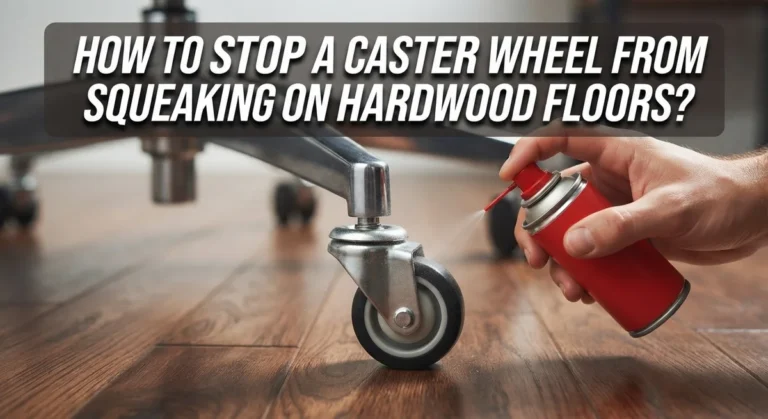
Also clean your chair wheels regularly. Pull out each caster and remove any hair, string, or debris wrapped around the axle. Built up material on the wheel surface creates an uneven rolling pattern that concentrates pressure and causes scratching.
Pros: Free. Improves the effectiveness of every other protection method. Extends the life of your floor finish. Takes only a few minutes per session.
Cons: Requires consistent effort and routine. Easy to forget or skip. Does not prevent damage on its own if you have hard casters. Does not reverse existing scratches.
Make it a habit to do a quick sweep every time you start your workday. This small routine saves you hundreds of dollars in floor repair costs over time.
Apply A Fresh Coat Of Polyurethane To Worn Areas
If your floor finish is already showing wear from chair use, a fresh coat of polyurethane can restore the protective layer without a full refinishing job. This is a practical DIY solution for moderate wear in a localized area.
Start by cleaning the worn area thoroughly. Lightly sand the surface with 150 to 220 grit sandpaper to create a smooth base for the new finish. Wipe away all dust with a tack cloth. Then apply a thin, even coat of polyurethane using a brush or foam applicator.
Water based polyurethane dries faster and produces less odor than oil based versions. It also dries clear, so it will not change the color of your floor. Oil based polyurethane is more durable but takes longer to cure and may yellow slightly over time.
Allow the first coat to dry completely, then lightly sand again with fine grit sandpaper. Apply a second coat for better protection. Most areas need two to three coats for adequate coverage.
Pros: Restores floor protection without full refinishing. Affordable for small areas. Can be done as a DIY project. Extends the life of your hardwood for years.
Cons: Requires proper ventilation during application. The patched area may look slightly different from surrounding floor. Multiple coats and drying time mean the area is unusable for 24 to 48 hours. Not ideal for large or heavily damaged areas.
This method works best as a preventive measure after you have already installed floor protection. Apply a fresh coat every one to two years in high traffic zones.
Use Caster Cups Or Wheel Stoppers
Caster cups are small, concave discs that sit under each wheel of your office chair. They hold the wheels in place and prevent direct contact between the caster and the floor. This works well if you do not need to roll around frequently.
Each cup cradles one wheel. For a standard five wheel office chair, you need five cups. They come in rubber, silicone, and hard plastic. Rubber and silicone versions are best for hardwood because they grip the floor without scratching.
Caster cups also prevent your chair from drifting on smooth floors. If your desk area has a slight slope, the cups hold your chair steady without needing to lock any wheels.
Pros: Very affordable, usually under $15 for a set. Easy to place with no installation. Protect floors from both scratches and dents. Prevent unwanted chair movement. Work on any office chair with standard casters.
Cons: Eliminate your ability to roll freely. Must be repositioned if you move the chair. Can be a tripping hazard if placed in walkways. Some cups slide on very smooth finishes.
These are a great short term solution while you decide on a more permanent fix. They also work well in conference rooms where chairs stay in one position during meetings.
Consider A Bamboo Chair Mat
Bamboo mats offer a natural alternative to plastic and glass chair mats. They are durable, eco friendly, and visually attractive on hardwood floors. Bamboo mats provide a hard, smooth surface for easy rolling while protecting the wood underneath.
These mats come in various sizes and finishes. Some have a natural light color, while others are stained to match darker wood floors. The surface is hard enough for smooth caster movement but gentle enough to avoid damaging the floor beneath.
Bamboo mats are typically backed with felt or foam to prevent sliding and add a layer of cushion between the mat and the floor. This backing also prevents the mat itself from scratching the hardwood.
Pros: Natural and eco friendly material. Attractive appearance that complements wood floors. Durable with proper care. Provides a smooth rolling surface. Available in multiple finishes and sizes.
Cons: Can crack or split in very dry climates. More expensive than polycarbonate mats, usually $50 to $150. Heavier than plastic mats. May need conditioning with oil to prevent drying out. Not as durable as glass under extreme daily use.
Bamboo works best in rooms with stable humidity levels. If your home gets very dry in winter, consider using a humidifier to prevent the mat from cracking.
Reduce Chair Weight And Movement
Sometimes the simplest changes have the biggest impact. Reducing how much you roll and how much total weight your chair carries directly decreases the wear on your floors.
Position your desk supplies, files, and equipment within arm’s reach. This eliminates the need to roll across the floor multiple times per day. A well organized desk means fewer rolling trips and less floor contact.
Consider a lighter office chair if your current one is particularly heavy. Some executive chairs with metal frames weigh 40 to 60 pounds. A lighter mesh chair might weigh only 20 to 30 pounds. That is a significant reduction in total force on your floor.
Use your feet to pivot and swivel rather than rolling long distances. Small rotational movements cause much less damage than straight line rolling across the floor.
Pros: Free to implement. Reduces wear on all floor types. Encourages better desk organization. Complements every other protection method.
Cons: Requires changing habits, which can be difficult. Does not eliminate damage entirely. Limited benefit if you only have one type of chair available. May reduce convenience in a large workspace.
This approach works best as part of a combined strategy. Pair reduced movement with soft casters or a chair mat for comprehensive protection.
Repair Existing Scratches On Your Hardwood Floor
If damage has already occurred, do not panic. Many scratches can be repaired at home without professional help. The fix depends on how deep the scratches are and whether they have penetrated the finish layer or the wood itself.
For light surface scratches that only affect the finish, use a hardwood floor touch up marker or crayon that matches your floor color. Apply the marker directly into the scratch, then buff with a soft cloth. The color fills the scratch and makes it nearly invisible.
For medium scratches that go through the finish but do not reach deep into the wood, apply a small amount of wood filler. Sand the area lightly once it dries, then apply a matching stain and finish coat.
Deep scratches and gouges require more work. Sand the damaged area with fine grit sandpaper. Apply wood filler if needed. Stain to match the surrounding floor. Finish with two coats of polyurethane. For severe damage across a large area, consider hiring a professional floor refinisher.
Pros of DIY repair: Affordable. Can be done in a few hours. Touch up products are widely available. Saves money compared to professional refinishing.
Cons of DIY repair: Color matching can be tricky. Patched areas may look slightly different from the rest of the floor. Deep gouges are difficult to fix perfectly. Improper sanding can make damage worse.
Always test any stain or filler in an inconspicuous area first to make sure the color matches before applying it to a visible spot.
How To Choose The Right Solution For Your Floor
Every hardwood floor is different. The best protection method depends on your specific wood species, finish type, chair usage, and budget. Here is how to narrow down your choice.
Soft wood species like pine, fir, and spruce scratch more easily than hard species like oak, maple, and hickory. If you have soft wood floors, combine multiple protection methods. Use rollerblade casters plus a chair mat or rug for maximum safety.
High gloss finishes show scratches more visibly than matte or satin finishes. If your floor has a shiny finish, consider a glass mat or area rug to prevent any visible marks. Matte floors hide minor imperfections better and may only need soft casters.
Think about how many hours per day you sit at your desk. Heavy users who spend eight or more hours daily need stronger protection than someone who uses a desk chair for an hour each evening. Full time home office workers should invest in rollerblade casters combined with a quality mat.
Budget matters too. If you need an immediate low cost fix, rollerblade casters or caster cups are the most affordable options. If you want a long term investment, a tempered glass mat will last for decades.
Finally, consider aesthetics. A clear glass mat or matching bamboo mat preserves the look of your floor. A colorful area rug adds personality. Caster cups are invisible under the chair. Choose the solution that fits both your practical needs and your style.
Frequently Asked Questions
Do rollerblade style office chair wheels really protect hardwood floors?
Yes, rollerblade style wheels are made from soft polyurethane that is much gentler on hardwood than standard hard plastic casters. They distribute weight across a wider surface area and reduce the grinding pressure that causes scratches. However, they still require regular floor cleaning. Debris trapped under any wheel can scratch wood, regardless of the wheel material. Most users report significant reduction in floor damage after making the switch.
What type of chair mat is best for hardwood floors?
Tempered glass mats are the most durable and long lasting option. They resist cracking, denting, and yellowing. Polycarbonate mats are a good budget alternative but typically need replacement every one to three years. Always choose mats with smooth, flat backs for hard floors. Never use mats designed for carpet, as their spiked backing will damage your wood surface.
Can I use a regular rug instead of a chair mat?
Yes, a low pile or flatweave rug works well under an office chair. Make sure the rug is large enough to cover your entire rolling area and has a non slip backing. Avoid thick, plush, or shaggy rugs because wheels will get stuck or create too much friction. A 5×7 foot rug usually provides enough room for comfortable movement at a standard desk.
How often should I clean under my office chair to prevent floor damage?
Sweep or vacuum the area under your desk at least two to three times per week. If you wear outdoor shoes at your desk or have pets, clean more often. Also clean the chair wheels themselves monthly by removing hair, dust, and debris from the axles. Regular cleaning prevents particles from acting as abrasives under your casters.
Is it worth switching to a stationary chair without wheels?
For some people, absolutely. A stationary chair eliminates 100% of rolling damage to your floors. Modern options offer ergonomic features, height adjustment, and swivel function without casters. If you rarely need to move around your workspace, a stationary chair is the most reliable way to protect your hardwood. The tradeoff is reduced mobility, which bothers some people but is perfectly fine for others.
How do I fix scratches that my office chair has already made?
Light surface scratches can be fixed with a color matched touch up marker or wax crayon. Medium scratches may need wood filler, light sanding, and a coat of polyurethane. Deep gouges may require professional refinishing. Always test repair products in a hidden area first to check color accuracy. Act quickly on new scratches because untreated damage worsens over time as moisture and dirt enter the exposed wood.

Hi, I’m Clara! I started SitSmartGuide to help people find chairs that truly support their comfort and health — without the guesswork. After years of dealing with back pain from bad seating, I became obsessed with testing, researching, and reviewing chairs so you don’t have to learn the hard way.