
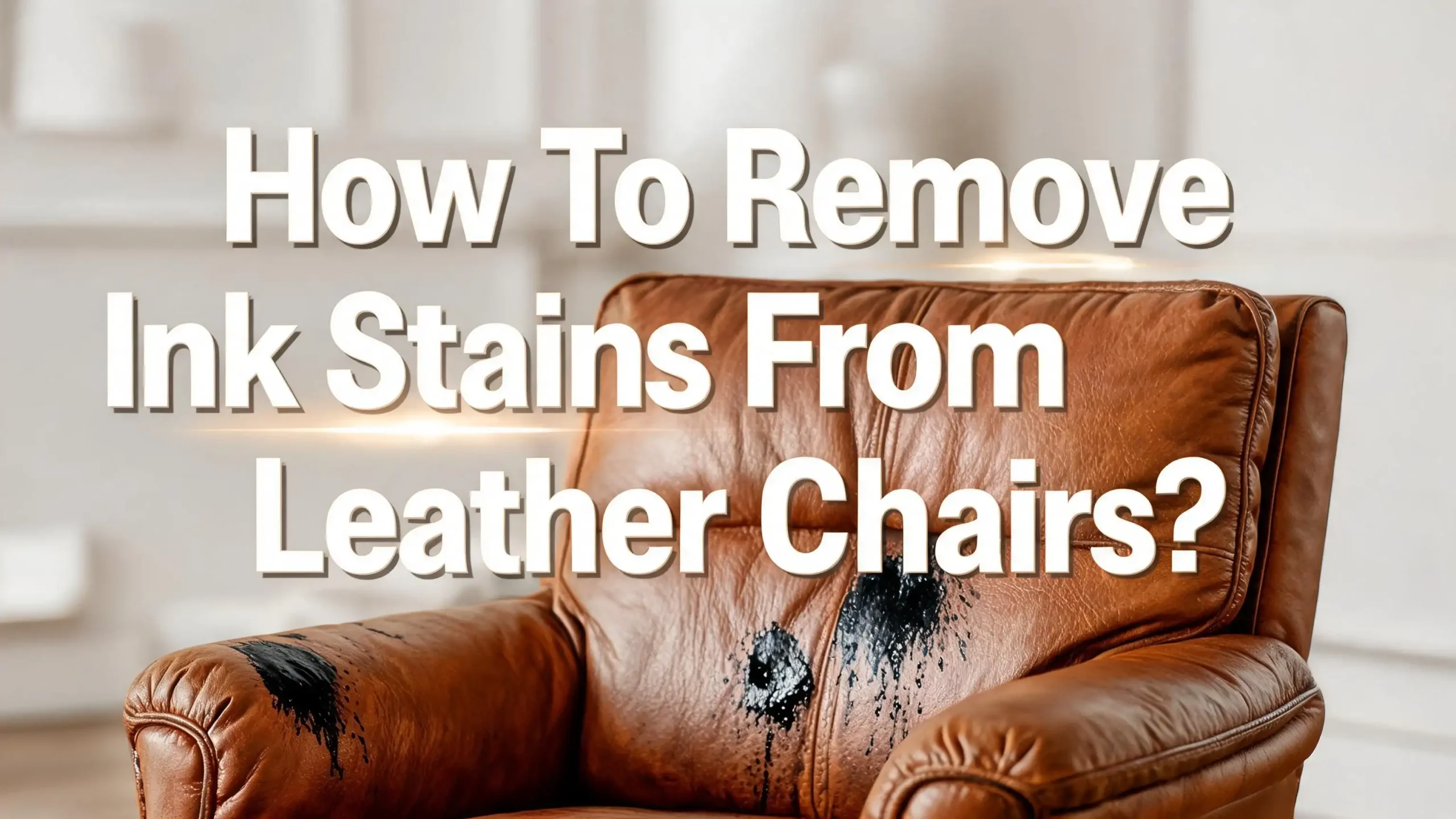
How To Remove Ink Stains From Leather Chairs?
An ink stain on your leather chair can feel like a disaster. Maybe your child got creative with a ballpoint pen. Maybe a pen leaked in your pocket while you sat down. Or perhaps you set an open marker on the armrest and forgot about it. Whatever happened, you now have an ugly ink mark on your beautiful leather furniture, and you need it gone.
Here is the good news. Ink stains on leather chairs are not permanent. You can remove them at home with common household items like rubbing alcohol, soap, vinegar, and baking soda. The key is to act fast and use the right method for your type of leather. Fresh ink stains lift off much easier than old, dried ones. The longer ink sits on leather, the deeper it absorbs into the material.
This guide walks you through multiple proven methods to remove ink from leather chairs step by step. You will learn which cleaning agents work best, how to protect your leather during the process, and what mistakes to avoid.
Key Takeaways
- Act immediately when ink gets on your leather chair. Fresh ink stains are much easier to remove than old, dried stains. Blot the wet ink with a dry paper towel before applying any cleaning solution. Do not rub the ink, as this will spread the stain and push it deeper into the leather.
- Rubbing alcohol is the most effective home remedy for removing ink from leather. Dab it on with a cotton ball or swab, let the ink transfer to the cotton, and follow up with leather conditioner. Always test in a hidden area first.
- Know your leather type before cleaning. Finished leather has a protective coating that makes ink removal easier. Unfinished or naked leather absorbs ink directly, making stains harder to remove and requiring gentler methods.
- Always condition your leather after cleaning. Rubbing alcohol, vinegar, hairspray, and other cleaning agents can dry out leather. Apply a leather conditioner after every cleaning session to restore moisture and prevent cracking.
- Start with the gentlest method first. Try soap and water before moving to rubbing alcohol or stronger solutions. This protects your leather from unnecessary damage while still giving you a good chance of removing the stain.
- Call a professional if home methods fail. Some deep or old ink stains require expert tools and techniques. A professional leather cleaner can remove stubborn stains without damaging the material.
Why Ink Stains Are Tough on Leather
Ink is a liquid dye suspended in a solvent. When it lands on leather, the solvent carries the dye into the pores of the material. Ballpoint pen ink is oil based, which makes it bond strongly with leather fibers. Gel pen ink and marker ink contain different solvents, but they all share one trait: they absorb fast.
Leather is a porous, natural material. Unlike fabric, you cannot simply toss it in the washing machine. Leather absorbs liquids quickly, and once ink settles into the fibers, it becomes part of the material. This is why speed matters so much.
Finished leather has a protective topcoat that slows down absorption. This gives you a wider window to clean the stain. Unfinished leather lacks this coating, so ink penetrates almost immediately. Understanding this difference helps you choose the right cleaning approach and set realistic expectations.
The type of ink also matters. Ballpoint pen ink responds well to alcohol based cleaners. Permanent marker ink is more stubborn and may require repeated treatments. Gel ink falls somewhere in between. Knowing what kind of ink caused the stain helps you pick the best removal method from the start.
Identify Your Leather Type Before Cleaning
Before you grab any cleaning solution, you need to figure out what type of leather your chair is made of. This step is essential because different leathers react differently to cleaning agents. Using the wrong method can cause discoloration, drying, or permanent damage.
Finished leather is the most common type used in furniture. It has a protective coating on the surface that gives it a slight sheen. This coating acts as a barrier against spills and stains. You can identify finished leather by placing a small drop of water on a hidden area. If the water beads up and sits on the surface, your leather is finished.
Unfinished or naked leather has no protective coating. It feels softer and more natural to the touch. When you place a water drop on it, the water will absorb into the leather and darken the spot. This type of leather is more vulnerable to stains and requires gentler cleaning methods.
Faux leather is made from synthetic materials like polyurethane or PVC. It is easier to clean than real leather because it does not have pores that absorb ink. A simple wipe with rubbing alcohol or soapy water usually does the job on faux leather.
Once you know your leather type, you can move forward with confidence. Finished leather can handle rubbing alcohol and most home remedies. Unfinished leather needs milder solutions like soap and water or professional cleaning products. Faux leather is the most forgiving and tolerates a wider range of cleaners.
Blot the Stain Immediately
The first thing you should do when ink lands on your leather chair is blot it right away. Do not wait. Do not go looking for a special cleaner. Grab the nearest clean, dry paper towel or cloth and press it gently against the stain.
Blotting lifts the wet ink off the surface before it has time to absorb. Press straight down and lift straight up. Do not drag the paper towel across the leather. Dragging will spread the ink and create a larger stain. Replace the paper towel as soon as it picks up ink, and continue with a fresh one.
If the ink has already dried, skip this step and move directly to one of the cleaning methods below. Blotting only works on fresh, wet ink. Trying to blot a dried stain will accomplish nothing and may scratch the leather surface.
This simple first step can remove a surprising amount of ink on its own. Many people skip it and go straight to rubbing alcohol or soap. But blotting first reduces the amount of ink you need to clean, making the next steps faster and more effective. Think of it as damage control. The less ink that remains on the surface, the easier the cleanup process becomes.
After blotting, assess the remaining stain. If the mark is very faint, soap and water may be enough. If a visible stain remains, you will need a stronger cleaning method. The sections below cover every effective option available to you.
Always Do a Spot Test First
This step is easy to skip but critical to follow. Before applying any cleaning solution to the ink stain, test it on a hidden area of your leather chair. The back panel, the underside of a cushion, or a spot behind the chair are all good testing locations.
Apply a small amount of the cleaner to the hidden spot. Wait 10 minutes and check for any changes. Look for discoloration, darkening, lightening, or texture changes. If the leather looks the same, the cleaner is safe to use on the visible stain.
Different leather dyes and finishes react differently to chemicals. A solution that works perfectly on one leather chair may damage another. Even rubbing alcohol, which is generally safe for finished leather, can lighten some colored leathers. Spot testing takes just a few minutes and can save you from turning a small ink stain into a much bigger problem.
This rule applies to every cleaning method listed in this guide. Whether you plan to use rubbing alcohol, vinegar, hairspray, or baking soda, test it first. Leather furniture is an investment. Protecting that investment with a quick spot test is always worth the effort.
If the cleaner causes visible damage during the test, do not use it. Try a different method or consult a professional leather cleaner. There is no single cleaning agent that is universally safe for every type of leather.
Remove Ink With Rubbing Alcohol
Rubbing alcohol is the most popular and effective home remedy for ink stains on leather. It works because alcohol dissolves the oils and solvents in most inks, breaking the bond between the ink and the leather surface.
Here is how to use it. Dip a cotton ball or cotton swab in rubbing alcohol. Do not soak it. You want the cotton damp, not dripping. Less is more with rubbing alcohol on leather. Too much alcohol can strip the dye from your chair or dry out the material.
Gently dab the ink stain with the damp cotton ball. Start from the outer edges of the stain and work inward. This prevents the ink from spreading to clean areas. You should see the ink transferring from the leather to the cotton. Replace the cotton ball as it picks up ink and continue with a fresh one.
After the stain is gone, wipe the area with a clean, damp cloth to remove any remaining alcohol. Then dry the spot with a dry cloth. Follow up immediately with a leather conditioner. Rubbing alcohol is very drying and can leave leather brittle and cracked if you do not restore moisture.
For stubborn stains, you may need to repeat this process two or three times. Allow the leather to dry between applications. Patience produces better results than aggressive scrubbing. Never rub hard or use excessive amounts of alcohol, as this can damage the leather’s finish and cause irreversible color loss.
Use Soap and Water for Light Stains
Sometimes the simplest solution works best. Soap and water is the gentlest method for removing ink from leather chairs, and it works well on fresh, light stains. This method carries the lowest risk of damaging your leather.
Mix a few drops of mild, clear dish soap or saddle soap into a bowl of warm water. Stir until you see some suds form. Dip a soft cloth into the soapy water and wring it out so it is damp but not soaking wet. Excess water can damage leather just as much as harsh chemicals.
Gently rub the ink stain with the damp cloth. Use circular motions and light pressure. Start at the edges of the stain and work toward the center. Rinse the cloth frequently to avoid reapplying ink to the leather. If the cloth gets too saturated with ink, switch to a clean one.
After the stain lifts, wipe the area with a cloth dampened with plain water to remove soap residue. Dry the spot with a clean towel and apply leather conditioner. Soap can strip natural oils from leather, so conditioning after cleaning is important.
This method may not remove deep or old ink stains. If soap and water does not produce visible results after a few attempts, move on to rubbing alcohol or another stronger method. But always start here first, as it protects your leather from unnecessary exposure to harsher chemicals.
Try White Vinegar for a Natural Approach
White vinegar is a mild acid that can break down ink stains on leather. It is a natural cleaning option that many people prefer over chemical solutions. Vinegar works best on fresh stains and finished leather.
Do not use vinegar at full strength on leather. Mix equal parts white vinegar and water in a small bowl. This diluted solution is strong enough to dissolve ink but gentle enough to protect the leather surface. Full strength vinegar can be too acidic and may damage delicate leather finishes.
Dip a clean, soft cloth into the vinegar solution. Gently blot the ink stain, pressing down and lifting up rather than rubbing side to side. You should see the ink start to transfer to the cloth. Continue blotting with clean sections of the cloth until the stain disappears.
After removing the stain, you will want to eliminate the vinegar smell. Mix one drop of mild dish soap with warm water and wipe the cleaned area with this solution. Then dry the leather with a clean towel. Finish by applying leather conditioner to restore moisture.
Vinegar may require multiple applications for stubborn stains. Be patient and let the leather dry between attempts. If the stain does not respond after three or four applications, try a different method. Vinegar is gentle, which means it may not be strong enough for deep or old ink marks.
Apply Baking Soda Paste for Stubborn Marks
Baking soda is a mild abrasive that can lift ink stains without scratching leather. It works especially well on stubborn marks that resist liquid cleaners. The gentle scrubbing action of baking soda helps break the bond between ink and the leather surface.
Create a paste by mixing baking soda with a small amount of water. You want a thick, spreadable consistency, similar to toothpaste. Apply the paste directly to the ink stain using a soft cloth or your fingertip. Do not use a brush or rough sponge, as these can scratch the leather.
Gently rub the paste over the stain using small circular motions. Let the paste sit on the stain for two to three minutes. The baking soda will absorb some of the ink during this time. Then wipe the paste away with a clean, damp cloth.
Check the stain. If ink remains, repeat the process. You may need three or four applications for deeper stains. Always wipe all the paste away between applications so you can accurately see the remaining stain.
After the stain is gone, clean the area with a damp cloth to remove all baking soda residue. Dry the leather and apply conditioner. Baking soda is a deodorizer, so this method also helps if the ink left any chemical smell on your chair. This approach works well as a second attempt after soap and water fails but before you move to rubbing alcohol.
Use Hairspray as a Quick Fix
Hairspray was once a go to ink remover, and it still works if you choose the right formula. The secret ingredient is alcohol. Alcohol based hairsprays dissolve ink the same way rubbing alcohol does. However, many modern hairsprays have reduced their alcohol content, so check the label before using this method.
Hold the hairspray can very close to the ink stain. Point the nozzle directly at the mark. This limits the spray area and protects the surrounding leather from unnecessary exposure. Spray a small amount directly onto the stain.
Let the hairspray sit on the stain for three to five minutes. The alcohol in the spray needs time to dissolve the ink. Then use a clean, damp cloth to blot the area. You should see ink lifting onto the cloth. Wipe the area with a cloth dampened with plain water to remove hairspray residue.
Be aware that hairspray contains additional chemicals like polymers and fragrances that can leave a sticky residue on leather. After removing the stain, clean the area thoroughly with a mild soap and water solution. Dry the leather and apply conditioner.
This method works best as a quick fix when you do not have rubbing alcohol available. Rubbing alcohol is a cleaner option with fewer extra chemicals. But if hairspray is all you have, it can do the job in a pinch. Avoid using this method on unfinished leather, as the extra chemicals in hairspray can stain or damage uncoated surfaces.
Consider Hand Sanitizer for Small Stains
Hand sanitizer contains alcohol, which makes it another option for removing ink from leather chairs. It works best on small, fresh stains where you need a quick and targeted application. The gel formula gives you more control than liquid alcohol.
Apply a small amount of hand sanitizer to a cotton swab or soft cloth. Dab it directly onto the ink stain. Use gentle pressure and avoid spreading the gel beyond the stained area. The alcohol in the sanitizer will begin dissolving the ink on contact.
Blot the area with a clean cloth to lift the dissolved ink. Repeat as needed until the stain disappears. Switch to a fresh cotton swab each time to avoid reapplying ink to the leather.
After the stain is gone, wipe the area with a clean, damp cloth. Let the leather air dry completely. Do not use a hair dryer or any heat source, as heat can damage leather and set any remaining stain. Finish by applying leather conditioner to restore the moisture that the alcohol removed.
Hand sanitizer has some drawbacks. The added moisturizers, fragrances, and thickening agents in many sanitizers can leave residue on leather. Choose a plain, unscented formula if possible. This method also works well for ink stains on leather car seats and leather bags. Keep it as a backup option when rubbing alcohol or soap and water are not available.
Condition Your Leather After Every Cleaning
This step is just as important as removing the stain itself. Most ink removal methods use cleaning agents that strip moisture from leather. Rubbing alcohol, vinegar, hairspray, and even soap can leave leather dry, stiff, and prone to cracking. Conditioning restores the natural oils and keeps the leather soft and flexible.
Apply a quality leather conditioner to the entire cleaned area. Use a soft cloth to spread the conditioner in gentle, circular motions. Do not apply conditioner only to the spot you cleaned. Treating a small area can create a visible difference in color or sheen compared to the surrounding leather. Instead, condition the entire panel or cushion for a uniform appearance.
Let the conditioner absorb into the leather for at least 15 to 20 minutes. Then buff the surface gently with a dry cloth to remove any excess. Your leather should feel soft and look refreshed. If the leather still feels dry, apply a second coat.
Make conditioning a regular habit, not just a post cleaning step. Leather that is well conditioned resists stains better than dry leather. The conditioner fills the pores and creates a light barrier that slows ink absorption. This gives you more time to react if a stain happens again.
Regular conditioning also extends the life of your leather chair. It prevents cracking, fading, and stiffness. Aim to condition your leather furniture every three to six months, depending on how much use it gets and how dry your climate is.
How to Handle Old and Dried Ink Stains
Old ink stains are harder to remove but not impossible. Once ink dries and sets into leather, it bonds more firmly with the fibers. You will need stronger methods and more patience. Do not expect the stain to disappear on the first attempt.
Start with rubbing alcohol, as it is the strongest common household remedy. Apply it with a cotton swab and dab the stain repeatedly. The ink may lift slowly, and you might need 10 or more applications. Let the leather dry between each attempt. Check your progress after every few rounds.
If rubbing alcohol alone does not work, try combining methods. Apply baking soda paste first, let it sit for five minutes, wipe it off, and then follow with rubbing alcohol. The baking soda loosens the ink, and the alcohol dissolves it. This combination approach works on many stains that resist a single method.
For very old stains that have been on the leather for weeks or months, home remedies may not be enough. The ink may have penetrated too deep into the leather fibers for surface cleaning to reach. In these cases, a professional leather cleaning service is your best option. Professionals use specialized tools and solutions that can reach deeper into the material.
Do not resort to harsh chemicals like acetone or bleach. These will remove the ink, but they will also destroy the leather finish, strip the dye, and cause irreversible damage. The goal is to remove the ink without harming the chair. If home methods fail, a professional can do the job safely.
When to Call a Professional Leather Cleaner
Sometimes the best decision is to let an expert handle the problem. Call a professional leather cleaner if the stain is large, old, or on expensive furniture. Professional cleaners have access to tools and products that are not available for home use. They can remove deep stains while preserving the leather’s color and texture.
You should also call a professional if your chair is made of unfinished leather. Unfinished leather is very sensitive to chemicals, and a wrong move can cause permanent damage. Professionals know how to treat different leather types and can choose the safest cleaning approach for your specific chair.
Another sign that you need professional help is if your home cleaning attempts have changed the leather’s appearance. If the leather looks lighter, darker, rougher, or shinier in the area you cleaned, a professional can often restore the original look. They can re dye, refinish, and condition the leather to match the rest of the chair.
Look for a leather cleaning service that specializes in furniture. Ask about their experience with ink stain removal and whether they offer any guarantees. A reputable cleaner will assess the stain first and tell you honestly whether it can be fully removed. Some stains leave a shadow even after professional treatment, and a good cleaner will set realistic expectations.
The cost of professional cleaning is almost always less than the cost of replacing a leather chair. Protecting your investment with expert care is a smart financial decision when home methods are not getting the job done.
Tips to Prevent Future Ink Stains
Prevention is always easier than cleaning. A few simple habits can protect your leather chairs from ink stains and save you from future stress. These tips are easy to follow and require very little effort.
Keep pens away from leather furniture. Store them in drawers, cups, or containers instead of leaving them on chairs or cushions. If you work from your leather chair, use a desk or lap tray to keep pens at a safe distance. Teach children to use pens and markers only at tables, away from leather surfaces.
Apply a leather protector to your chairs. Leather protectors create a thin barrier on the surface that repels liquids and slows stain absorption. This gives you extra time to clean up accidents before they become permanent marks. Reapply the protector every few months according to the product instructions.
Keep a leather cleaning kit nearby. Stock it with cotton balls, rubbing alcohol, mild soap, soft cloths, and leather conditioner. Having these supplies within reach means you can act instantly if a stain occurs. Speed is the most important factor in successful ink removal.
Condition your leather regularly. Well conditioned leather is more resistant to stains because the conditioner fills surface pores. Dry leather absorbs ink faster and holds onto it more firmly. A conditioning routine every three to six months keeps your chairs in peak condition.
Consider slipcovers or throws for high risk areas. If your leather chair sits in a home office or play area, a washable cover on the armrests or seat can catch stains before they reach the leather. You can remove the cover when guests visit and keep the chair’s elegant look on display.
Frequently Asked Questions
Does rubbing alcohol damage leather?
Rubbing alcohol can dry out leather if used in large amounts. It is safe for most finished leathers when used sparingly and followed with leather conditioner. Always do a spot test in a hidden area first. Apply a small amount to a cotton ball and dab gently. If the leather shows no discoloration or texture change after 10 minutes, you can proceed. Never pour rubbing alcohol directly onto leather. Use a cotton swab for controlled application. After cleaning, always apply leather conditioner to restore the moisture that alcohol removes.
Can I use acetone to remove ink from a leather chair?
Acetone is not recommended for leather. It is extremely harsh and can strip leather dye, destroy the finish, and weaken the material. While acetone does dissolve ink effectively, the damage it causes to leather far outweighs the benefit. If you want to try a nail polish remover, choose an acetone free formula. Even acetone free removers should be tested in a hidden spot first. For valuable or delicate leather, skip chemical solvents entirely and consult a professional cleaner.
How long do I have to clean an ink stain before it becomes permanent?
The sooner you act, the better your chances. Fresh ink stains are easiest to remove within the first few minutes. After an hour, the ink starts bonding with the leather fibers and becomes harder to lift. Stains left for 24 hours or longer are significantly more difficult. Ink left on unfinished leather for more than a few minutes may become permanent. Finished leather gives you a slightly larger window because of its protective coating. Regardless of leather type, always blot fresh ink immediately and begin cleaning as soon as possible.
Will toothpaste remove ink from leather?
White, non gel toothpaste can help remove light ink stains from leather. Apply a small amount to the stain and gently rub it with a damp cloth. The mild abrasives in toothpaste can help lift the ink from the surface. Do not use gel toothpaste or colored toothpaste, as these contain dyes and chemicals that may stain the leather. After cleaning, wipe the area with a damp cloth to remove all toothpaste residue, and apply leather conditioner. Toothpaste works best on small, fresh stains and is less effective on old or deep ink marks.
Is it safe to use a Magic Eraser on leather chairs?
Use caution with Magic Erasers on leather. Magic Erasers are made from melamine foam, which works like very fine sandpaper. They can remove ink stains, but they can also remove the leather’s protective coating and finish. This can leave a dull, rough patch on your chair. If you choose to try it, use very light pressure and test on a hidden area first. Stop immediately if you notice any change in the leather’s appearance. Magic Erasers are better suited for hard, non porous surfaces. For leather, rubbing alcohol or soap and water are safer first choices.
Can I remove ink from faux leather the same way?
Yes, faux leather is generally easier to clean than real leather. Rubbing alcohol, soap and water, and hand sanitizer all work well on faux leather surfaces. Since faux leather does not have pores like natural leather, ink sits on the surface longer and lifts off more easily. You do not need to worry as much about conditioning afterward, although wiping with a damp cloth to remove cleaner residue is still a good practice. For stubborn marks on faux leather, rubbing alcohol on a cotton ball usually solves the problem in one or two applications.

Hi, I’m Clara! I started SitSmartGuide to help people find chairs that truly support their comfort and health — without the guesswork. After years of dealing with back pain from bad seating, I became obsessed with testing, researching, and reviewing chairs so you don’t have to learn the hard way.